 1300 855 075
 Free Quote

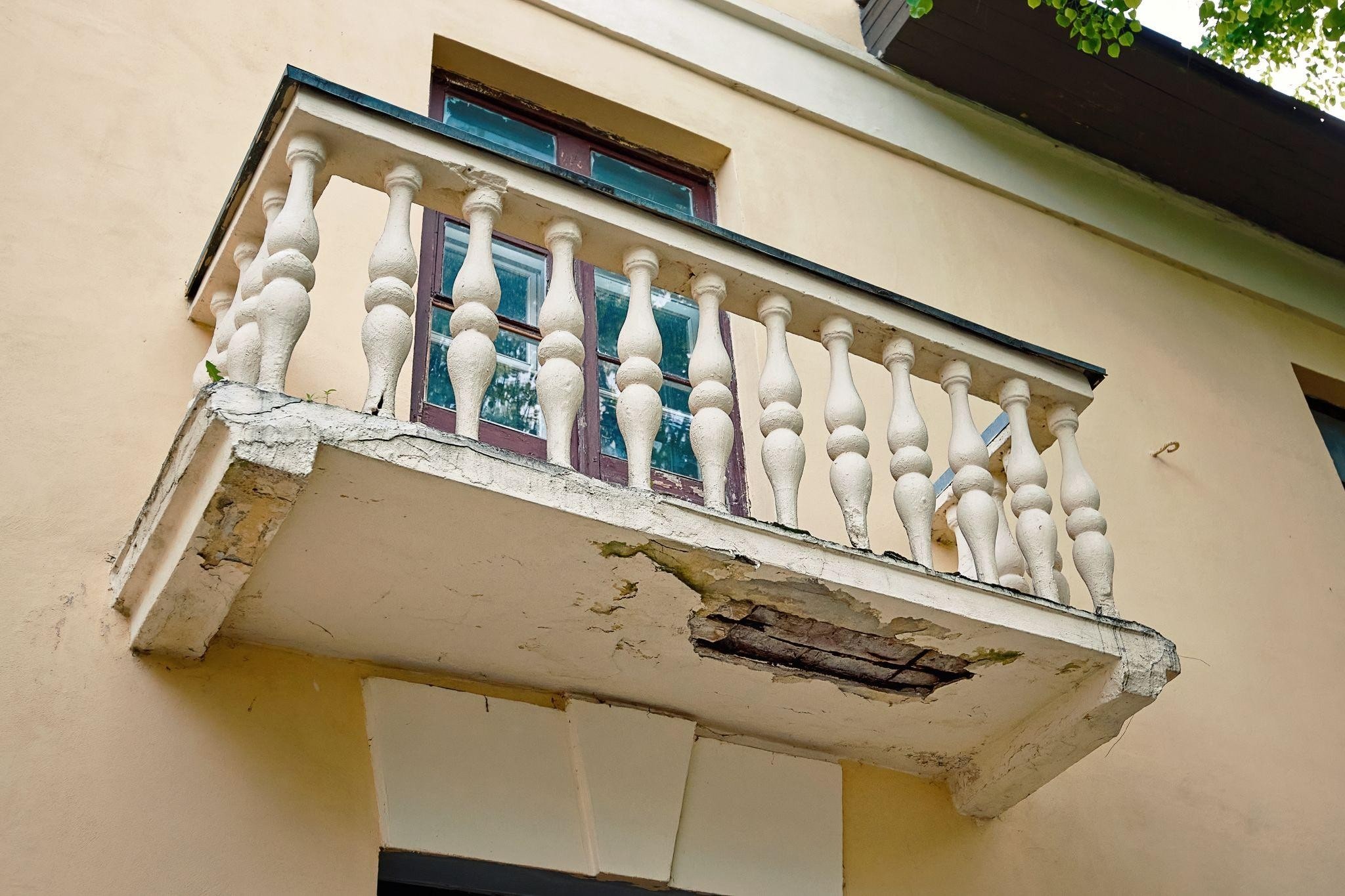
Rarely do balcony leaks begin with a dramatic crack or catastrophic failure — most start quietly. A little water pooling where it shouldn’t be, grout that looks “a bit tired,” or that faint damp smell coming from inside the room below. Before you know it, you’re up a pole dealing with stained ceilings, lifting tiles, or awkward conversations with body corporates and landlords. One of the most frustrating parts of this whole process for many Melbourne property owners is not knowing where the line is between a minor issue and a serious one.
That’s a problem we face every day here at Strategic Regrouting. People call us in once the damage has spread far and wide and are often surprised to discover the issue wasn’t their tiles or the waterproofing membrane at all, but rather failing grout that had stopped doing its job. Balcony grout lines see a tremendous amount of punishment from UV rays, rain, foot traffic, and daily temperature fluctuations, and when they break down, it’s like opening the floodgates for water to enter where it never should.
The good news is professional balcony regrouting and resealing is one of the best ways to halt leaks in their tracks before they become a major headache.
When done properly, the process restores a barrier that helps protect your balcony structure, prevents internal water damage, and can prolong the life of your outdoor area without the expense and inconvenience of a full rebuild.
To help you make sense of it all, we’ve provided a brief overview of what failing balcony grout looks like, why it leads to leaks, and how the problem can be stopped before it starts.
Table of Contents
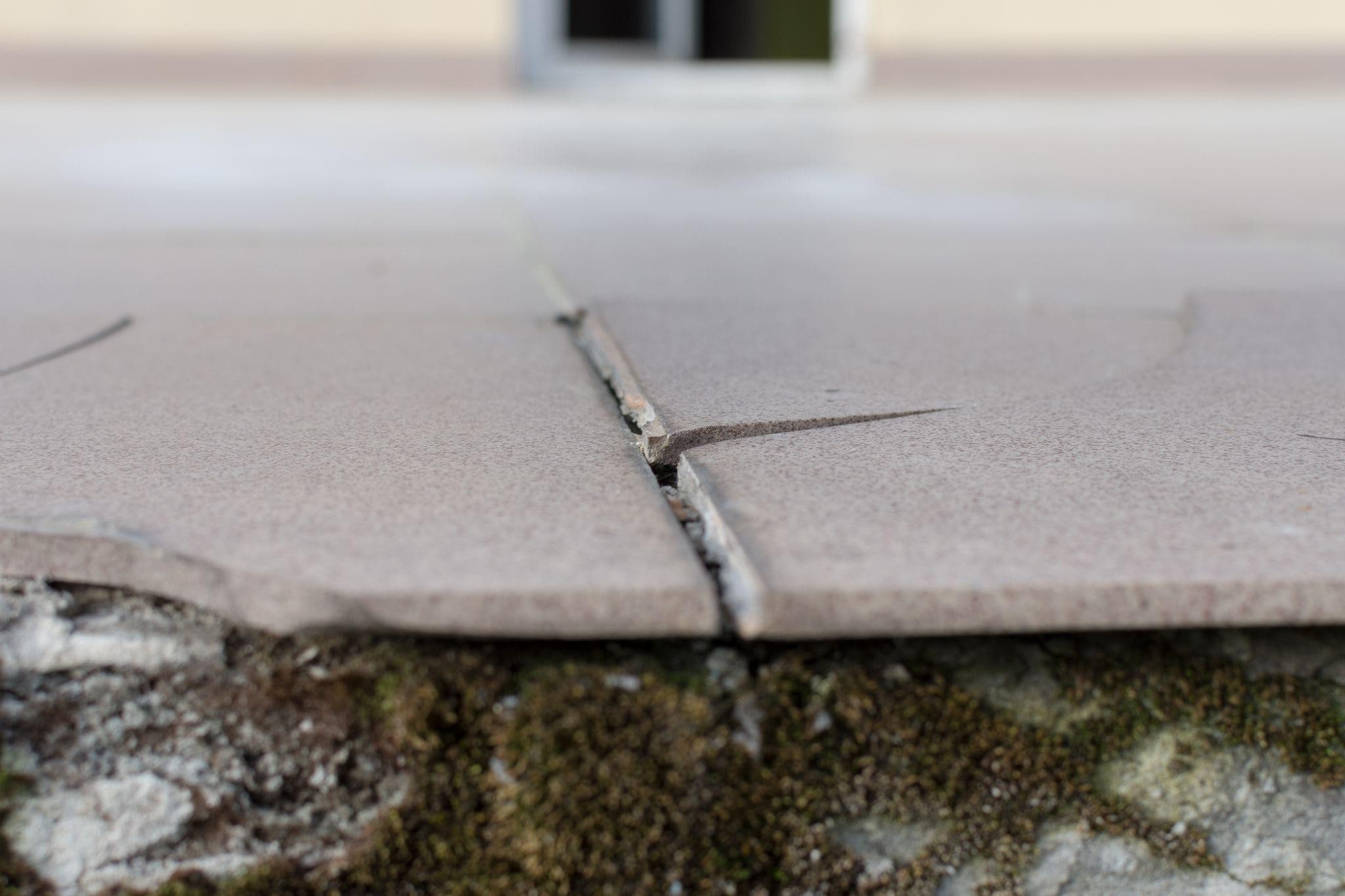
Tiles and grout on a balcony are subjected to stresses that indoor tiled surfaces are not. Normal daily thermal expansion and contraction of tiles and grout due to changes in temperature, rain, UV and erosion by foot traffic all gradually work the surface grout and tiles into pieces. After a number of years, this fatigue eventually results in cracked, crumbling grout and gaps where water can seep under tiles.
Grout may also fail more quickly due to movement or a substandard or aged grout bed. If the grout bed was not appropriate for an outdoor application, or movement joints were omitted at installation time, there will be limited movement tolerance in the grout. Once the grout is cracking, water intrusion will start to occur, bond breakage will take place and further damage will occur with each cycle of wetting and drying.
This is the reason for a short life for a patch repair. Repairing cracked grout with a regrouting process gets at the source of the problem by removing the failed grout material and replacing it with a high-performance, durable, weather-resistant grout system that is specifically engineered for balconies. When performed correctly, regrouting will restore the protective layer that keeps moisture from penetrating and help to prevent further leaks and structural damage.
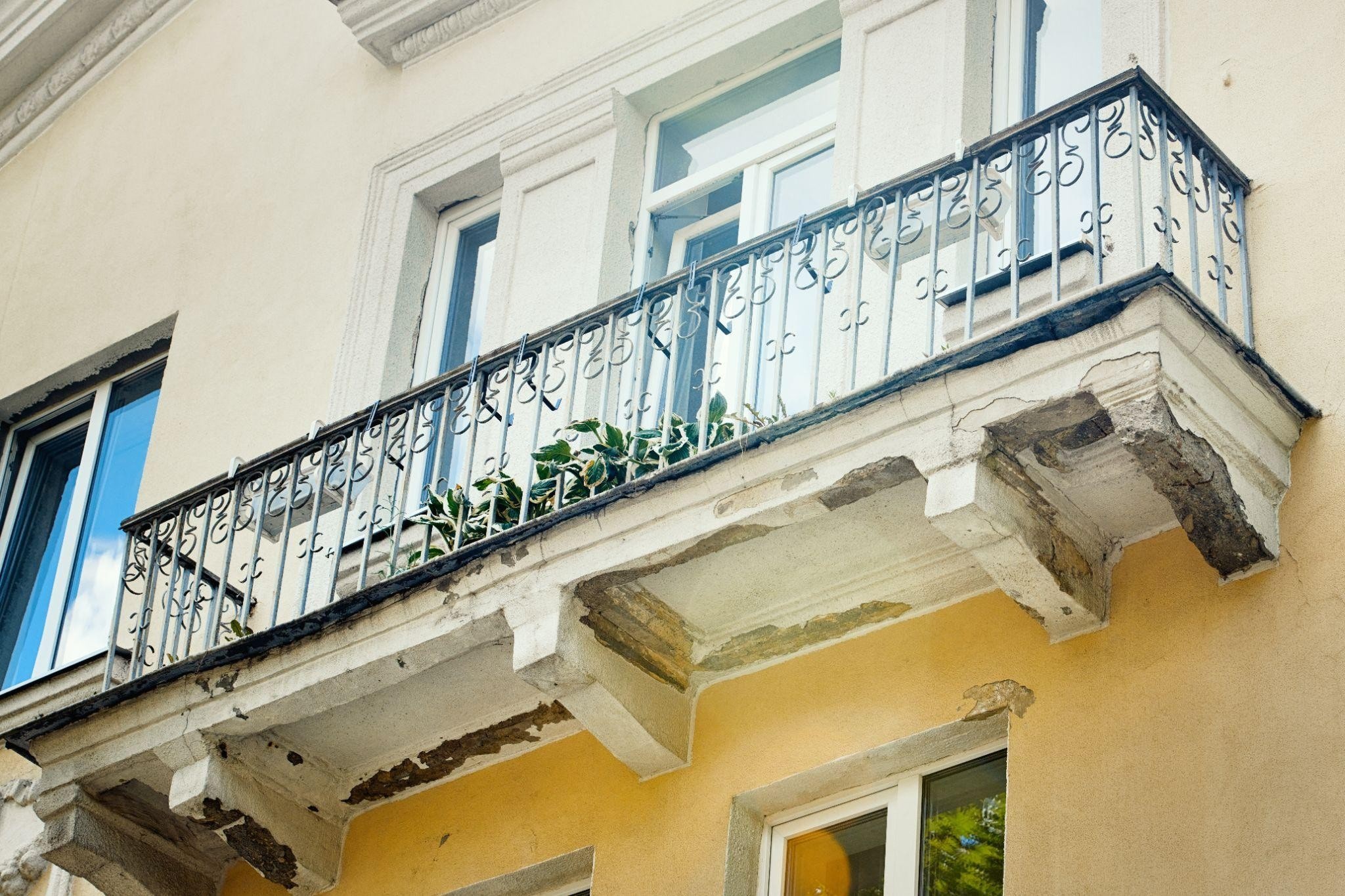
Leaks on balconies typically start at the smallest locations of failure. Hairline cracks in the grout lines, aged sealant at the perimeter, or any location that holds water after a rain event. The worst part about water leaks is that once water penetrates the membrane, it begins to migrate. Water will often flow under tiles, along membranes, and into various structural layers, many times quite a distance from where the initial failure took place.
Continuous cycles of wetting and drying also contribute to the problem because balconies are open to the elements. Moisture that is trapped on the balcony will continue to further deteriorate the adhesive, promote the crumbling of grout lines, and possibly result in tile lifting or internal water stains below the balcony. By the time you notice the leak from the interior, the problem is likely much larger underneath.
This is why it is so critical to have leaking balcony repairs completed as early as possible. Fixing a leak at the grout and surface level of the balcony will prevent water from migrating through the internal layers of the structure.
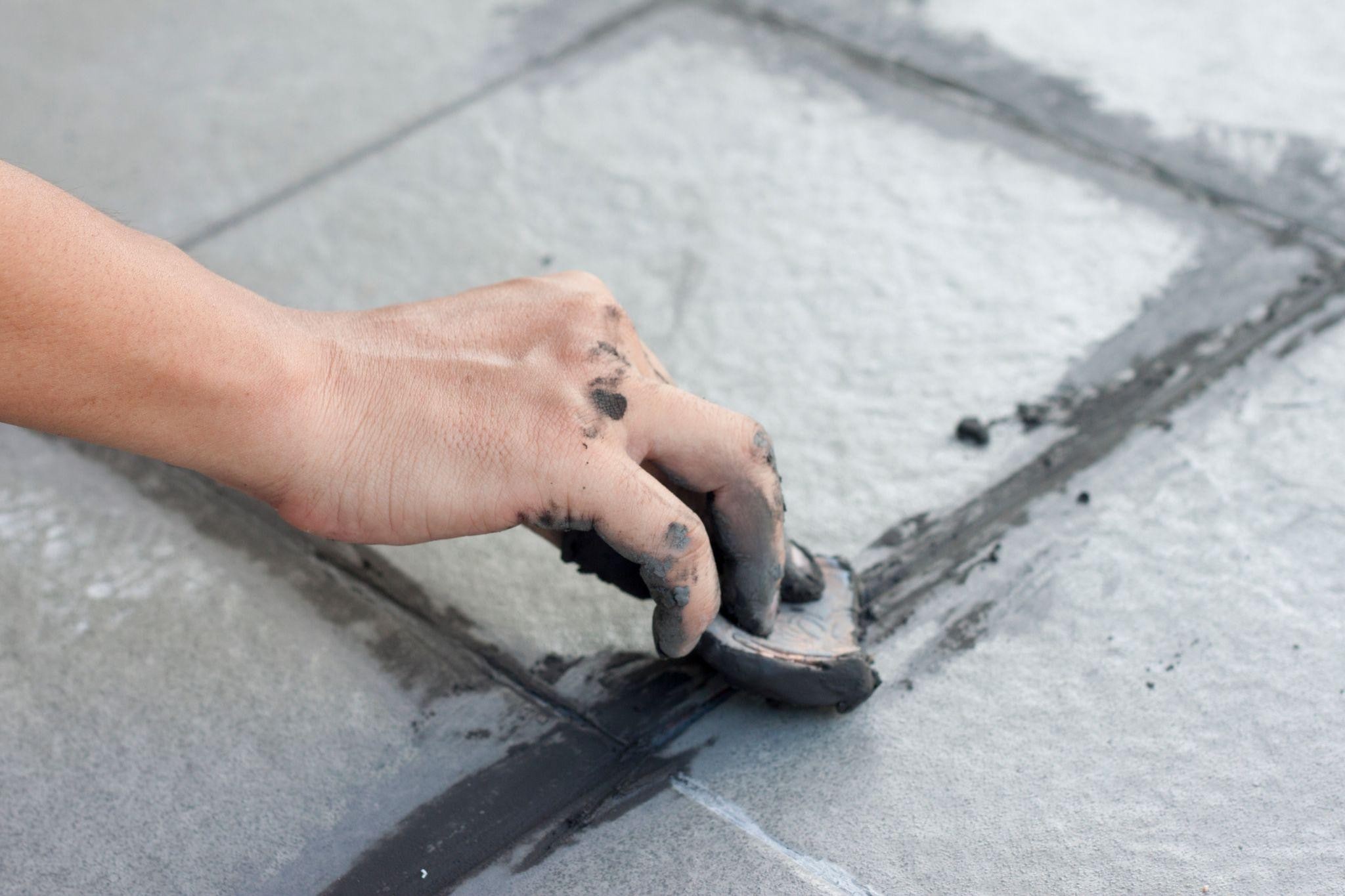
Balcony grout remains protected when you apply a sealant. It regains the line of defence that prevents moisture from getting under your tiles in the first place. When your grout is in its original condition, and if it is correctly sealed, water is prevented from seeping through the surface. This forces water runoff to travel in a different direction, such as a drain point rather than absorbing into the surface below.
There is also a newer option like epoxy grout for balcony leaks that provide an even higher level of defence. Epoxy grout, which is different from traditional cement-based grout, is a non-porous, more water-resistant option that is less likely to become damaged by the elements such as direct and consistent exposure to sun and rain.
Solidly constructed Melbourne balconies can begin to fail without much noise. There are often clues much earlier than when serious damage occurs, from subtle changes in texture to water infiltrating unseen places. That’s what we specialise in at Strategic Regrouting to help local homeowners and apartment owners maintain outdoor spaces leak-free.
Being able to identify what’s happening early on can help to safeguard your home and prevent expensive remediation.
Here’s the top signs to look for if your balcony needs repair:
Melbourne is known for its fluctuating temperatures, which can cause expansion and contraction in balcony grout. Hot days followed by cool evenings create this repeated movement, and over time, it can create fine hairline cracks or gaps where water can sneak through the tiles.
Rainfall in Melbourne is often a mix of sudden downpours and longer periods of drizzle. Efficient drainage is key for balconies in the city, so if puddles of water remain after rain, it’s a sure sign the grout and sealant aren’t shedding moisture like they should.
Melbourne’s strong UV rays in the summer months and prolonged damp conditions in winter can cause balcony sealants to age prematurely. Discolouration or chalky residues on the balcony are usually signs that the protective layer is breaking down.
Balconies in Melbourne are often shaded, especially those on southern-facing apartments and terrace homes. Excess moisture in the grout lines can create an ideal environment for mould, mildew, or algae to form, which is common in the colder months.
Movement or shifting beneath the surface is a common issue for balconies in Melbourne. Moisture weakening the layer beneath tiles or decking boards can cause them to lift, sound hollow, or show signs of shifting.
Prolonged moisture, especially through the winter months, can impact the layers below a balcony surface. A soft or spongy feel when walking on the surface indicates the water has been present for longer than it should.
Balconies are directly above rooms in a large percentage of Melbourne apartments and terrace homes. The first indication of a leak usually comes from inside, with staining, bubbling paint, or patches of damp on the internal walls.
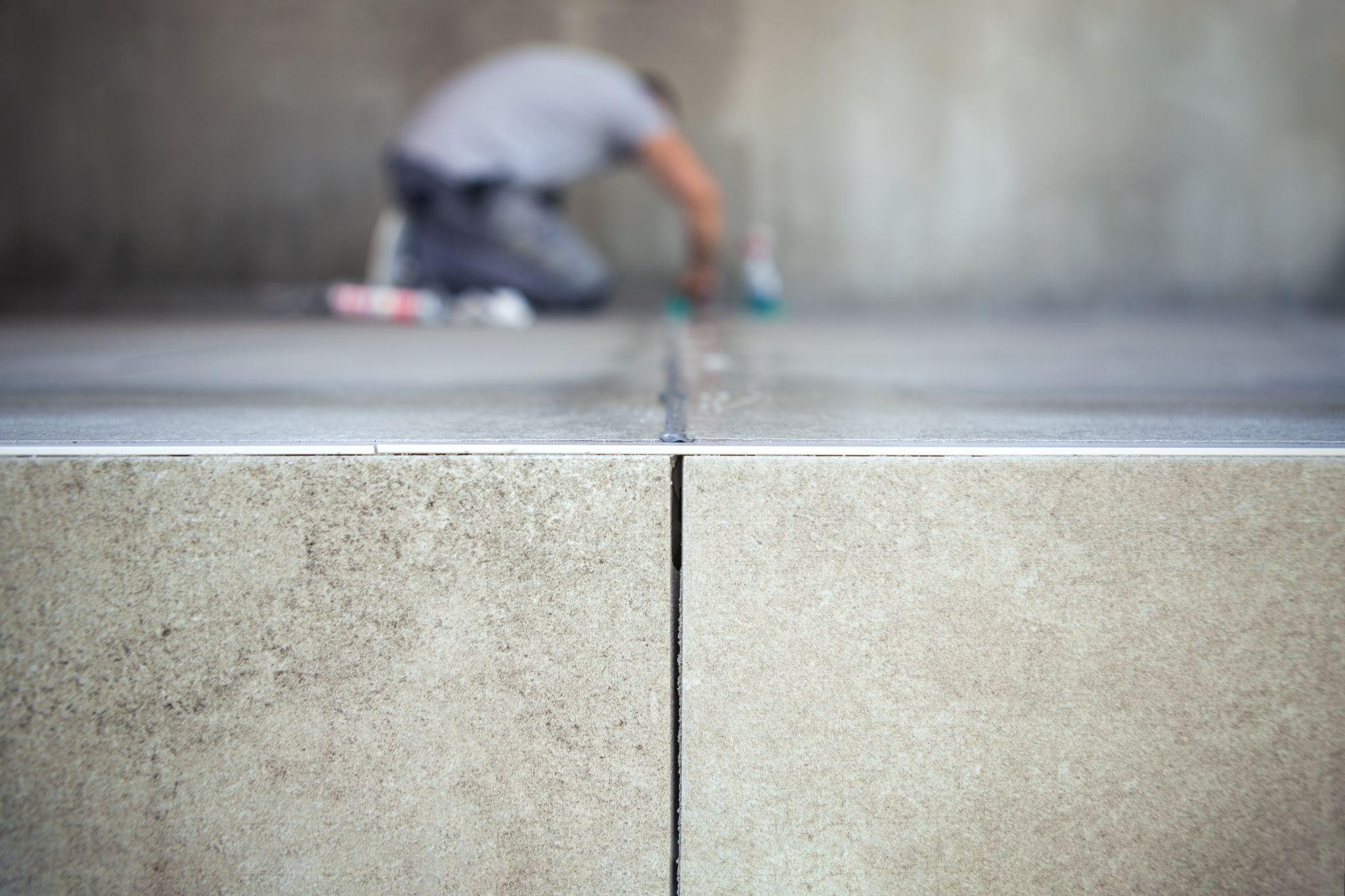
Resealing is all about bringing the protective joints and edges of your balcony back to life. It includes tasks like applying a new layer of silicone seal or polyurethane sealant to perimeter joints, expansion joints, and the junctions where tiles meet walls. Flexible sealants like these are designed to absorb movement from temperature changes and structural shifts while keeping water out. The sealant won’t crack or come away over time.
Regrouting, on the other hand, is all about the tiled surface itself. When the grout between tiles has failed, cracked, or become porous, a sealant applied on top will not prevent moisture from seeping through. In these instances, the failed grout needs to be removed and replaced. With high-performance options such as epoxy grout, a dense, non-porous joint can be created that resists water absorption and holds up much better in the face of Melbourne’s variable weather conditions.
We typically use a combination of the two methods at Strategic Regrouting. Silicone or polyurethane sealants handle movement in critical joints where needed, while epoxy grout provides long-term protection across the tiled field. It’s a complete system that controls water, handles movement, and goes a long way to preventing any future leaks.
The key is to know when to use each solution and where to apply it. It’s not a case of one being superior to the other, as both can produce long-lasting results in the right circumstances.
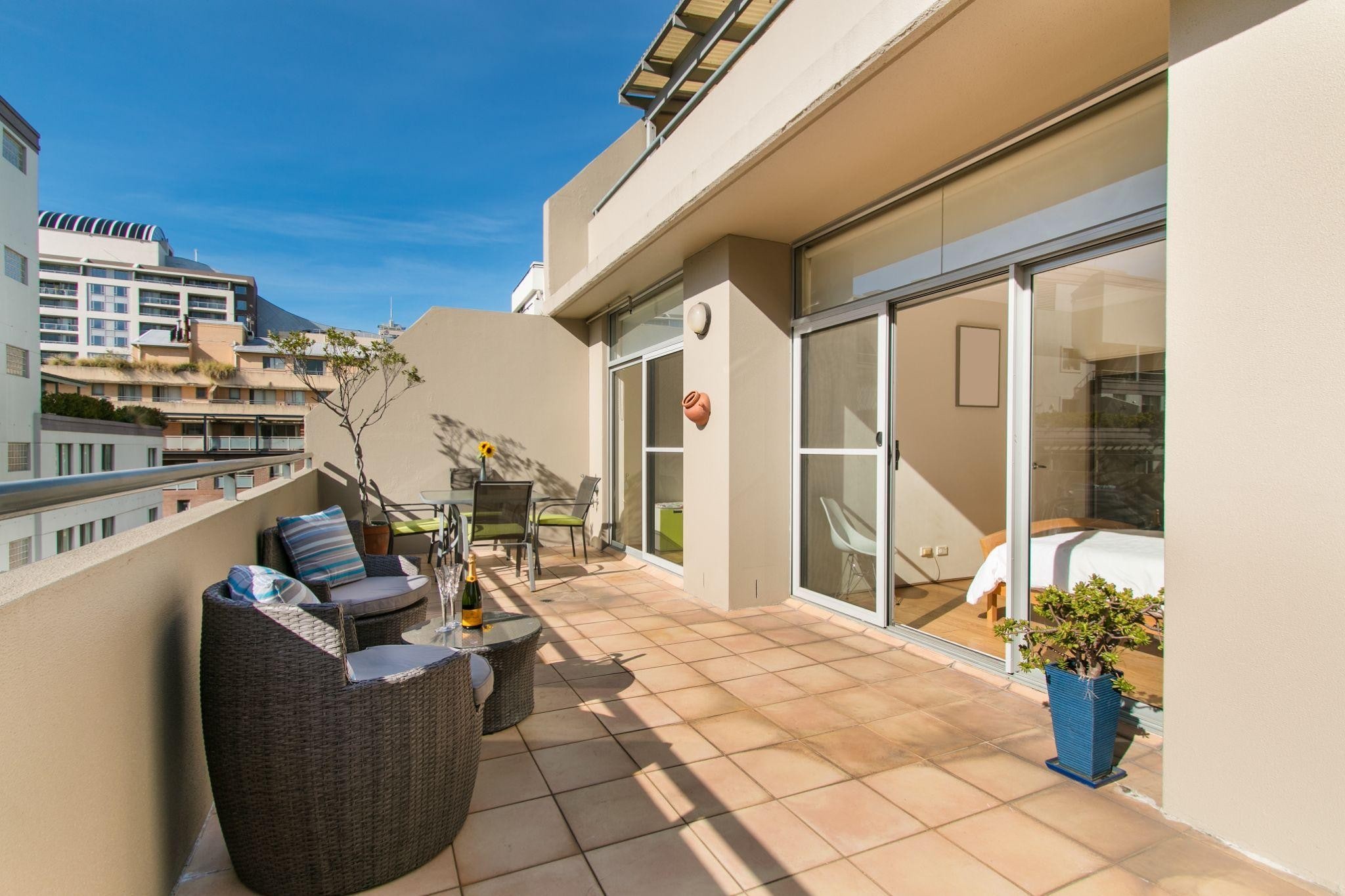
DIY sealants and home remedies may provide an immediate, short-term solution, but they are seldom effective for Melbourne balconies in the long term. Uneven surfaces, hidden moisture and relentless exposure to the city’s erratic climate all conspire against temporary fixes, making professional intervention the safer, more permanent solution. That’s where Strategic Regrouting comes in.
We specialise in leak-free balcony repairs without the need for tile removal. Using special tools, we extract deteriorated grout and apply high-performance products, including silicone and polyurethane seals, as well as epoxy grout where required. Our comprehensive approach to the root cause of leaks, rather than just their symptoms, is something DIY sealants simply can’t match.
Our team is fully licensed, insured and trained to treat your home with the utmost respect. Drop sheets protect floors and furniture while clean, well-organised work sites speak to the smooth, respectful and efficient process we employ. Most standard balcony regrouting jobs take a few hours, minimising disruption and inconvenience while delivering long-lasting results. With over 25 years of industry experience, a reputation for punctuality and a 10-year workmanship guarantee, Strategic Regrouting sets the benchmark for quality in Melbourne.
Our work not only fixes your balcony but also provides peace of mind, knowing every tile, joint and seal has been professionally restored to withstand the city’s unique climate.
At Strategic Regrouting, we understand that your balcony is an important extension of your home, and it needs to be kept leak-free. That’s why our decades of experience, professional materials, and expert craftsmanship come together to protect your balcony from water damage for years to come.
Whether we’re using precision epoxy grout, flexible silicone, or polyurethane seals, we’re making sure we treat the cause of the leak instead of just the symptoms. If you’re starting to see cracks, pooling water, or other moisture on your balcony, it’s time to do something about it before the leak gets worse.
Give Strategic Regrouting a call for a free quote and professional consultation — we’ll keep your home protected, get your balcony back to normal, and stop leaks before they become an expensive problem.