 1300 855 075
 Free Quote


Summer is often the time of year when balcony problems begin to quietly take hold. Hairline cracks appear in grout, tiles and other parts of the balcony loosen and don’t feel quite as tight as they used to. This is all often a result of the grout drying out, shrinking and becoming weak from years of constant hot and cold weather. It all can look okay from the outside, but as soon as Melbourne gets one of its summer storms or a surge in humidity, water can start to seep through the cracks and cause real damage.
Apartment owners and body corporates often don’t see the problem until it is far too late. Instead, the first signs of a balcony issue is often a leak that suddenly appears in the ceiling below, or swelling timber that seems to expand with no other cause. Neighbours complaining is also a clear giveaway.
Balcony regrouting is one of the most effective preventative maintenance tasks and performed during the right season it can really pay dividends in avoiding water ingress and unexpected repair bills. Strategic Regrouting sees firsthand each year how preventative maintenance can keep water ingress at bay.
Grout that is in poor condition can lead to an enormous range of more serious problems. In worst-case scenarios, water ingress can lead to damaged waterproof membranes, corrosion of balustrades and structures and extensive and costly repair bills that can impact an entire apartment, not just the balcony. Melbourne weather can be unforgiving and a combination of hot temperatures, summer storms and constant change in temperature, humidity and sunlight can take a toll on an exposed balcony.
If you are starting to notice issues with your balcony grout, now is the time to start doing something about it. Scheduling professional balcony regrouting in the summer is a smart move as it gives grout the time it needs to cure and set.
As well as the obvious benefit of getting any existing issues addressed before the onset of summer storms and peak rainfall, this is also the best way to give you peace of mind knowing the work is complete before any future problems arise.
Read on to find out why summer is the best time to regrout a balcony, how grout failure can lead to leaks, what the telltale signs are, and how professional balcony regrouting services can protect your Melbourne apartment from water ingress and structural damage.

Melbourne’s hot, dry days and nights put tiles, grout, and concrete substrates through a process of expansion and contraction. In the heat of the day, these materials expand, and as temperatures drop during the night, they contract. This process is repeated over time, gradually weakening the grout lines, particularly in older balconies, or where grout was used rigidly instead of a flexible movement-tolerant substrate.
The most common cause of cracked grout is thermal expansion. As tiles become heated by direct sun, they press up against each other and against fixed structures such as walls, corners and balustrades. Cracking occurs when the grout or movement joints lack the flexibility to absorb these forces. These fractures may appear hairline at first but they do create direct paths for water ingress to below the surface.
Summer storms and sudden downpours add further stress. Grout which has become brittle after long dry spells can quickly absorb moisture and lead to cracking and break down, sometimes to the point of de-bonding from tiles. This is why heat, dryness, and sudden water ingress is often the catalyst for a balcony to begin leaking during or just after summer.
The UV rays can also weaken and break down grout over time. Constant sun can lead to fading, weakening, and loss of cohesion in the grout. Along with foot traffic, furniture movement, and general use of a balcony during the warmer months, grout lines are put under wear and tear that will hasten failure if they are already in a compromised state.
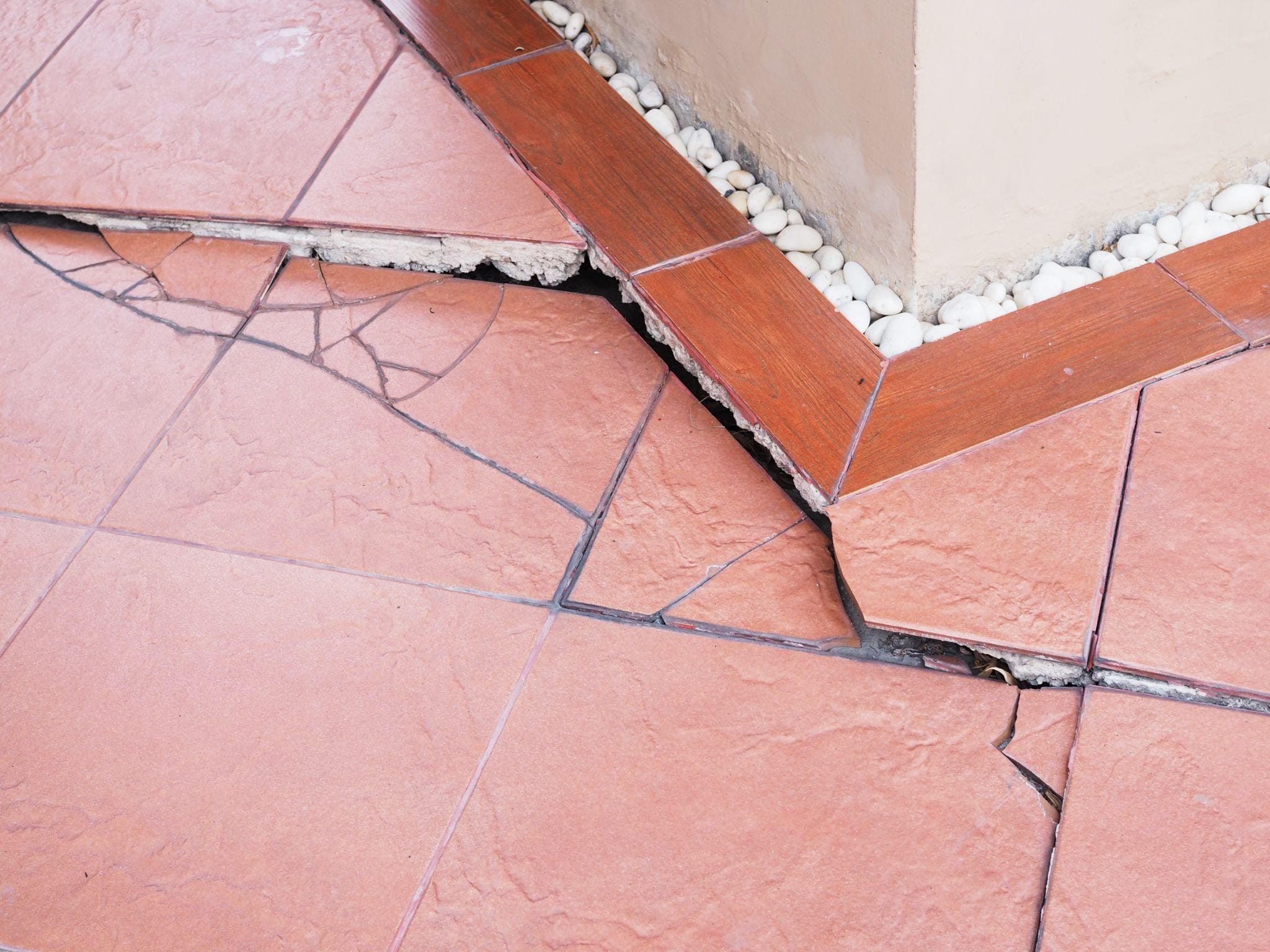
Cracked grout doesn’t seem like such a big deal. But in the summer, that is often where balcony leaks start. As grout lines crack or pull away from tiles, they no longer form a seal. Instead, they create open channels where water can penetrate below the surface. During a summer rainstorm, or even a regular balcony cleaning, that moisture can reach a point where it gets trapped underneath tiles.
At this point, leaking balcony repair options become more complicated and expensive if it isn’t addressed. Moisture finds its way toward the waterproof membrane over time. That barrier can get weakened from repeated exposure. Eventually, water can get into the concrete slab and start causing interior leaks, ceiling damage in the unit below, and long-term moisture problems that are difficult to fix once they start.
Traditional grout doesn’t stand up well under those conditions, either. It is more porous, brittle, and unable to handle expansion and contraction from heat and cooling over time. Traditional grout also is not as effective as epoxy grout at preventing balcony leaks these days, especially on high-exposure surfaces like balconies. Epoxy grout is non-porous and more flexible, and it handles summer heat, UV rays, and sudden moisture much better.
Property owners often take a reactive approach to balcony maintenance, waiting until a leak develops before doing anything. By then, however, the problem may already have extended well below the surface. Balcony leaks don’t usually develop overnight. They creep up as grout deteriorates, movement joints break down, and moisture finds its way into unseen voids and cracks. Once water becomes visible within the building, the scope of repairs is no longer confined to the balcony finish; it can also involve remedial concrete work, waterproofing replacement, and internal leak repairs.
Proactive tile regrouting is a key solution that works to prevent leaks before they happen. By replacing the failed grout, a property owner is attacking the initial points of failure head-on before moisture ever reaches the waterproof membrane. It’s a targeted, preventative solution that bolsters the balcony’s first line of defence without the disruptions or expense of major structural repairs.
By resealing the balcony grout, a property owner is investing in the health and longevity of the entire balcony system. Fresh grout that is applied correctly can help contain movement and limit water penetration, while also keeping the layers below from being subjected to continuous exposure.
Carrying out regrouting before leaks develop is not only faster, cheaper, and more cost-effective, but far less invasive than reactive leak repairs, and the best time to do it is in the summer when the heat allows the regrouting to cure and set, creating a long-lasting and robust grout line.
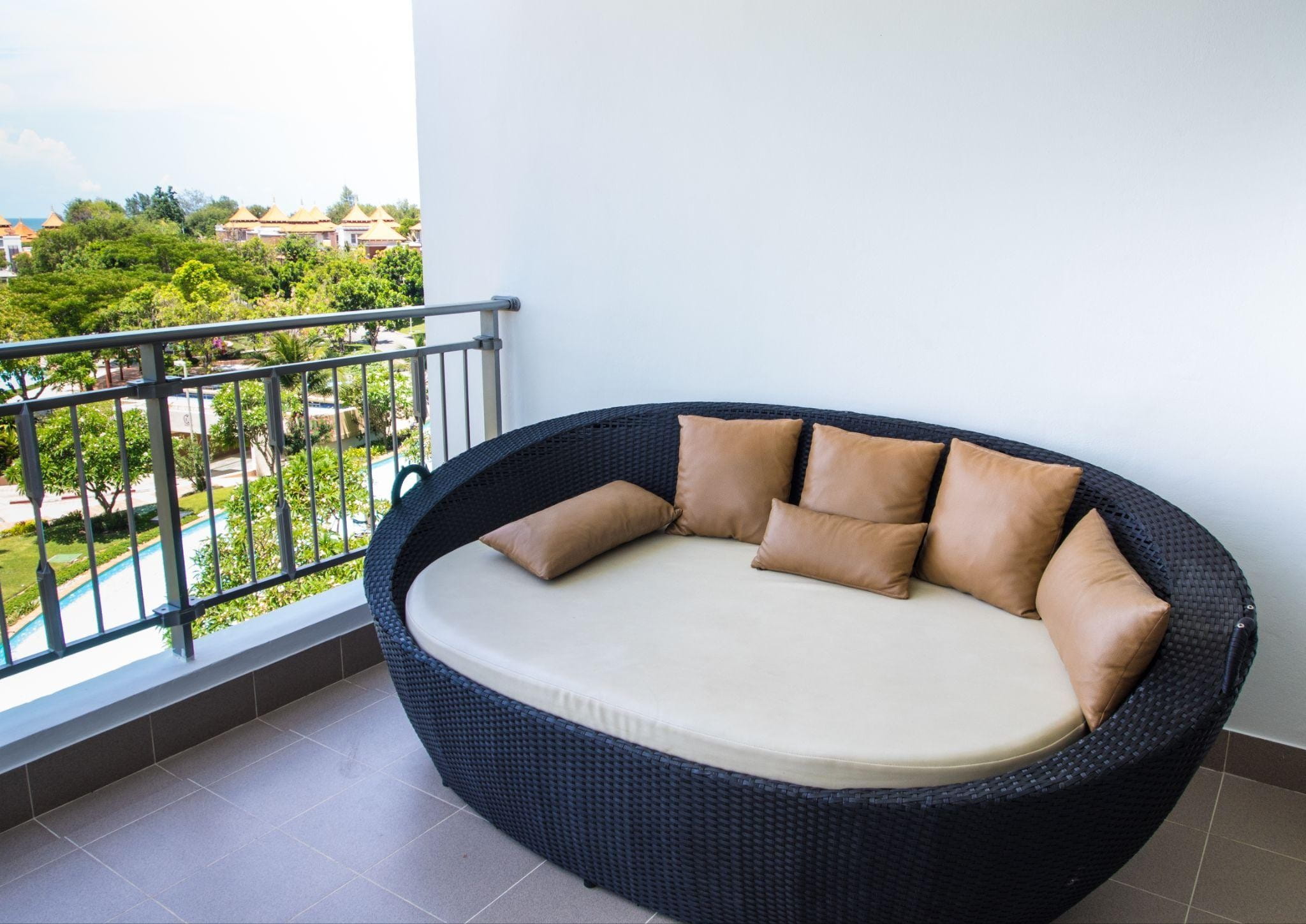
It is easy to assume that waterproofing lies completely underneath the tiles, but in truth surface layers are important in protecting those lower layers. Grout lines and seals are the first line of defence against moisture. Where they fail, water does not need to “break” the waterproof membrane beneath, it can simply bypass it. Balcony regrouting provides this surface-level protection and makes a massive difference to the volume of water that gets through.
The epoxy grout that we use on balconies these days is a dense, non-porous compound, far more resistant to moisture, heat and UV light than old-fashioned cement-based grout. It prevents water soaking through the grout lines and reduces the gradual saturation that leads to invisible leaks. For these reasons, it is ideal for balconies exposed to direct sunlight and occasional summer showers.
Seals are applied around edges and points of movement in a range of compounds. Polyurethane seals are highly flexible, allowing joints to expand and contract with temperature fluctuations without cracking. Silicone seals are used in areas of regular moisture or minor movement, which helps to maintain a watertight seal between tiles and walls, and tiles and balustrades.
These sealing systems support the waterproof membrane below by minimising stress and the risk of water getting through at vulnerable points.
DIY grout repair kits and quick sealer products are generally formulated for short-term cosmetic fixes, not long-term water protection. This becomes increasingly apparent during the summer months. Off-the-shelf sealers are often surface-set rather than integrated with existing grout. In strong heat and UV, the coating can dry out too quickly, become brittle and start peeling or cracking within weeks.
Summer temperatures also impact the application process. When concrete and tiles are hot, sealer may flash-dry on the surface before having time to penetrate or cure properly. There is also a false sense of security — a balcony may look sealed and dry, but the protection is superficial and patchy. Once a sudden summer downpour comes along, water will find these weak spots and continue penetrating beneath the tiles.
DIY solutions often also miss movement joints, edge joints, and transitions around balustrades and walls. These are the points which expand and contract the most in hot weather. Without flexible sealing materials and joint preparation, cracks will simply reappear quickly, often in the same places as before they were “fixed”.
Quick sealers can also trap moisture below the surface. If water is already present under the tiles, sealing over the top in the summer heat will often prevent this from evaporating. This builds up pressure on the grout lines and joints, causing them to deteriorate more quickly, rather than halting the process.
Professional regrouting is focused on removal of failed materials, giving the surface time to stabilise, and only then applying products specifically formulated to deal with heat, movement, and moisture, rather than just covering the problem temporarily.
In summer, it’s much more likely that shortcuts will fail, and proper regrouting will provide protection that lasts.
Experience and an attention to detail is important when it comes to summer balcony repairs. Strategic Regrouting services are punctual, reliable and offer a very high standard of workmanship. We’re not afraid to prove it either with actual client testimonials and 10-year guarantees on all our work. We do things properly and use methods that have stood the test of time in identifying and eliminating the cause of leaks, not just plastering over the symptoms.
Our approach to balcony and leaking shower repairs is minimally disruptive. In many instances we can stop the leak without having to remove tiles at all. Failed grout can be removed selectively using specialist tools so our team can focus on a carefully matched combination of modern regrouting and sealing systems that are effective in summer weather. This precise process means repairs are completed efficiently without disturbing the existing tiles and waterproofing layers.
We also know we’re working in your home, which is why our technicians are clean, presentable and respectful at all times. We turn up in vehicles that have been well-maintained and serviced with the right tools and materials needed to get the job done. Drop sheets are used to protect areas outside the work zone and the utmost care is taken at all stages so we can leave the area clean and usable at the end of the day.
To help you make the right decision we offer free quotes and on-site assessments. We’re always happy to explain the condition of your balcony, outline repair options that are going to be effective for you and go through the preparation and process in detail before any work commences — so you never have any surprises, just long-lasting results.

Strategic Regrouting offers professional balcony regrouting services all over Melbourne and the surrounding suburbs. Our goal is to help property owners protect their balconies from leaks and water damage all year long. We work with a wide range of inner-city and bayside suburbs, which enables us to respond quickly and provide reliable, consistent workmanship all over the metro area.
Our technicians regularly perform balcony regrouting and leak prevention services in Albert Park, Caulfield, Carnegie, South Melbourne, Brighton, Windsor, South Yarra, Bentleigh, Richmond, Middle Park, Elwood, Balaclava, Hawthorn, Hampton, Toorak, St Kilda and Malvern. We work in apartments, townhouses, and multi-level properties all over the city, and our technicians are familiar with the typical building styles and balcony conditions in each of these suburbs.
If you’re looking for a professional tile regrouting specialist near you this summer, our team is well-positioned to assess your balcony, explain your best repair options, and perform professional regrouting with minimal disruption to your day.
Summer is the ideal time to fix any balcony grout problems before they lead to leaks, water damage, and expensive repair bills. Timely regrouting will help maintain the integrity of your waterproofing system, prolong the life of your balcony and ensure you can relax worry-free during Melbourne’s warmer weather and unpredictable summer storms.
Cracked, worn or otherwise deteriorating balcony grout is a sign it’s time to think about regrouting. Contact Strategic Regrouting today to arrange a free quote or on-site assessment. Our team of experts will take a look at your balcony, discuss the most appropriate regrouting solution for your space and perform high-quality repairs that are built to last.
So you can enjoy your balcony, without leak worries.