 1300 855 075
 Free Quote

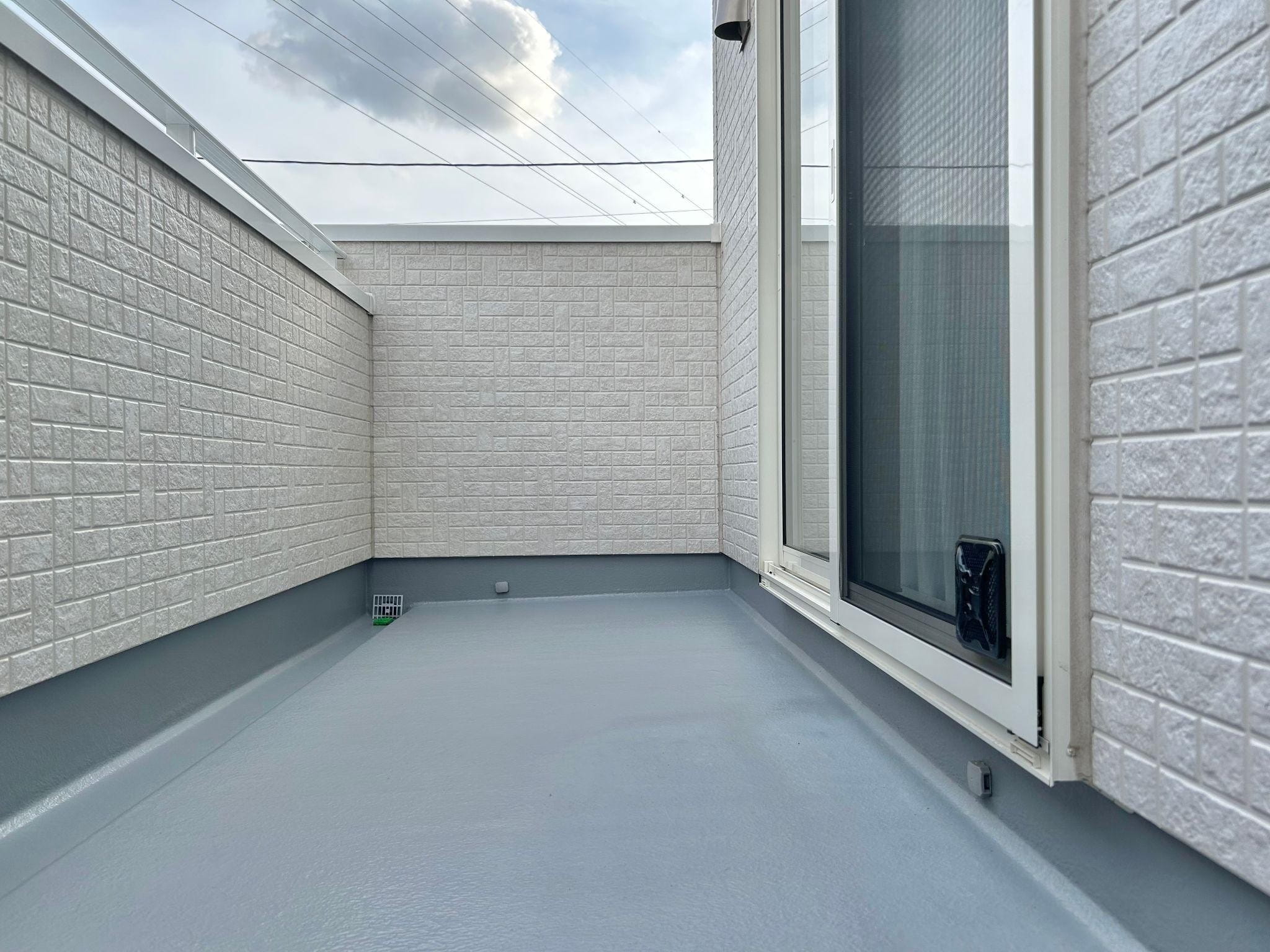
Balcony leaks can start small and virtually undetectable, then escalate into costly, disruptive nightmares that homeowners regret not addressing sooner. The tricky part is knowing if your waterproofing is failing (if at all), and how long you can expect it to last.
Here at Strategic Regrouting we talk to homeowners weekly who were assured years ago their balcony was “problem-free”, only to find out there were concealed leaks upstairs damaging ceilings or inside walls. Bad weather, structural movement, and deteriorating sealants all play a factor in the lifespan of your balcony waterproofing. So being able to identify what’s normal wear and tear vs what’s causing leaks can help you avoid costly repairs down the track.
But what if your balcony is already leaking or showing signs of water damage? Our experts specialise in leaking balcony repair. By stopping water ingress as soon as possible, we can help you prolong your balcony’s lifespan and avoid full balcony rebuilds where possible. The key is to seek reliable advice before it’s too late.
You haven’t dreamed it, what starts as water spots on your balcony floor, tiles that sound hollow when you tap on them, and unexplained stains showing up inside your property are all classic signs that something is wrong with your balcony waterproofing.
Read on to find out exactly how long balcony waterproofing should last and what affects its longevity.
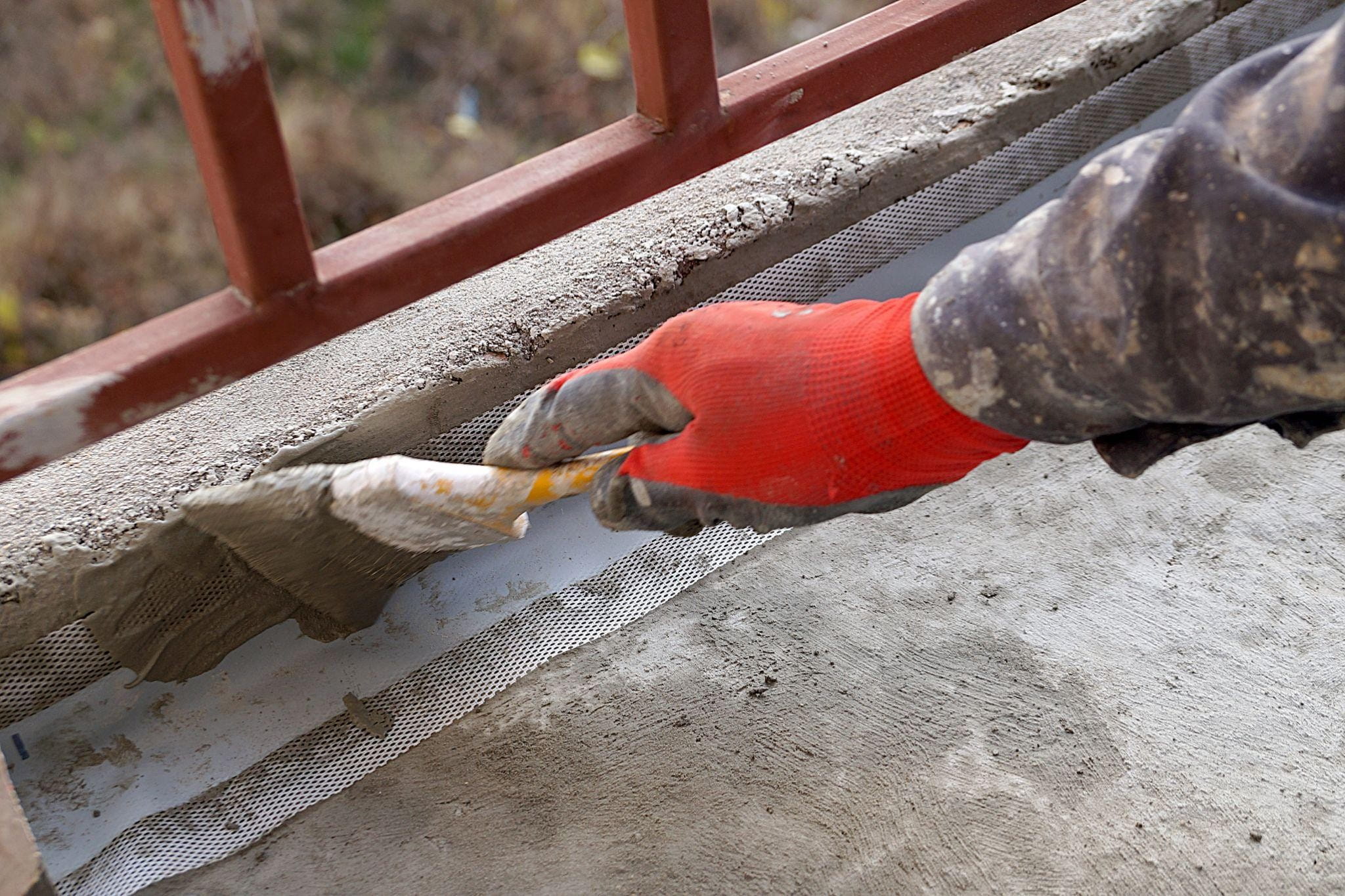
Balcony waterproofing exists to prevent water from coming underneath your tiles and into your home. Tiles aren’t typically susceptible to water damage, however areas such as joints and movement points are. Over time water can seep through these areas and any cracks that develop and travel underneath your tile. When water penetrates below your balcony tiles you can experience tile failure, concrete damage, and leaks inside of your home.
Using epoxy vs traditional grout is important when it comes to waterproofing your balcony. Normal cement-based grout is permeable, so it absorbs moisture which weakens it over time due to Mother Nature and traffic. Epoxy grout is non-permeable and stronger, making epoxy the better choice for areas that are exposed to water, movement and temperature changes.
Along with a properly installed waterproof membrane, having the right grout system can make or break how well your balcony waterproofing holds up. It should keep water out, protecting the substrate beneath your tiles and extending the life of your tiled surface. Taking the time to use quality materials at the beginning of installation or upgrading when problems arise can greatly impact the lifespan of your balcony waterproofing.
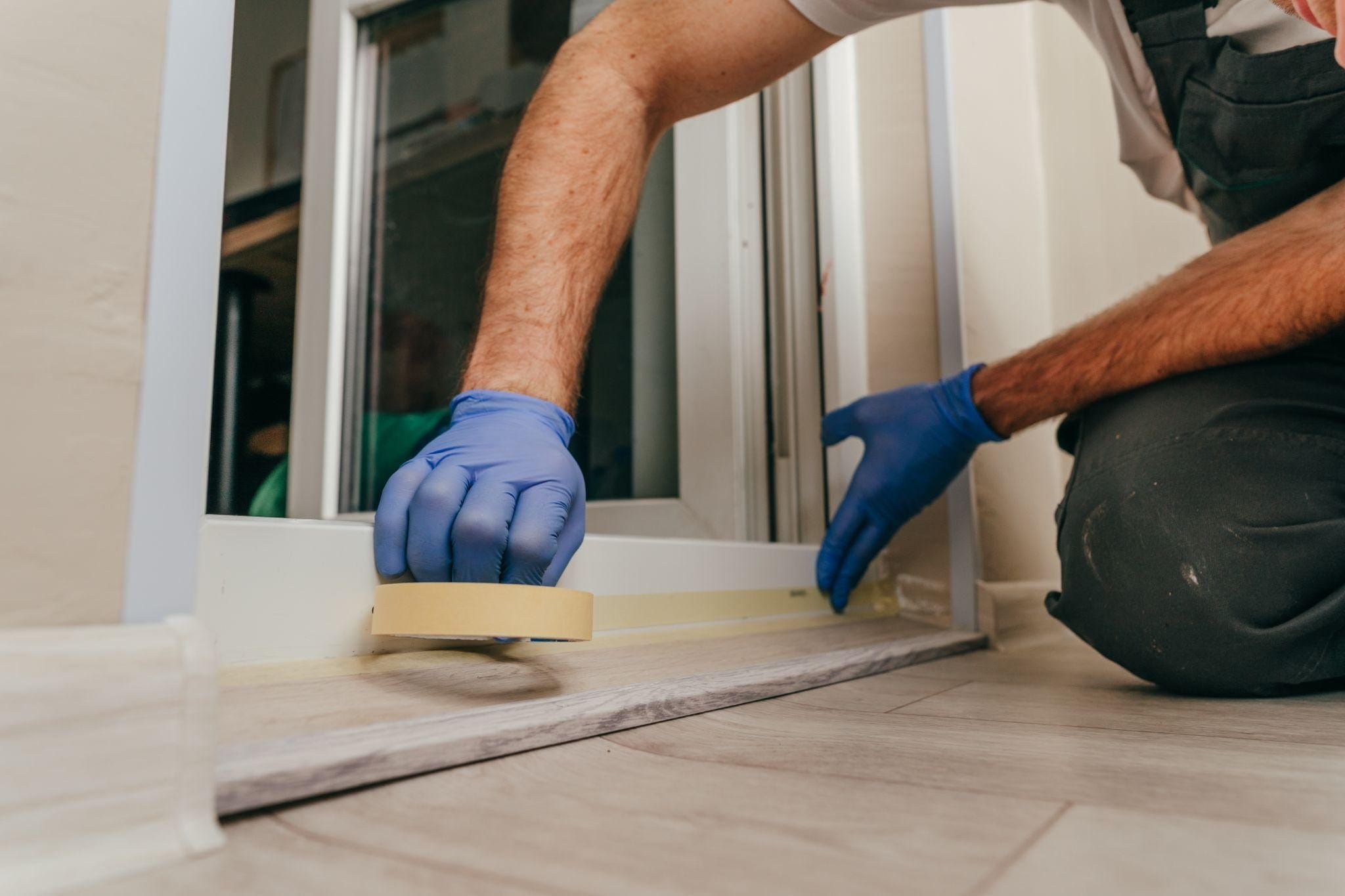
The longevity of your balcony waterproofing depends on the type of materials used and how well the application was installed. If you hire a professional waterproofing contractor that uses high-quality materials your balcony can stay waterproof for years.
Waterproofing contractors use many different products to ensure that your balcony is safe and waterproof. Some common materials used are epoxy grout, silicone seals, and polyurethane seals. Epoxy grout is great for areas that see a lot of water and foot traffic. When applied correctly and the underlying substrate is sound epoxy can last for decades. Silicone and polyurethane create long-lasting seals and are very flexible. They’re great for sealing expansion joints and anywhere two different areas meet.
All these products and materials can offer long-lasting waterproofing as long as they’re applied over a sound substrate by professionals like those here at Strategic Regrouting. By using a combination of epoxy grout for tiles and silicone or polyurethane seals for corners and expansion joints you can expect your balcony waterproofing to last 10+ years.

There are many reasons why balcony waterproofing fails prematurely — some you might not even realise until it’s too late. Movement within your building or tiles shifting is a primary cause. This can create gaps for water to enter underneath. Areas exposed to constant UV rays, rain, and temperature changes will naturally deteriorate more quickly and put additional pressure on your grout and seals.
Old grout could also be the reason why your balcony isn’t waterproof. Cracked grout is easy to identify and could have been caused by poor installation, cheap materials, movement or even general wear and tear. When grout cracks water can penetrate into joints which can cause damage to your waterproofing system and leaks to occur.
Lack of maintenance can also shorten your waterproofing’s lifespan. If your balcony isn’t checked regularly or is left clogged with dirt and debris the sealant can become damaged over time. This can happen even when you’re using a premium product.
Seasonal stress is one of the most common culprits. Hot, dry summers that produce heavy rains or storms often leave many balconies with leaks that seemingly popped up overnight. The science behind why your balcony leaks more after a summer storm is explained by thermal expansion, water pressure, and small hairline cracks in your grout or seals which have slowly deteriorated over time.
Hidden damage also causes problems. Hairline cracks, deteriorated silicone or polyurethane seals, and drainage that becomes clogged can all allow water to get trapped under tiles. Eventually, this causes damage to both the substrate and waterproofing layer which results in leaks appearing to come “out of nowhere.”
Low-cost waterproofing may seem great when installed, but they are typically unable to stand up to building movement, drastic temperature changes, or frequent foot traffic. What happens is your entire waterproofing system starts to break down at an accelerated rate.
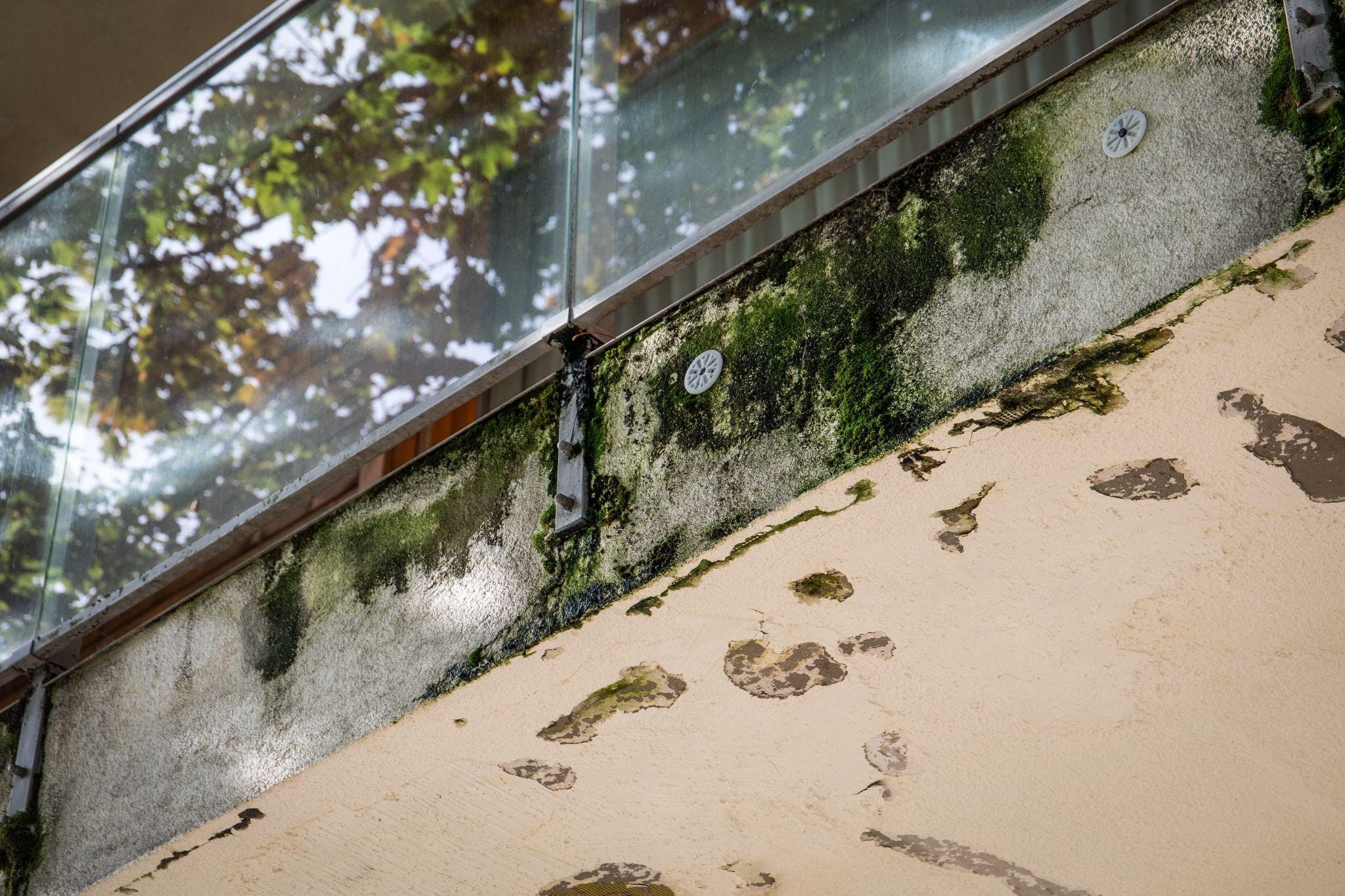
Problems can creep up over time — and the earlier you spot them, the easier (and cheaper) they are to fix. Some warning signs are obvious, like water pooling on your balcony, while others are more subtle, like discoloured grout or damp patches inside your home.
Use the table below to quickly check if your balcony might need attention before small issues turn into costly repairs.
| Sign | What It Means | Why It Happens |
|---|---|---|
| Cracked or discoloured grout | Water may be seeping through the joints. | Normal wear, structural movement, or poor-quality grout. |
| Pooling water on the balcony | Waterproofing may be compromised. | Blocked drains, uneven slope, or damaged membrane. |
| Leaks inside the home | Water is getting past the waterproofing layer. | Cracked grout, worn seals, or membrane failure. |
| Soft or spongy tiles | The substrate may be waterlogged. | Persistent moisture under tiles is weakening the structure. |
| Peeling paint or damp patches on walls | Water has penetrated to the interior surfaces. | Cracks in tiles or seals, inadequate waterproofing installation. |
Balcony regrouting is actually one of the easiest ways to safeguard your balcony if you’re not ready to invest in full waterproofing. Years of wear and tear can cause your grout to crack, crumble or allow water to pass through, resulting in leaks beneath the tiles and through the waterproofing membrane below. Balcony regrouting cleans out these joints and replaces them with higher-quality alternatives like epoxy grout that won’t degrade as easily or allow moisture through.
But there’s more to it than just replacing cracked joints. Your contractor can also assess tiles, seals, and edges when regrouting your balcony. Worn edges can be replaced at the same time to give you the best protection against leaking.
Don’t spend days wondering if you need to regrout your balcony or replace your waterproofing. While some homeowners will need a full waterproofing replacement, many only need regrouting to improve its appearance and keep water out. If your grout is cracked, discoloured or worn but your waterproofing membrane is still intact and functioning as it should, balcony regrouting can prevent leaks and water damage.
However, suppose the source of your leaks or moisture problems is from damaged waterproofing rather than worn out grout. In that case, you may need a complete replacement if there are leaks that can’t be addressed with re-grouting, signs of pooling water or visibly damaged waterproofing membrane.
Either way, identifying the cause of leaks early on can save you time, money and stress. If you are unsure whether you need to replace your waterproofing or regrout your balcony tiles, Strategic Regrouting can help.
Our professionals will advise on what needs to be done to ensure your balcony waterproofing keeps moisture out and remains intact for years to come.
Do-it-yourself repairs often overlook the way water moves through surfaces. Water runs sideways along a balcony long before it starts dripping down below. Water becomes trapped under tiles after rain, accumulating pressure day by day until it finds a weak spot to seep through. You may repair the hole right below your door step, but water will find the next hole downhill.
Most DIY fixes get completed when the weather conditions are favourable. So when you apply that liquid membrane in bright sunny weather, it bonds well to the substrate. But Mother Nature has a cycle of hot-expansion-cool contraction-rain. The weekend warriors that DIY remedies are subjected to haven’t experienced that yet. Which is why you often see the leak return in a couple of months, not weeks.
DIY jobs don’t consider drains, falls and movement joints. These are essential components to any quality waterproofing job. All three need to be carefully reviewed before any successful application can be done.
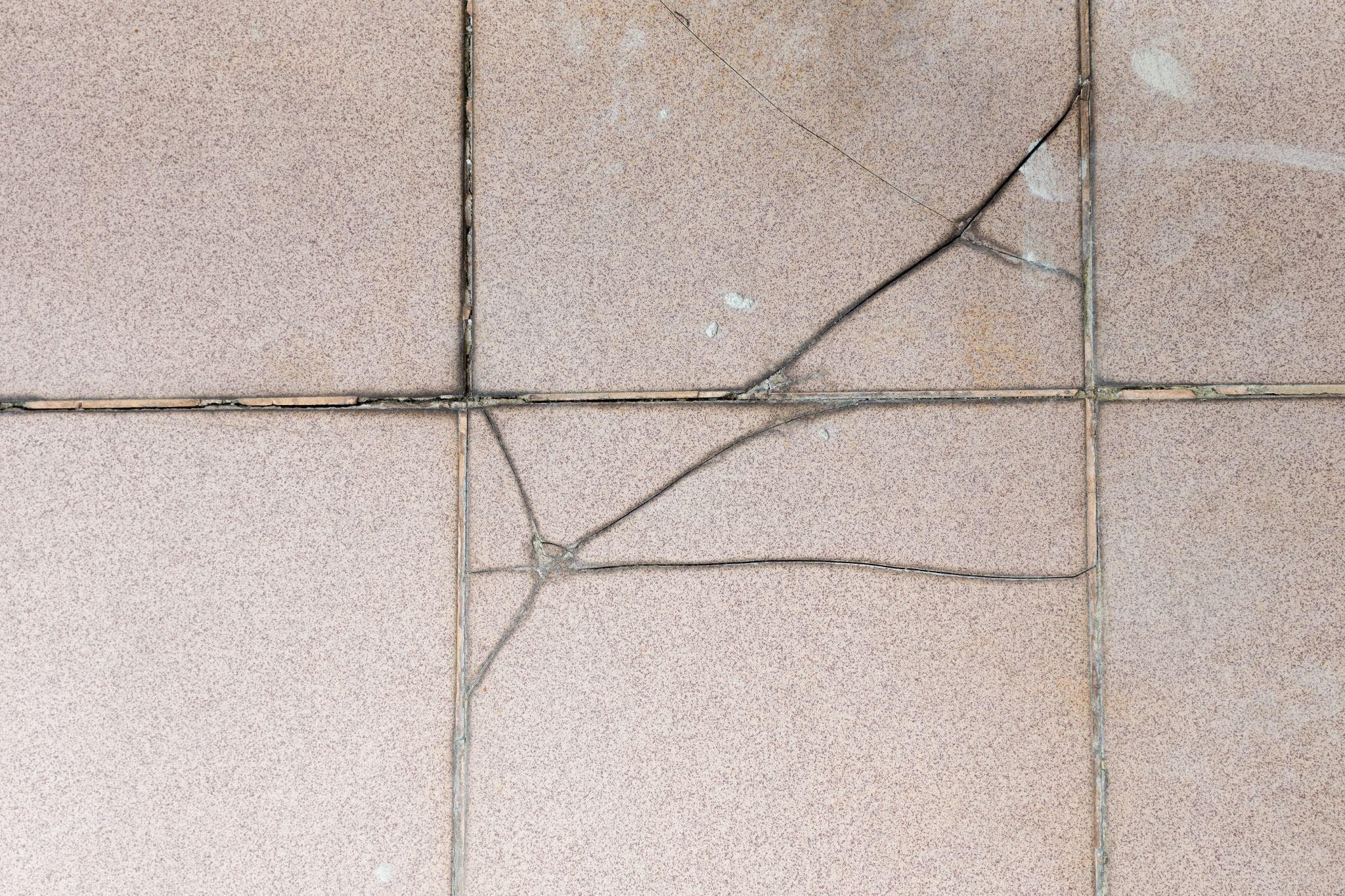
Ideally you should inspect your balcony grout and waterproofing once a year, and definitely after particularly severe weather events. Look out for early warning signs of wear and tear, movement or moisture early so you can address them before they develop into larger (more expensive) issues. Remember leaks can start long before water appears inside your apartment.
Don’t underestimate the importance of grout maintenance. Grout can break down, dry out and become porous over time. That’s why sealing your grout is the key to a leak free balcony — it helps prevent moisture from penetrating the joints and reaching the waterproofing layer below.
Scheduled checks and maintenance like re-grouting and resealing flexible seals will help your balcony waterproofing last longer. Regular maintenance protects your balcony from unexpected damage and expensive repairs in future.
If you’re looking for a trusted tile regrouting specialist near you, Strategic Regrouting services homes across Melbourne. We proudly serve homes across Melbourne, including Albert Park, Caulfield, Carnegie, South Melbourne, Brighton, Windsor, South Yarra, Bentleigh, Richmond, Middle Park, Elwood, Balaclava, Hawthorn, Hampton, Toorak, St Kilda, and Malvern.
We only recommend repairs that are necessary and cost-effective. We don’t want your home suffering any additional water damage. Our repairs improve functionality and appearance of your surfaces.
Our experience has been gained after working on many Melbourne homes. We understand how weather affects balconies and tiled surfaces throughout the year. This enables us to provide you with long-term solutions. From cracked grout to leaking balconies and old seals Strategic Regrouting delivers professional tradesmen services accompanied by clear advice.
Balcony waterproofing should be about more than fixing today’s leak. You also want to prevent future water damage to your home, avoid costly repairs, and prevent unnecessary stress. The right products combined with proper installation and maintenance can keep your balcony waterproof, safe, and looking fantastic for years.
Knowing when to regrout your tiles, refresh your seals or taking action against waterproofing failure sooner can make all the difference to the longevity of your balcony.
Here at Strategic Regrouting we take a practical approach. Our solutions are long lasting and compatible with your existing balcony whenever possible. That can mean professionally applied regrouting, seal refreshing or early intervention when we detect signs of waterproofing failure.
Got a question about the state of your balcony? Noticed cracked grout, leaks or water damage? Now’s the time to give Strategic Regrouting a call.