 1300 855 075
 Free Quote

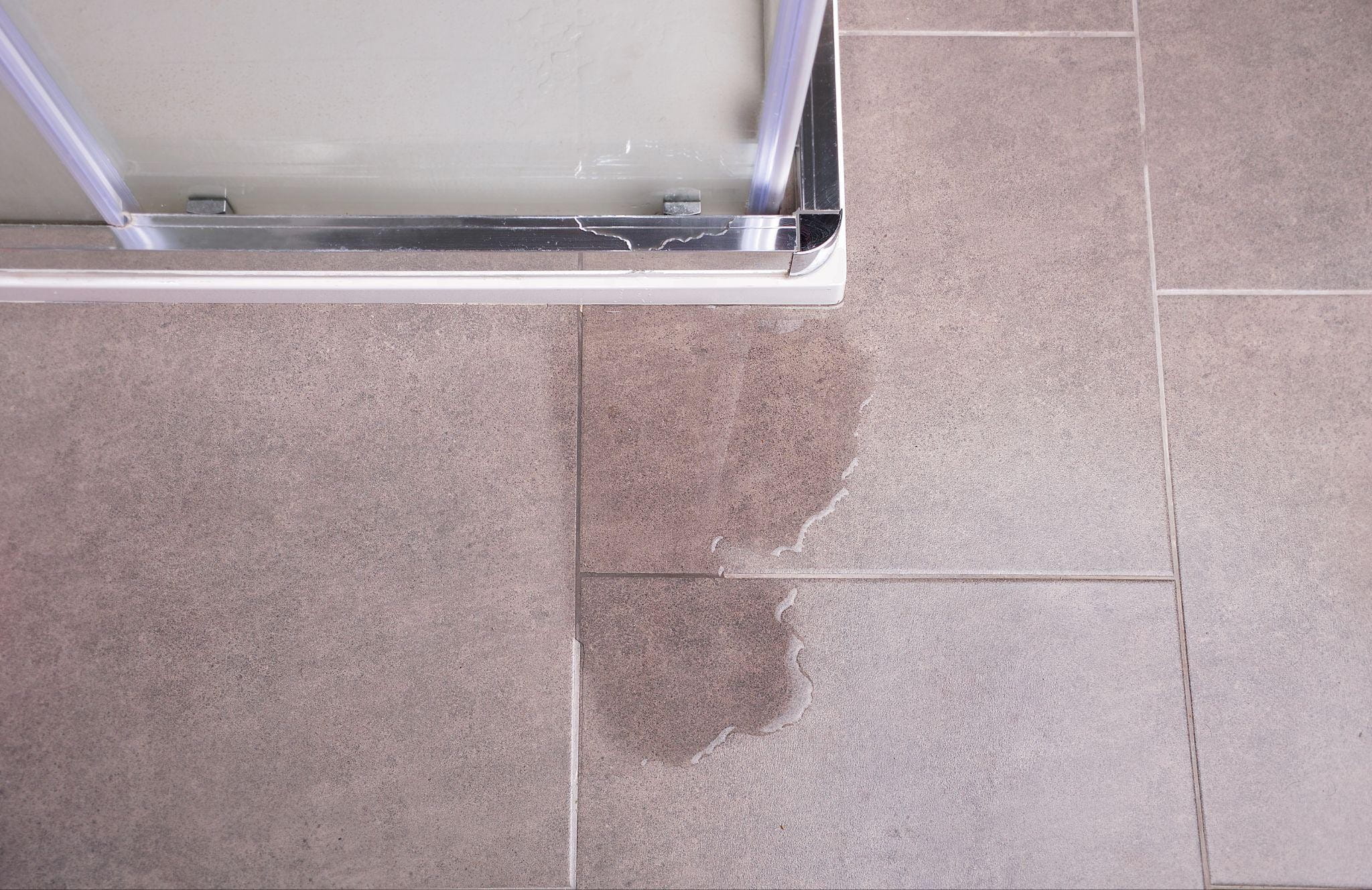

Showers don’t usually leak without warning. Small problems that cause leaking showers are likely to develop over time as bathrooms succumb to general wear and tear. Wet environments that endure high temperatures and extreme everyday use can wear things down. Tiles are strong, but the areas around them aren’t invincible. If sealant or shower grout is cracked, damaged or wears away, water can begin to find its way behind tiles.
Damaged grout can be incredibly common. Grout is porous enough on its own, but cracked grout creates spaces and channels for water to pass through. Tiny cracks in your shower grout can develop from natural shifts in your home’s structure or age. They can also come from habits like pressing your weight against tiles over time. As your grout develops more damage from water creeping underneath, a small crack that was once barely noticeable can become larger.
Another major factor is the impact of heat on compromised grout and sealant. Expanding and contracting with hot water can loosen shower grout and the silicone sealing tiles over time. When silicone sealant begins drying out, shrinking, or peeling away from corners and edges, gaps form. Anywhere water can get through gives it access to get into walls, floors, and beyond.
Here’s some common signs your shower might be leaking:
| Sign | What It Could Mean |
|---|---|
| Damp or discoloured walls | Water is seeping behind tiles and affecting surrounding surfaces. |
| Musty or mouldy smell | Ongoing moisture build-up, often hidden behind tiles or walls. |
| Cracked grout lines | Water can penetrate through gaps and reach the substrate. |
| Loose or lifting tiles | Moisture has weakened the adhesive beneath the tiles. |
| Peeling paint or bubbling plaster | Water damage is spreading beyond the shower area. |
| Water stains on the ceilings below | A more advanced leak is affecting lower levels. |
| Silicone pulling away or deteriorating | Gaps are forming where water can easily enter. |
| Increased humidity in the bathroom | Poor sealing allows excess moisture to escape. |

Shower regrouting can often be the perfect fix for leaks that originate from worn or cracked grout. Provided your tiles are intact and the waterproofing layer is sound, fresh grout can effectively plug the leaks. This solution is much quicker than demoing your entire shower and it fixes the issue right at the leak.
But what if the grout isn’t cracked? Regrouting won’t help if your tiles are damaged. It won’t help if your waterproofing has started to fail. It also won’t help if there are gaps still visible in your silicone corners. If your leak is caused by any of these issues, you may have to do more work after regrouting to fix your leak. Understanding the situations where regrouting is effective is essential to avoid wasting your time, money, and energy.

Professional shower regrouting saves your shower by not having to remove a single tile. To begin, contractors remove old cracked grout while sanitising the cracks between each tile. Once cleaned out they add new grout ensuring that every seam and crack is tightly filled in.
Many showers use silicone around the edges and corners as well to keep water from leaking into joints. Frequently, the silicone sealant around the shower is also redone when you have the grout replaced. Instead of ripping out every tile you can keep that gorgeous tile intact and just refresh the water seal. When your shower is regrouted this way, you walk away with a fully sealed shower ready to protect your walls floors and fixtures from leaks.
We inspect your shower to determine what areas need attention leaking from cracked grout joints, deteriorated silicone caulking or deeper problems. You don’t want to repair what isn’t broken.
This ensures the new grout will properly attach to the tile surfaces. The old grout is scraped out so no remnants are left.
Any dirt, soap residue and mildew is removed, allowing for better adhesion to the new grout.
Then, fresh grout is meticulously applied between each tile, guaranteeing complete coverage. Smoothing out the grout keeps everything flush and ensures a tight seal.
To bolster water resistance, we apply new silicone to the corners and edges.
Once the silicone work is complete, the curing process begins. Once everything is set, water can’t penetrate behind your tiles.
Your technician may advise you on some helpful tips to keep your grout and silicone looking new for years to come. This may include what type of cleaners to use and how to keep your shower working properly.

When you re-tile a bathroom, you have demolition costs, new tile costs, waterproofing, labour and often other unforeseen repairs once you rip everything open. With regrouting you’re going directly after the issues. Using high-quality products such as epoxy grout can also save you money down the road. Epoxy is much less porous than regular grout giving you years of added protection against leaks.
Speaking of time, there’s the obvious reduction in project turnaround time. Renovating an entire bathroom takes time. Often weeks. Between drying times and multiple trades coming in and out of your home regenerating your shower takes time. When you regrout you can often have the refresh completed in a fraction of the time, avoiding weeks of living in a construction zone.
Lastly, there’s the ease on your house. Nobody likes tearing out tile or demoing parts of their home. Plus, the mess that comes along with both of those things. Using new sealing materials and techniques like polyurethane seals, can ensure any weak spots around joints and corners are re-waterproofed without taking your shower completely apart.

A leaking shower isn’t always a disaster, and understanding the nuances can help you make an informed decision early on. Regrouting works well in instances where the shower has not experienced structural damage, and the leaking is occurring at the surface level.
Often, showers that are good candidates for regrouting will have tiles that are not loose but have visible cracks or spots where the grout has worn away. Additionally, you may see areas where the caulking has begun to lift at corners or edges. Seals are supposed to keep water from getting between surfaces, so this points to surface-level water intrusion. Acting at this stage (often the best time to regrout your shower) can prevent the problem from escalating into something far more costly.
The problem with showers that require more involved repair is that you may notice water damage elsewhere, soft walls, or tiles that are loose. These showers have likely exceeded the wear of grout and caulking, and water has absorbed through to the membrane that waterproofs your shower. If that membrane is damaged, regrouting the shower will not fix the leak.

It’s easy to think of regrouting your shower as a simple weekend job. Stores sell markers, sealants and kit products that seemingly offer quick solutions, however, these can only ever act as a temporary solution.
Trying to repair showers yourself can cause more issues further down the track. Installing grout over existing weak grout or mould and moisture can continue to cause leaks underneath. DIY jobs can often have small errors that leave gaps for water to continue to penetrate through.
The key distinction lies in what the professionals do versus a typical home repair. Professionals fully remove existing grout to the correct depths before preparing surfaces and applying a premium-grade grout. This ensures that all joints are sealed and waterproofed rather than given a ‘surface-level’ treatment.
Above all, professional tilers can recognise when there are greater issues at the start of the project and adapt their methods. Unlike a quick home fix, professional regrouting is designed to last, offering benefits that extend beyond the visual appeal of your shower.
If it’s something as critical as stopping a leak, you want experienced professionals who know what they’re doing. At Strategic Regrouting, we specialise in tile regrouting and leak prevention. This means we approach every job with laser focus and an expert-level knowledge of water in tiled areas and how to keep it out.
You can trust the specialists at Strategic Regrouting to detect and fix leaks accurately. This means we don’t just throw some grout at the problem and walk away. We take a look at your shower’s specific condition and use whatever methods are most effective at stopping the leak. Whether that means regrouting, resealing, or both.
Our services are also non-invasive. When we say we specialise in bringing your shower back to life, we mean it. We strive to keep your existing tiles intact whenever possible. Which means less mess for you and a quicker, more thorough job all around.
Water leaking from your shower won’t suddenly stop leaking on its own. In fact, the longer you leave it, the more chance there is of water damage occurring behind the scenes. Hidden mould growth, intensive damage and expensive structural problems can occur over time if you ignore the issue. Leaks can often seem small and harmless at first, but before you know it you could be looking at repairs to walls, floors and neighbouring rooms.
That’s why it’s so important to take action sooner rather than later. Saving money by delaying the repair job can often lead to much costlier renovations down the track.
The great thing is you don’t always have to renovate your shower to get it fixed. Our regrouting services offer a budget-friendly and efficient fix for your leaky shower, restoring it to its former glory without tile removal.
Don’t let a leak escalate any further. If you suspect your shower is leaking, contact us today to organise an inspection with Strategic Regrouting and get professional advice.