 1300 855 075
 Free Quote

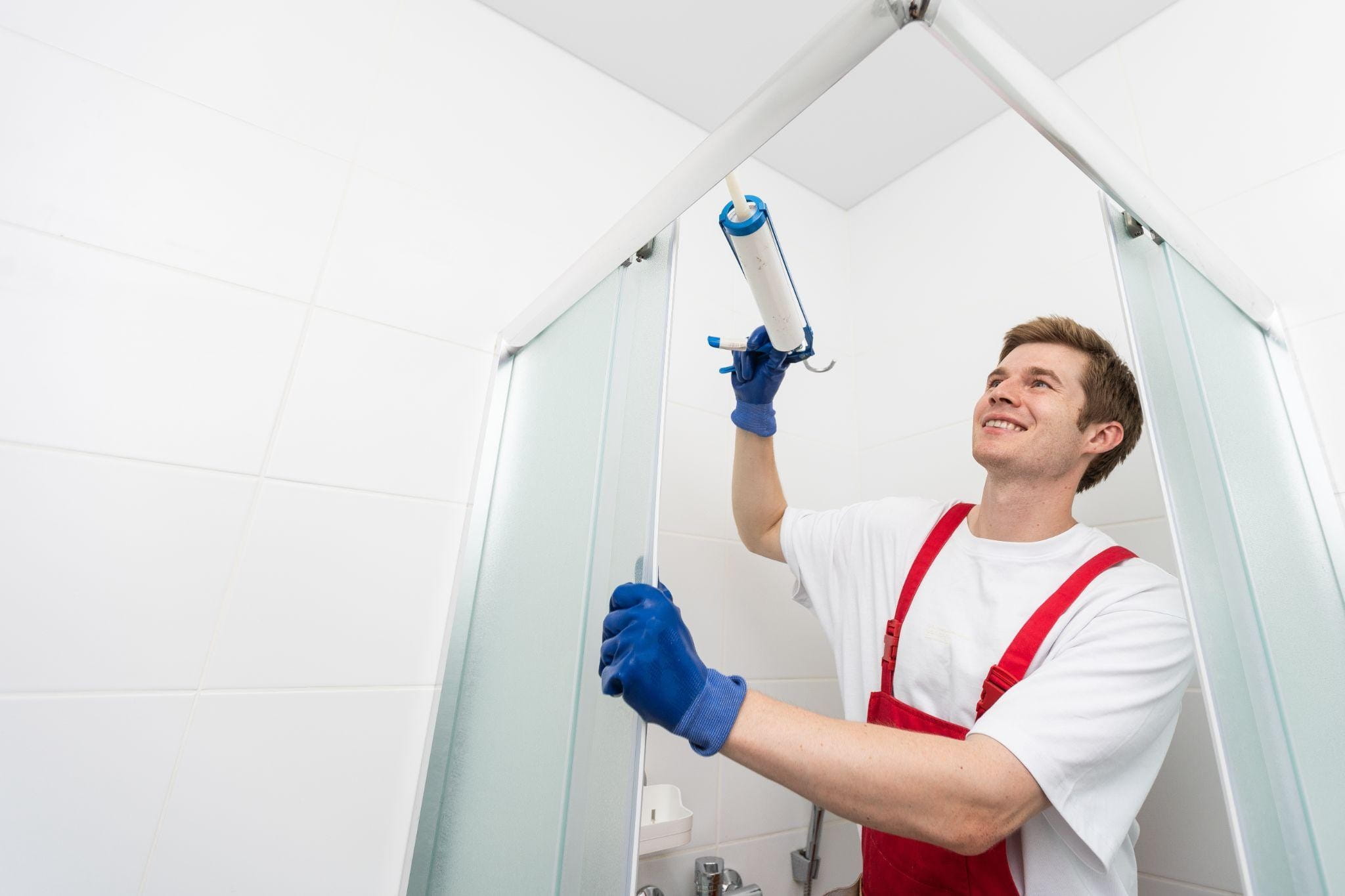

Silicone seals in your shower are extremely important and often forgotten. While grout fills the spaces between tiles, silicone is used strategically in areas that allow for movement. This ensures any movement can be absorbed by the silicone and stops cracks occurring in weak spots.
Corners, joins and edges are silicone playgrounds. Edges where two walls meet. Edges where walls meet floors. Areas around shower fixtures and fittings. Places that are impacted by regular use, changes in temperature and even small building movements. Any corner or edge in your shower without a flexible seal will begin to allow water to escape, even if the tile work is perfectly done.
Silicone seals provide waterproofing by ensuring there is a flexible barrier that moves with everything else. It protects your shower from water escaping when it’s working well. However, when your seals start to fail you’ll notice the same high movement areas will become weak. Ultimately, these locations are prone to problems that usually lead to shower repairs.

The reason silicone wears out faster is because it’s flexible. Grout remains firm all the time, but silicone compresses and expands every time you use your shower. This means there’s more strain on the silicone which can cause it to degrade much quicker.
Repeated expansions from hot showers weaken seals over time. When you shower, heat causes steam and expands building materials. Then as they cool down, they contract. This constant movement slowly deteriorates your sealant, causing it to shrink and peel away from important areas like corners and edges.
Silicone is also at the mercy of the harsh environment of your shower every single day. The constant exposure to steam, heat, and cleaning agents gradually degrades the sealant, particularly when harsh chemicals are used. They can cause cracked grout too, but your silicone is likely to go first because it’s soft.
Age plays a role as well. As silicone ages, it dries out and begins to crack or curl away from your walls and floors. When that starts, water can seep through tiny openings, often before any grout issues become apparent.
If you’re noticing any of these signs, your shower may already be at risk of leaking. Here’s some common signs to be aware of that your shower seal might be failing you:
| Sign | What It Indicates |
|---|---|
| Peeling, cracking or shrinking silicone | The seal has lost flexibility and adhesion, allowing water to get behind the joints. |
| Gaps forming in corners and edges | High-risk entry points where water can escape into walls or flooring. |
| Mould growth along silicone lines | Moisture is being trapped or penetrating behind the seal. |
| Discoloured or brittle silicone | Ageing material that is no longer effectively waterproofed. |
| Silicone pulling away from tiles or fixtures | Breakdown in bonding, creating pathways for leaks. |

Silicone may look like it’s just affecting the appearance of your shower when it begins to deteriorate, however that gap allows water to get out. Silicone is generally placed where issues are most likely to occur, so if there is a gap, no matter how big or small, your shower seal will only get worse if it isn’t resolved.
Water always finds the path of least resistance to find its way out. This will usually be at corners, joins and edges. This allows greater movement and expansion so when silicone starts deteriorating these places allow water access through the smallest gaps. As soon as water finds an escape, it will begin to spread behind tiles and joints undetected.
Same goes for leaking around joins. Tiles themselves are a strong material but once they join up with another surface they require a flexible seal to prevent water from escaping. The point when seals lose that flexibility is when you’ll start to see those joints leaking.
You won’t see the damage water is doing behind your walls or below your shower floor until it’s too late. Swelling, mould and structural damage are common results of trapped moisture. Water will find the path of least resistance so stopping it at the source will prevent any further leaks.
That’s why professional shower regrouting and sealing services can be so beneficial if treated in the early stages.

Silicone and grout are two different materials that typically exist right next to each other in your shower. While they have different jobs to do and behave differently, they also fail differently as well.
Silicone is flexible and grout is not. This means that silicone should be used in corners and joints where surfaces meet but need room to flex, while grout should be used to keep tiles together because it’s strong when compressed.
This also means that silicone and grout have different lifespans. Silicone typically has to be replaced more often than grout does. However, some grouts last longer than others. For example, epoxy grout is more moisture-resistant and durable than traditional grout.
Due to the differences in these two materials, they break down in different ways. Grout can crack or become brittle with age. Silicone can shrink, peel away, or lose its stickiness.
So how do you know when resealing your shower is enough or if you should regrout as well? If water is getting behind your tiles because your silicone is worn or damaged, reapplying it may do the trick. However, if your grout is cracked, damaged, or soaking up water like a sponge, then you should consider regrouting as well.

Replacing silicone might look simple on the surface, but doing it properly is what determines whether the fix lasts months (or years). The biggest difference comes down to what professionals do differently at each stage of the process.
First, there’s the removal of the existing silicone. Professionals don’t just pull up what they can reach, they remove every last bit, down to the root. Any residue mould or build-up left behind will cause your new silicone sealant to fail much quicker.
Surface preparation and drying is another common weak spot of DIY silicone replacement. Silicone seals need a clean, dry surface to adhere to properly. Trapped moisture behind the silicone promotes mould growth and weakens adhesion from the inside out.
Lastly, there’s the application of new silicone to form a watertight seal. The right products are used in wet areas to properly form an even seal, with particular attention paid to problematic areas like corners and joints. The difference isn’t just cosmetic — it’s functional and will hold up to daily wear and tear.

Silicone isn’t indestructible, but proper shower maintenance can make a big difference. Practising good cleaning habits helps prevent leaks and extends the life of your shower sealant.
Cleaning gently will prolong the life of your shower sealants. Harsh cleaners and abrasive sponges will wear down the silicone over time. They can cause it to dry out and peel away from the wall. Opt for gentle cleaners and microfiber towels to protect seals.
Ventilation and drying your shower correctly can also increase its lifespan. Moist environments promote mould growth and wear down building materials faster. Wipe down your shower after use or encourage airflow with an exhaust fan or open window.
You may also want to watch out for these tell-tale signs that your shower needs to be resealed. Even if your shower doesn’t appear to be leaking, discolouration, stiffness, or slight separation can all be signs that you should apply new silicone.
Something that never seems to get old is a leaking shower. To understand why means having experience working with them daily. At Strategic Regrouting we have over 30 years of industry experience specialising in finding the actual source of the leak instead of covering it up. We know the styles of properties and products used locally, meaning we come to your home prepared with knowledge of what we will encounter. We don’t take a one-size-fits-all solution to your home.
Diagnosing the specific location of a leak plays a major part in that. Instead of starting work that may not be needed, we take the time to establish where and why the leak is happening. Is the silicone letting you down, is it the grout wearing away? Or maybe both? That way we make sure you receive the specific solution you need, timely as well. Acting at the best time to regrout your shower can be the difference between a simple repair and a much larger, more expensive problem.
We use high-quality sealants too, including silicone and polyurethane seals. These are waterproof seals that are used in areas with high movement when wet. Formulated to be strong and flexible our products are there to last.
Lastly, we focus on non-invasive repairs whenever possible. All our services aim to leave your tiles intact if we can. We don’t want to disrupt your home any more than it has to be, while still providing you with a service you can trust. We keep it simple by fixing your shower the right way.
Silicone failure is often the first warning sign that your shower’s waterproofing is starting to break down. Left untreated, even small gaps can allow water to spread behind tiles and into surrounding areas — leading to damage that’s far more costly and disruptive to repair.
If you’re looking for a trusted tile regrouting specialist near you, Strategic Regrouting services homes across Melbourne. We proudly serve homes across Melbourne, including Albert Park, Caulfield, Carnegie, South Melbourne, Brighton, Windsor, South Yarra, Bentleigh, Richmond, Middle Park, Elwood, Balaclava, Hawthorn, Hampton, Toorak, St Kilda, and Malvern.
If you’ve noticed signs of failing silicone or a potential leak, now is the time to act. Contact us today to book an inspection with Strategic Regrouting and get a clear, professional solution before the problem gets worse.