 1300 855 075
 Free Quote

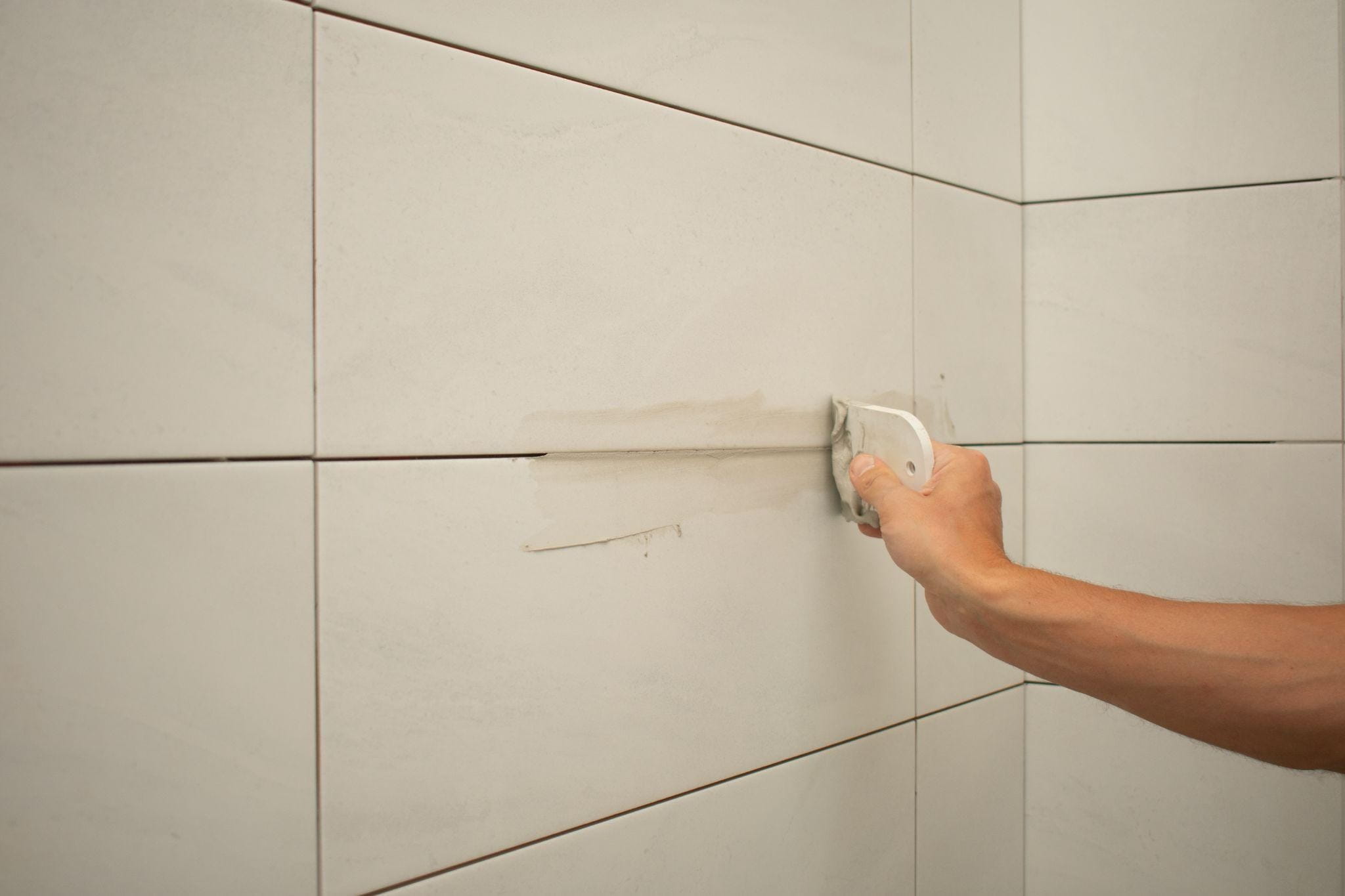

Not only does shower regrouting help outdated tiles look fresher, but it also provides an important barrier between your shower and water damage. Failing grout and sealants can lead to leaks, mould and structural damage if left untreated.
Cracked grout allows moisture to penetrate tiled areas and seep into the underlying surfaces. This often leads to concealed water damage, soft spots in substrate materials, mould and other expensive repairs that involve more than just the shower tiles.
Grouting restores tiled surfaces by removing old grout, cleaning the area and applying new grout that’s designed to handle regular exposure to moisture. Correct sealing and finishing can also help prevent leaks in corners and along joints.
It’s not just what you use to grout your shower, it’s how you apply it. Refrain from taking shortcuts by grouting over existing grout, rushing the curing process and skipping steps like cleaning out the joints. These shortcuts can compromise the lifespan of your shower’s grout.
Proper shower regrouting can help you avoid costly renovations by increasing longevity, improving hygiene and reducing the likelihood of mould and moisture problems. It can also restore your tiles to a clean, fresh look.
If your shower is showing signs of wear, mould or leaking, it may already be due for regrouting.
Use the table below to identify the severity of the issue:
| Sign | What It Means | Severity |
|---|---|---|
| Cracked or Crumbling Grout | The grout has deteriorated and is no longer sealing the tile joints properly, allowing moisture to enter. | High |
| Mould or Mildew in Grout Lines | Moisture is being retained in the grout, often due to breakdown of the surface or poor ventilation. | Medium – High |
| Discoloured or Stained Grout | Long-term exposure to water, soap scum and bacteria has penetrated the grout surface. | Medium |
| Tiles Feeling Loose or Shifting Slightly | Water may be affecting the adhesive or substrate behind the tiles. | High |
| Water Leaks or Damp Patches Outside the Shower | Indication that water is escaping the wet area due to failed grout or sealing. | Urgent |
| Missing Grout in Sections | Exposed gaps increase the risk of water damage and structural deterioration. | High |
| Silicone Pulling Away | Sealant failure at junctions commonly leads to leaks in high-movement areas. | High |
If you notice any of these signs, your shower may already be at risk of water damage and should be assessed as soon as possible.
Book an inspection with a professional regrouting specialist.

Professional shower repair isn’t as simple as removing existing grout and applying new grout in its place. High-quality results are achieved by using the appropriate tools and materials combined with thorough surface preparation to make sure that your new grout will adhere correctly and hold up against daily exposure to moisture.
First, specialised grout removal tools are utilised to carefully remove old grout without harming tile surfaces. This requires a certain level of finesse as being too heavy-handed with grout removal methods can result in damaged tiles or loose joints.
After the grout is removed, professional-grade cleaners and surface preparation tools are used to remove any residual dust, soap scum, mould, or moisture from the joints. This step is crucial for the new grout to adhere and finish properly.
The type of grout that is used also determines how long your shower regrouting will last. Based on the shower’s condition and amount of exposure to moisture, your technician may recommend using either cement-based grout or epoxy grout. For showers, many technicians prefer to use epoxy grout due to its superior stain, mould, and water resistance.
Quality silicone sealants are also an important factor when they are applied to corners, edges and movement joints. These sealants provide flexibility and help prevent water from getting into small areas around the shower. In some cases, waterproofing sealers may also be used to help protect porous grout lines.
When you use high-quality tools and materials your shower will look great and be protected for years to come.
Whether you’re looking to repair your shower, tub surround or add that finishing touch to your bathroom renovation, it’s important to understand the shower regrouting process. You can expect a good tradesperson to detail these steps for you prior to beginning.
Before any work commences on your shower, a visual inspection allows us to see the condition of existing grout, silicone and tiles. We’ll work out where problem areas are likely to occur, like cracking and mould, as well as identify leaks or underlying problems.
Any cracked or damaged grout will be removed using specialist tools. This ensures that when new grout is applied, it can create a solid bond to form a permanent seal between the tiles.
Once the old grout has been removed, the joins between tiles are cleaned to remove dust, soap scum, mould and other debris. Next, we allow the surface to dry before applying the new grout.
We mix the new shower grout according to the instructions provided by the manufacturer to ensure the correct consistency. There are different types of grout available so we will select the right one depending on your shower’s condition and requirements.
The fresh grout is carefully applied into all joints, ensuring full coverage and even distribution. This step is carried out with precision to achieve a smooth, consistent finish across all tiled surfaces.
After applying the grout, we tool the joints to remove any excess grout and shape the joints neatly. Any leftover residue is cleaned off the tiles before allowing the grout to cure for the first time.
Lastly, the grout will be sealed if required and silicone used to neat any edge joints. All jobs are completed with high-quality silicone to ensure your shower is waterproof.

When building or renovating a shower, the choice of grout can have a significant impact on the longevity and performance of your shower surface. Two of the most popular types of shower grout are epoxy grout and cement grout. While these two products are designed for similar applications around the bathroom, they have many differences in terms of longevity, maintenance and water resistance.
Cement grout is one of the most traditional styles of grout. It’s affordable and easy to apply, which is why you’ll find it used in countless homes across Australia. When installed properly and maintained regularly, cement grout can work well in low-moisture areas of your bathroom or when sealing is done regularly.
However, cement grout is naturally porous, which means that over time it will absorb moisture from your shower. This makes it weaker and more likely to develop stains, mould and discolouration if adequate maintenance isn’t performed.
Epoxy grout was created to withstand wet areas like showers. The biggest benefit of epoxy grout is that it’s non-porous and extremely water-resistant. Not only does this make it incredibly resilient to mould and stains, it also resists chemicals and won’t degrade after years of contact with water. Overall, epoxy grout is much harder-wearing and longer-lasting than traditional cement grout, especially in bathrooms with high traffic levels or poor ventilation.
The main downside of epoxy grout is that it’s more difficult to apply than cement grout. Epoxy grout also typically costs more than cement grout, so the initial out-of-pocket expense is higher. Epoxy grout requires a steady hand and experience to apply it correctly, as you need to ensure the shower surface is clean and free of excess grout residue.
If you’re on a budget, cement grout is likely to meet your needs if you take the time to seal and maintain your grout surfaces. However, if you want the longest-lasting grout with the least maintenance, go with epoxy.
When correct steps are missed or incorrectly done during shower regrout installation the regrout can fail early. Most problems with shower grout that occur several months or years down the track are due to incorrect preparation, installation or poor quality products being used.
Here’s some of the most common:
1. Not removing existing grout and applying new grout over the top is another common issue we see with shower regrouting. When new grout is applied over old it will only bond to the bottom layer of existing grout. This results in poor adhesion and will cause the grout to crack and become loose over time as well as allow moisture through.
2. Failure to clean the tiles and tile joints properly before regrouting will cause the new grout to lose adhesion. Dust particles, soap scum, mould and moisture within the joints can drastically decrease the life of new grout.
3. Installing the incorrect grout can cause early breakdown. Shower grouts that are not designed to withstand constant moisture can become stained, mouldy and porous.
4. Incorrect curing of the grout can also be an issue. Using the shower before the grout has cured properly will affect how moisture is absorbed by the grout. Running water over grout that has not cured will weaken the grout.
5. Incorrect silicone application around corners and movement joints can cause leaks. Silicone is the material of choice for corners and movement joints as it’s flexible and handles moisture well.
DIY shower regrouting jobs often run into trouble because homeowners rush the prep work and use the wrong tools. Professional shower regrouting focuses major time and effort on surface preparation. Getting the right angle and consistency during installation creates a quality finish that will stay waterproof and look clean.

There are plenty of Do It Yourself shower regrouting kits on the market, but shower regrouting isn’t always as easy as it seems. If you want your shower to look nice and be waterproof then there’s a lot more to it than simply matching colours. Preparation is key, as is using the right materials and installing them correctly.
It’s common for DIYers to only take care of what they can see on the surface. What about moisture trapped behind tiles, rotten silicone or damaged and loose grout below the surface? Such oversights are common among those attempting the job without professional guidance. Other reasons DIY jobs fail include not taking out all the old grout, not cleaning thoroughly or allowing the correct amount of time for grout to cure.
Professional shower regrouters have the tools to remove existing grout safely without damaging tiles. They know how to prepare shower areas before grout is applied and they know which grouts and sealants are best for your showers conditions/tile types and moisture levels.
Don’t let the perceived cost savings of DIY fool you. Badly done regrouting jobs often need to be fixed or lead to continual leaks or grout not lasting as long as it should. Professional regrouting gives you a much better finish, and better peace of mind that your shower has been done right.
Australian weather can vary dramatically with temperature and seasons causing humidity in homes. In addition, Melbourne properties tend to be older which can lead to bathroom issues with aging grout, mould and cracked silicone.
Degraded grout, mould and failed silicone is common in older bathrooms across Melbourne. Years of wear and tear as well as poor ventilation have caused many bathrooms to experience these issues.
Due to age, existing grout can be porous or weakened, especially around showers which are constantly subjected to steam and moisture. Bathrooms with little airflow will also encourage mould and faster breakdown of grout.
Bonded movement can also occur in apartments or higher-density buildings in Melbourne which can cause tiles to move and grout to crack or separate from corners and joints. Silicone sealing and waterproofing membranes can help to prevent these issues.
Melbourne’s weather can also cause bathrooms to hold moisture longer during cooler seasons. Regular maintenance and regrouting can help prevent leaks and water damage.
By knowing these factors, our bathroom regrouting experts can provide better advice on what products, sealing techniques and cleaning regimes are best to keep your showers looking great and watertight for longer.
Shower regrouting usually takes around 3–6 hours. Depending on shower size, the condition of your existing grout, and if silicone needs to be removed and replaced as well. Again, if your shower is exceptionally large or damaged, it could take longer.
With proper installation and maintenance, you can expect shower regrout to last anywhere from 8–15 years. However, if you notice cracking, discolouration or mould and water damage, you should repair it sooner.
You should never simply apply new grout over old grout. Doing so will not form a proper or strong bond. The original grout must be removed so the new grout can effectively fill in the joints and form a waterproof seal.
Wait at least 24 hours before showering again after the tiles have been regrouted. This gives the grout enough time to cure properly. Speak to your professional after they have finished to get product-specific guidelines if you aren’t sure.
Typically, if you use cement-based grout you should seal the grout after installation. Epoxy grout is a non-porous material so it usually doesn’t require sealing. Regardless, sealing grout in showers and wet areas is always beneficial.
Regrouting is when the shower grout is removed and replaced. Resealing refers to when the silicone joints around the edges, corners and fixtures are replaced. Waterproofing is an entire membrane system that prevents moisture from penetrating behind tiles.
Yes, regrouting can stop leaks in showers. If your grout is cracked or has failed along with your silicone, regouting should fix it. If moisture is coming through behind tiles from failed waterproofing or building defects, regrouting will not fix the issue.
Epoxy grout is extremely durable, stain-resistant and waterproof. It’s ideal for showers and wet areas around your home. Although more expensive and difficult to install than traditional cement grout, epoxy grout can be worth it in the shower.
Our team at Strategic Regrouting specialise in shower regrouting throughout Melbourne, using industry-tested techniques and high-quality products to deliver durable outcomes. From small areas of worn grout to heavily deteriorated showers, we can take a look at your space and advise on what needs to be done.
A small leak can turn into a bigger problem. If you suspect your grout is failing, contact us today to organise an inspection with our friendly team and get professional advice.