 1300 855 075
 Free Quote

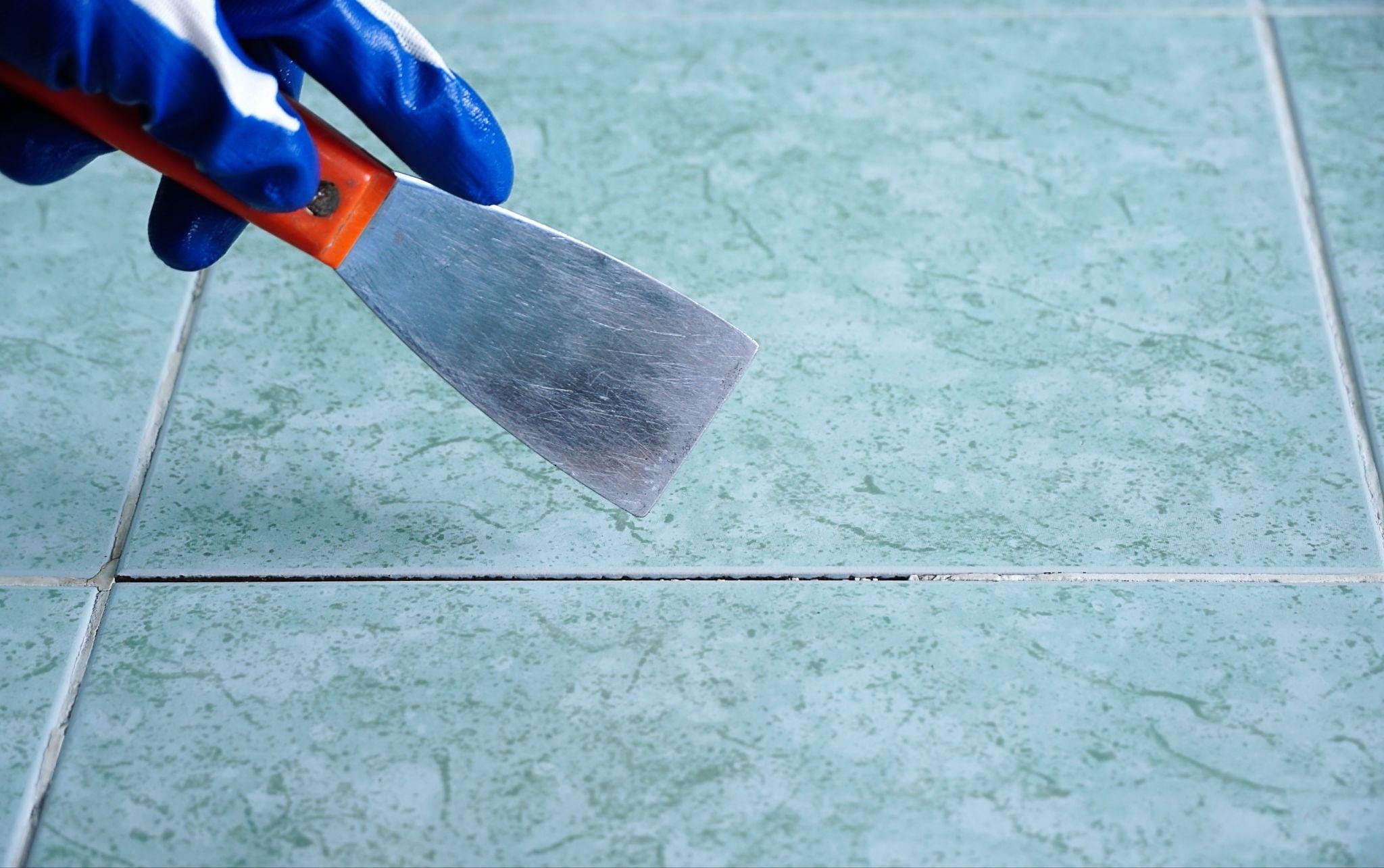

Winter doesn’t mean that you need to automatically delay regrouting. The question you need to ask is whether conditions will suit the grout (or other products) that you will be using. Grout takes time to cure, and cold weather can impact this. Moisture can also prove harder to control during Melbourne’s cold and wetter periods.
Particularly when comparing inside and outside jobs. The bathroom inside your home offers a significantly greater degree of control. There is no rain, and ventilating and heating the space is far easier.
A balcony is at the mercy of Mother Nature. Does that mean that all outdoor projects should be left until summer? No. It means that timings and conditions need to be considered prior to starting work.
Taking a professional approach to grout repair in Melbourne will always involve looking at the area you’re working with rather than dismissing winter as a hard stop.
Cold weather doesn’t simply make grout “bad”. Instead, lower temperatures and increased moisture can affect the conditions in which grout and other building products cure and perform.
Most grouting products come with an ideal temperature range for both installation and curing. The colder it is, the longer grout can take to cure.
Why does this matter? If grout doesn’t have time to properly set, it doesn’t develop the properties it’s supposed to. Jumping the gun and washing your newly grouted tile before it’s ready will compromise your final results.
That’s why grouting in winter has to factor in the instructions provided by the manufacturer, rather than just leaving grout to dry.
Melbourne winters are synonymous with rainfall and humid conditions. Even if it isn’t raining the surfaces can take longer to dry out. In an indoor shower, this can be caused by condensation, existing moisture or poor bathroom ventilation. Outdoor issues become more complicated as rain or overnight moisture saturation can impact both the substrate and completed works.
Before shower regrouting can occur, the surface needs to be correctly prepared and dry enough for the products being used.
Another thing to consider is that shower regrouting isn’t waterproofing. Replacing old grout can make the tiled surface look new again but won’t fix an underlying failed waterproofing system behind the tiles.
This tends to occur frequently with balconies and leaking showers. Instead of assuming moisture is getting through where the grout meets the tile, work needs to be done to discover where the water is coming from.
Balcony waterproofing repairs in Melbourne homes often require may require more than checking grout conditions.
Shower regrouting indoors is one of the easier jobs to complete when thinking about regrouting during winter. It doesn’t have the exposure of an outside balcony which means rain and outdoor weather isn’t a factor. This makes it easier to establish good conditions for preparation, application and curing.
There are a few things shower regrouting specialists in Melbourne will look for before beginning the job.
Consider your own shower by asking these questions:
If the existing grout has been removed and the joints are prepared properly, new grout can be applied in the ideal conditions. The shower should then be left unused for the recommended period of time which will allow the grout to cure. During winter, this is particularly important as the process may take longer.
A leaking shower shouldn’t automatically be approached as just a grouting issue. While worn-out grout can be one of the reasons water is escaping from your shower, there are leaks that can occur due to failed silicone, movement, or damaged waterproofing around the shower.
So if your shower is leaking, actively replacing the grout may not fix the issue if you haven’t found the cause of the leak. That is why, for leaking shower repairs, Melbourne homeowners sometimes contact us, as we can evaluate your entire shower rather than just replacing grout that looks damaged.
Just because water is already getting where it shouldn’t doesn’t mean winter is a reason to avoid correcting the issue until spring.
Winter can present extra challenges for balcony regrouting jobs. Since the area you’re working on is exposed to the elements, you can’t control the environment around it like you would with something like an indoor shower.
From rain and chilly weather to humidity and overnight dew, they can all impact when you’re able to work and how you should care for the area once you’ve finished. Paying attention to the weather report is key when planning your balcony regrouting projects here in Melbourne.
An appropriate day for outdoor regrouting is not just any day that it isn’t raining. The tiled surface and substrate condition should also be taken into consideration. If there is moisture on the ground due to recent rainfall, there may not be ideal conditions to start the job.
A professional may need to consider:
These are just some of the factors that play into deciding whether or not today is a good day for outdoor regrouting. This is why an outdoor regrouting project may need to be rescheduled even if the weather seems fairly decent.
Replacing grout is not always the answer if your balcony leaks. Moisture can penetrate through failed or damaged waterproofing, movement joints, cracking or other balcony system components. Cleaning out the old grout and replacing it with new grout is cosmetic. If water is entering through a waterproofing failure beneath the tiles, replacing surface-level grout is not going to solve your leaking problem.
If there is continuing water penetration, your leaking balcony repair will need to target the cause of the problem, not just what the grout looks like on the surface. Depending on the situation, the solution could include waterproofing work as well as regrouting, or in some cases just waterproofing.
Winter regrouting isn’t about avoiding every cold day. It’s about recognising when the conditions aren’t suitable for the work.
Any surface should be prepared properly and suitable for the products being applied. Just because it’s possible to force grout into position when conditions aren’t ideal, doesn’t mean that you should. A successful finished result can be affected if you don’t allow enough time for it to cure.
Grouts and products that go with them can have different application and curing requirements. Don’t assume that all grout works the same way. Refer to the manufacturer’s instructions for the product you are installing to ensure you get the best result.
We know it can be tempting to get the shower back into use ASAP, especially if your client only has one bathroom! But once grout has been applied, it still needs time to fully cure. If the shower is used too soon, you risk exposing it to water that can soak into the grout before it has had a chance to cure.
Just because your balcony is dry when you start work doesn’t mean there isn’t moisture lurking in the surface. Or that it won’t rain later in the day. If the weather forecast looks unpredictable or downright awful, it’s probably better to reschedule rather than playing roulette with your tiled finish.
We see this a lot. Waterproofing needs to be intact prior to regrouting. If water is getting somewhere it shouldn’t, grout is likely to be the last thing that needs replacing.

Whether spring is the best time to undertake repairs depends on the state of the area concerned, rather than the date on the calendar. For grout that’s simply showing its age or is a bit discoloured, delaying until it’s warmer and drier could be the right call, especially for an exposed outdoor location.
However, cracked, missing or crumbling grout is usually cause for more urgent repair, as is evidence that water is leaking from your shower or balcony. If winter weather is stopping you from assessing the problem, any damage caused by the underlying issue will continue unabated.
The important question is therefore:
If the situation is purely aesthetic, you can probably afford to wait a couple of months. If we’re talking about a genuine problem, it’s best to understand the details before making a call.
At worst, an assessment will give you peace of mind. At best, it will let you know if the repair work can go ahead as early as next week, what sort of conditions are needed before working can begin or if another repair solution is needed.

Regrouting in winter isn’t just waiting for a dry day before slopping some grout down. Depending on the condition of your existing tiled area, the environment you’ll be working in and the needs of your products, a professional will need to carefully assess the situation before commencing work.
That means taking into account the conditions before jumping in and starting work with the mentality that every job can be done the same way, every time. Indoor shower repairs may require additional planning around ventilation, existing moisture levels and how to keep the shower dry while the new grout cures. Working on balconies and other exterior areas means your prep work needs to factor in the weather, surface moisture and what the upcoming forecast looks like for curing time.
Professional regrouters can also advise whether regrouting is even the right solution. If there’s a leaking shower or water is constantly getting into your balcony, simply fixing what you can see may not fix the actual problem.
Some days the best course of action is just to get the job done. Other days, waiting for better conditions is the safest bet. And other times, the problem may need an entirely different solution.
Winter is not necessarily a time to have to wait until spring to have your shower, bathroom or balcony regrouted. If you have damaged or mouldy grout which is leaking or showing signs of water penetration, Strategic Regrouting can take a look at the area and decide if regrouting will solve the problem.
We will take into account the condition of the existing grout, the area being repaired and conditions needed for the repair to happen before suggesting what needs to be done. If it’s too cold to regrout outside, we won’t start the job in poor conditions, we’ll advise.
If you require regrouting services in Melbourne during winter months, contact Strategic Regrouting to discuss your repair.