 1300 855 075
 Free Quote

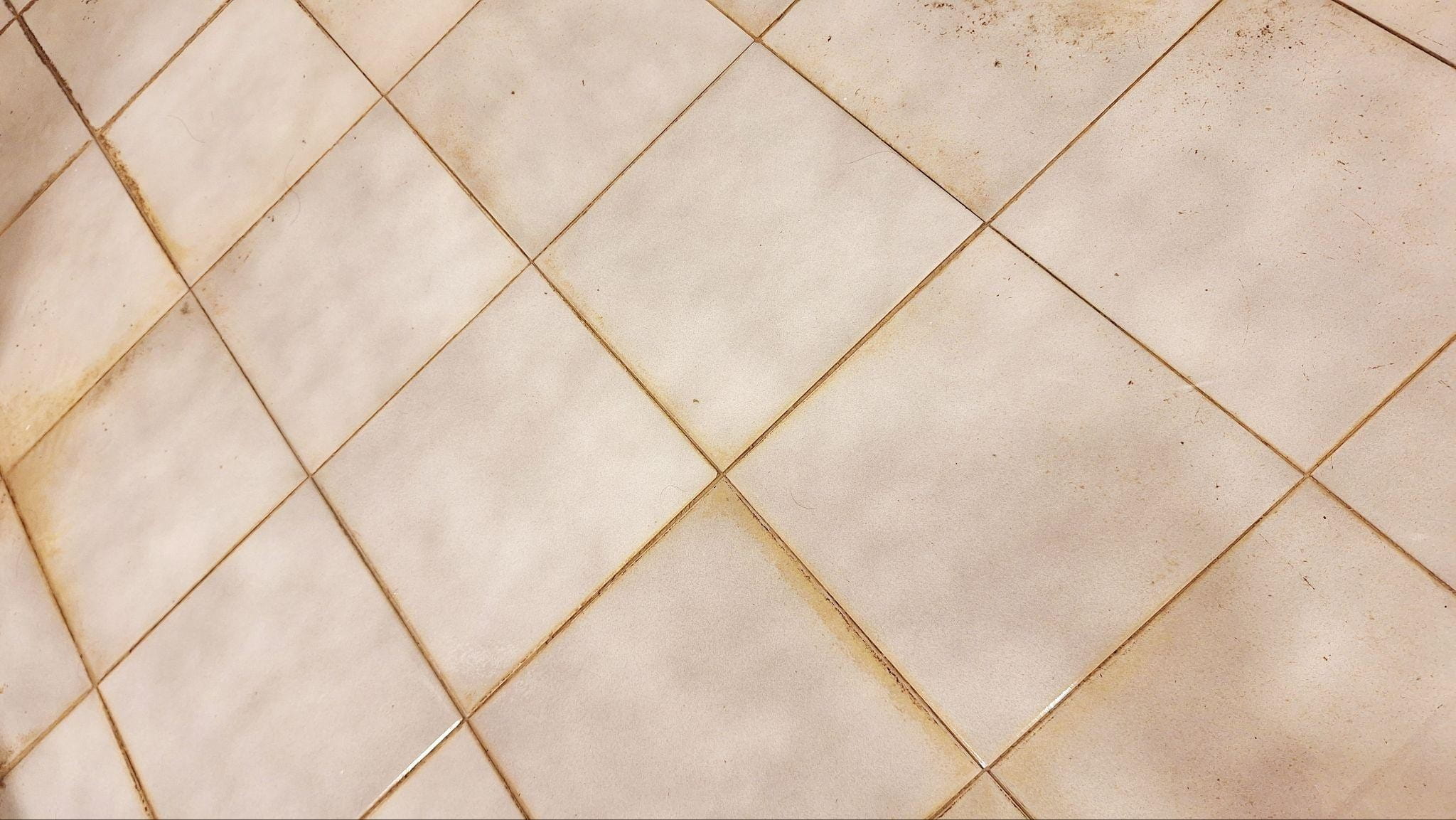
Summer heat has a funny way of amplifying issues you never knew existed. One day your bathroom looks completely fine, and the next you’re staring down at dark grout lines, noticing unsightly hairline cracks, or that mysterious odour that won’t disappear no matter how much you scrub. Grout problems are surprisingly common in Australian homes, with most people first noticing an issue during the warmer months when showers become steamier, tiles don’t dry as fast, and even small imperfections seem more noticeable.
Especially frustrating for many homeowners is when the tile itself is still intact and looking glossy — but the entire bathroom gives off a weary, unhygienic vibe, or feels “kind of dirty” all the time. It’s a common story we hear here at Strategic Regrouting. Clients spend weeks scrubbing harder with different cleaners and products, trying to fix what they think is a stubborn stain, only to find out their grout has actually worn away beneath the surface.
If your bathroom grout is cracked, discoloured or trapping moisture between tiles, summer is the perfect time to get it sorted. While booking in professional tile re-grouting will have your bathroom looking showroom-new once more, doing so can also stop moisture damage, mould growth and expensive repair jobs down the line.
Heat can cause hidden grout problems for a variety of reasons. Whether it’s expanding substrate materials, trapped humidity or dramatic temperature fluctuations, seasonal changes can cause your tiles to deteriorate faster than you might think.
Let’s take a closer look at exactly how your tiles are affected by temperature, and what you can do to keep your bathroom looking (and smelling) its best.
Table of Contents
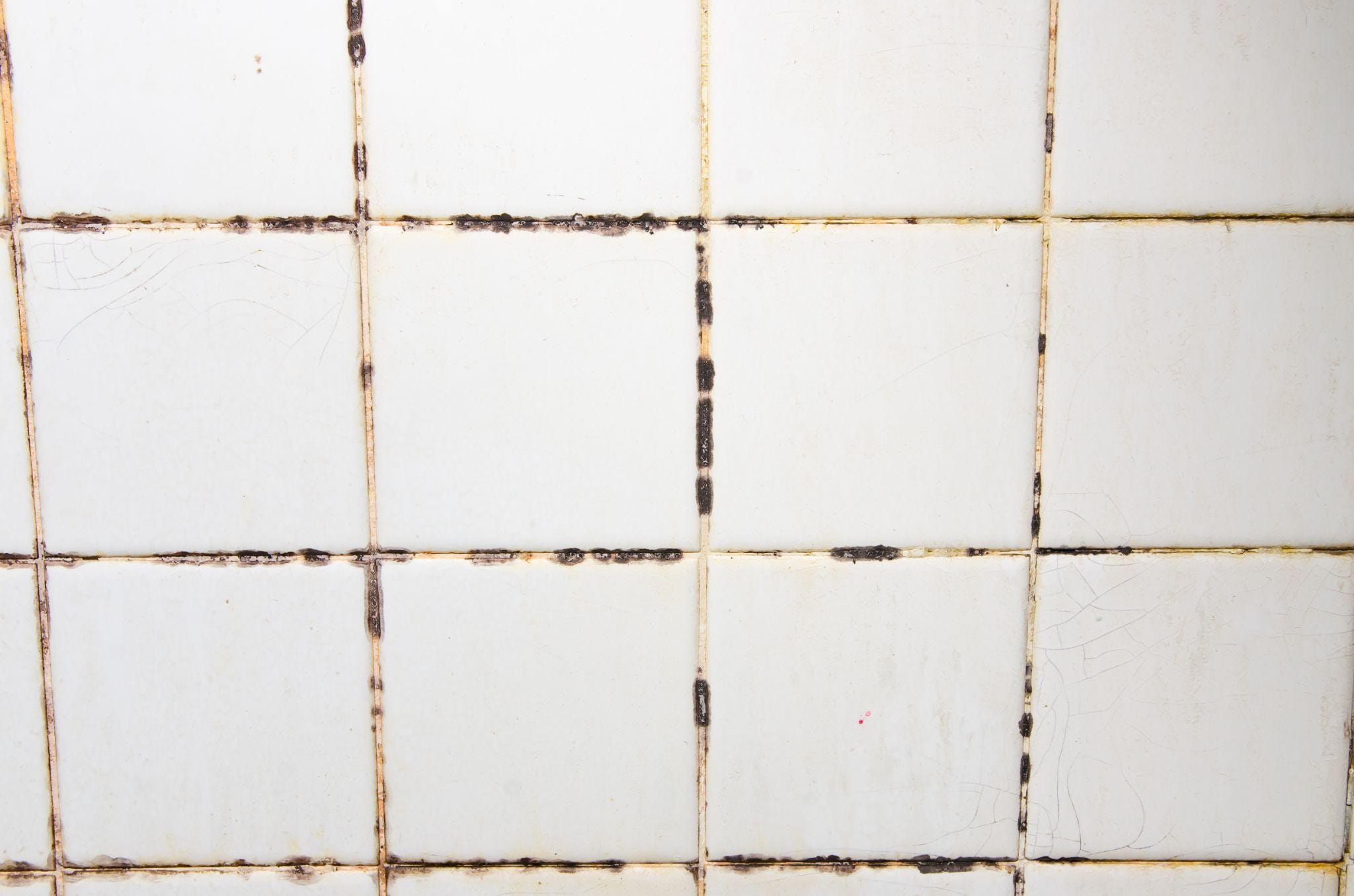
Grout may seem strong and durable, but grout isn’t solid; it’s porous. Which means summer takes its toll year after year. Daytime heat causes grout and tiles to expand, only to contract again when temperatures cool at night. Repeated expansion and contraction gradually weaken grout, causing small cracks to develop over time while your tiles can stay intact.
Summer heat and humidity can also affect grout. Showers produce more steam in summer, especially if someone takes a hot shower. Bathrooms don’t fully dry in between showers like they would during cooler months, either. Weak grout absorbs that extra moisture and breaks down much faster than expected, leaving your bathroom vulnerable to crumbling grout, stains, and mould that seem to multiply overnight. Moisture gets trapped between cracks and tiles; what starts as a small, hidden problem can become a large-scale issue quickly.
You may also notice your family uses your bathrooms more in the summer. More showers means more moisture and steam, and without full drying time in between uses. Heat and humidity compound the problem, breaking down ageing grout even quicker than normal. It all adds up to greener spots, mildew smells, and damaged grout that’s noticeable much faster than any other time of the year.
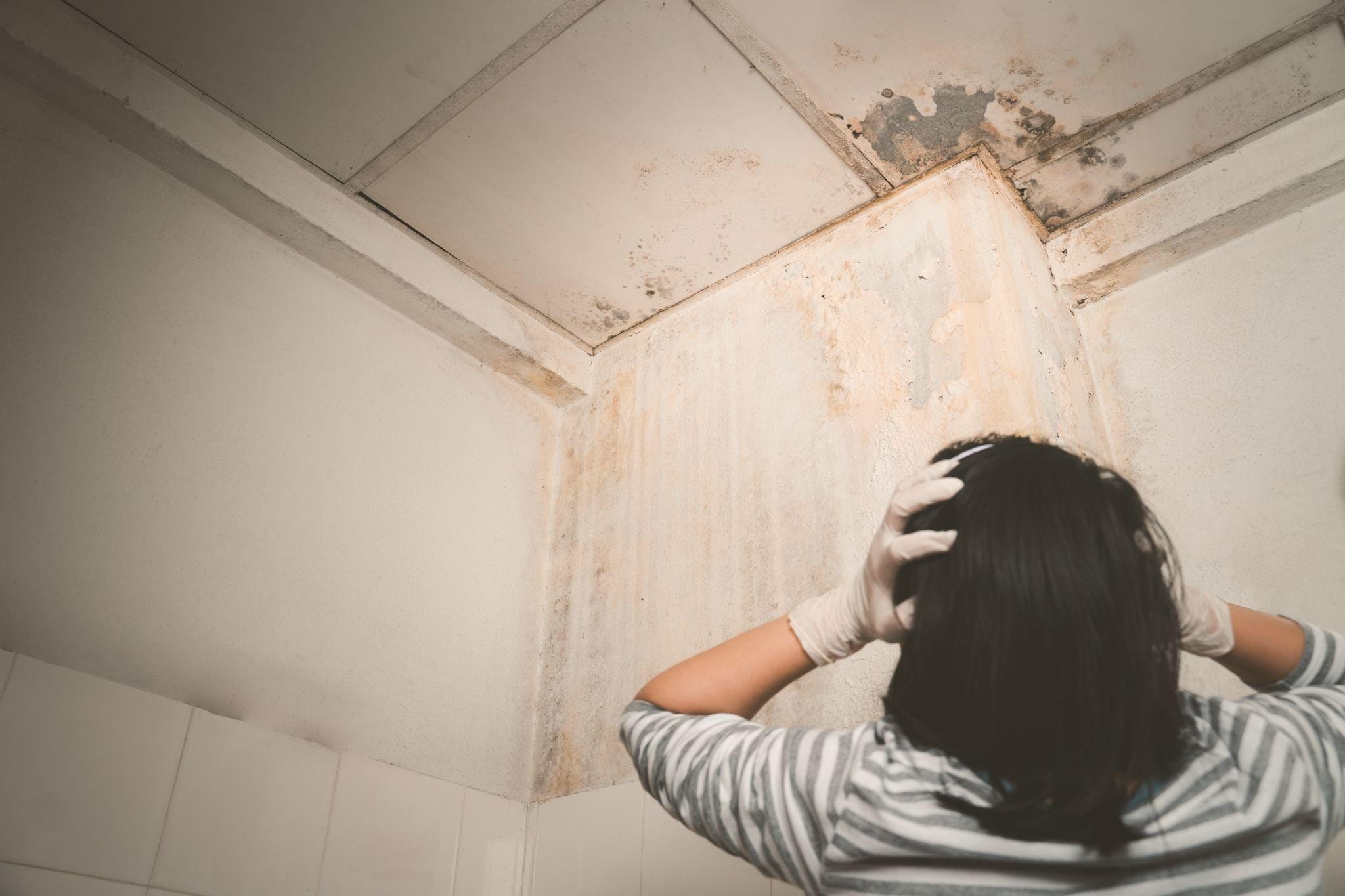
Tile and grout respond differently to seasonal changes in temperature. Tiles are dense and don’t move much, but grout is more flexible and more porous. That means when temperatures rise and fall (even daily), your tile and grout expand and contract at different rates, putting stress on the grout lines. Movement is one of the leading causes of cracked grout.
Over time, this process loosens the connection between the grout, tile, and substrate. The problems aren’t always visible right away. Instead, the grout deteriorates from within until it becomes brittle or dusty (while appearing solid on the surface). That’s why failed grout often seems to happen overnight.
Temperature changes also impact what’s happening under your tiles. Movement creates small openings for moisture to penetrate below tiles and get trapped. Once there, it can’t evaporate and leads to grout degradation, adhesive failure, and long-term damage — even if your tiles aren’t loose or falling off.
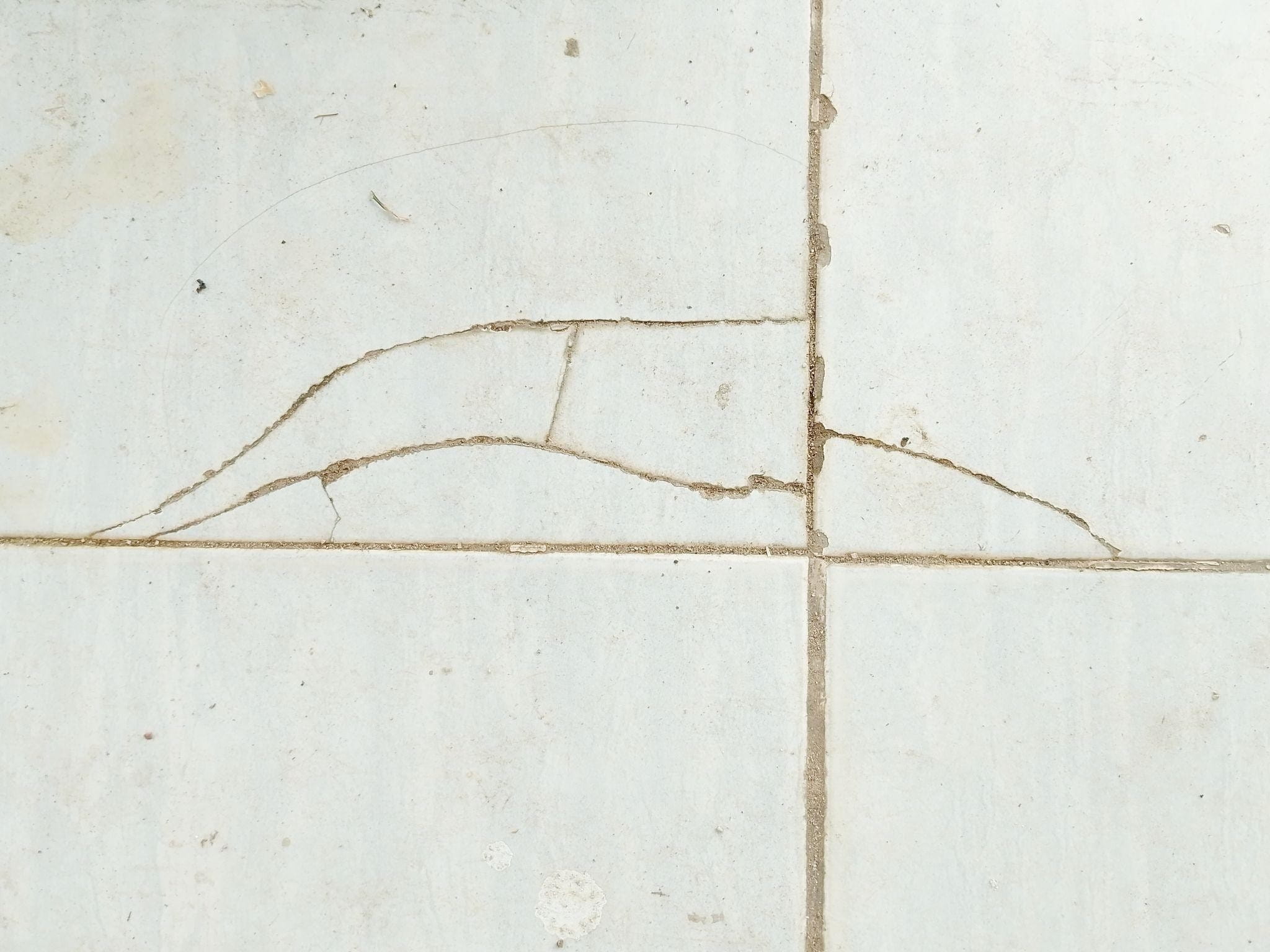
When grout is weakened, even slightly, normal thermal fluctuations start to take its toll much quicker. Rather than moving together as a solid plane, weakened grout begins to microcrack and these cracks continue to expand. Microcracking and fracture behaviour of grout happens when tiles and grout can no longer expand and contract under normal conditions without fracturing.
The further microcracking continues, the easier it becomes for water to permeate into the grout lines and beneath tiles. Continued cycles of heating, cooling, and saturation allow for the grout to fracture further, turning hairline cracks into visible cracks, crumbly grout, or even missing grout. At this point, cleaning or re-sealing the surface will do no good.
If left unattended cracked grout can cause more than just cosmetic problems. Constant fracturing allows for more opportunity for water to reach adhesives and substrates below the tile. This may cause tiles to loosen, lift or fail in the future. For this reason, regrouting as soon as grout fails is often your best option.
Your bathroom sees wider temperature extremes than almost any other area of your home, but it really heats up during the summer months. Hot showers produce heavy steam which hangs around much longer when it’s already warm inside your home. Humidity levels remain higher indoors during summer as well which means less evaporation of moisture on your tiles and in between the grout lines.
Summer is also the season when ventilation typically falls behind. Bathroom fans simply can’t work hard enough to keep up with humidity levels if your bathroom doesn’t have a window. You’re left with a perpetually moist environment that forces weakened grout to soak up humidity over and over again throughout the day. Your grout breaks down much quicker as a result.
You don’t see these same rapid temperature fluctuations elsewhere in your home that are tiled. Bathrooms go from hot to cold and back again with little variation in between. Because of this constant bombardment, bathrooms tend to show signs of failure much sooner than the rest of your tiled areas throughout the summer.
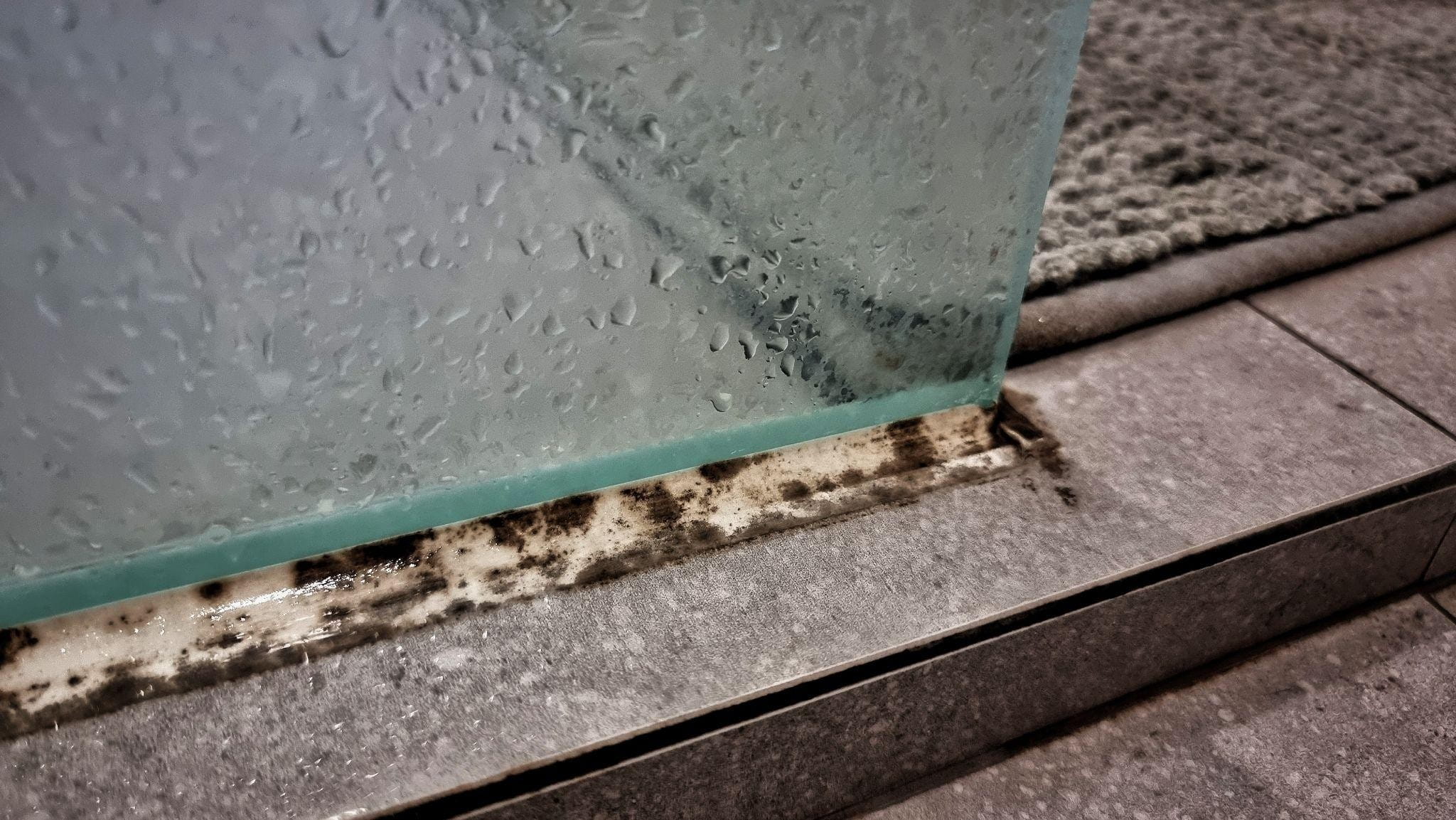
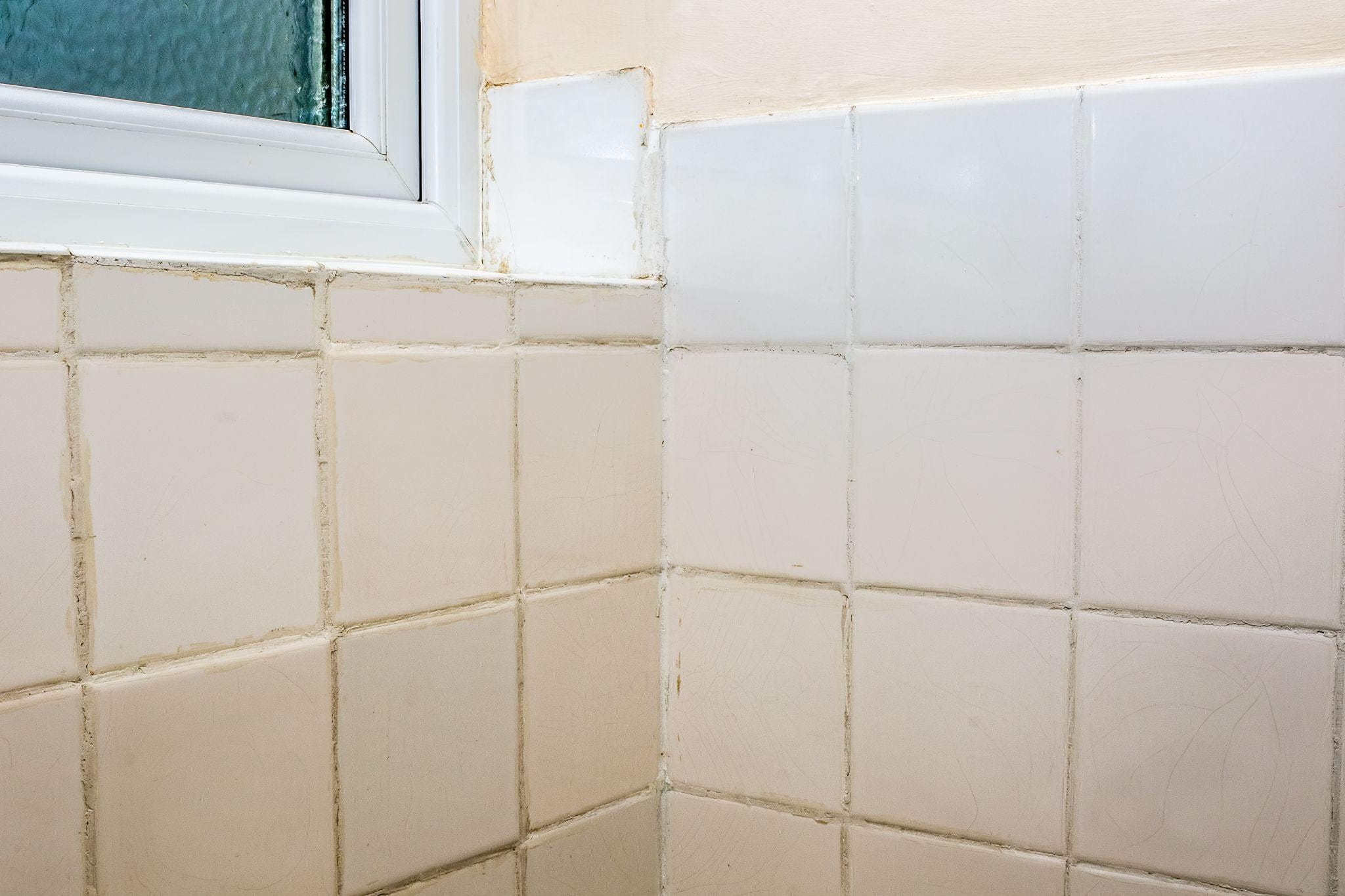
Grout doesn’t fail overnight, fortunately. There will be telltale signs that your grout has started to fail well before your tiles begin to loosen up. Small cracks in your grout lines are easy to spot. Dark stains that don’t lighten after repeated cleanings, or grout that feels gritty when you run your fingers over it are also signs.
Does your grout seem to hold moisture for a long time after you shower? Do you notice dark circles around your tile joints? This can be an indicator that your grout is absorbing the water instead of repelling it. Not only will this cause musty smells, but you’ll likely see mould begin to grow if the problem is left unattended.
If you catch your grout failures early, you can slow the progress of damage. You never want to leave cracks in your grout exposed for long periods of time because water can seep into your tiles causing much bigger issues.
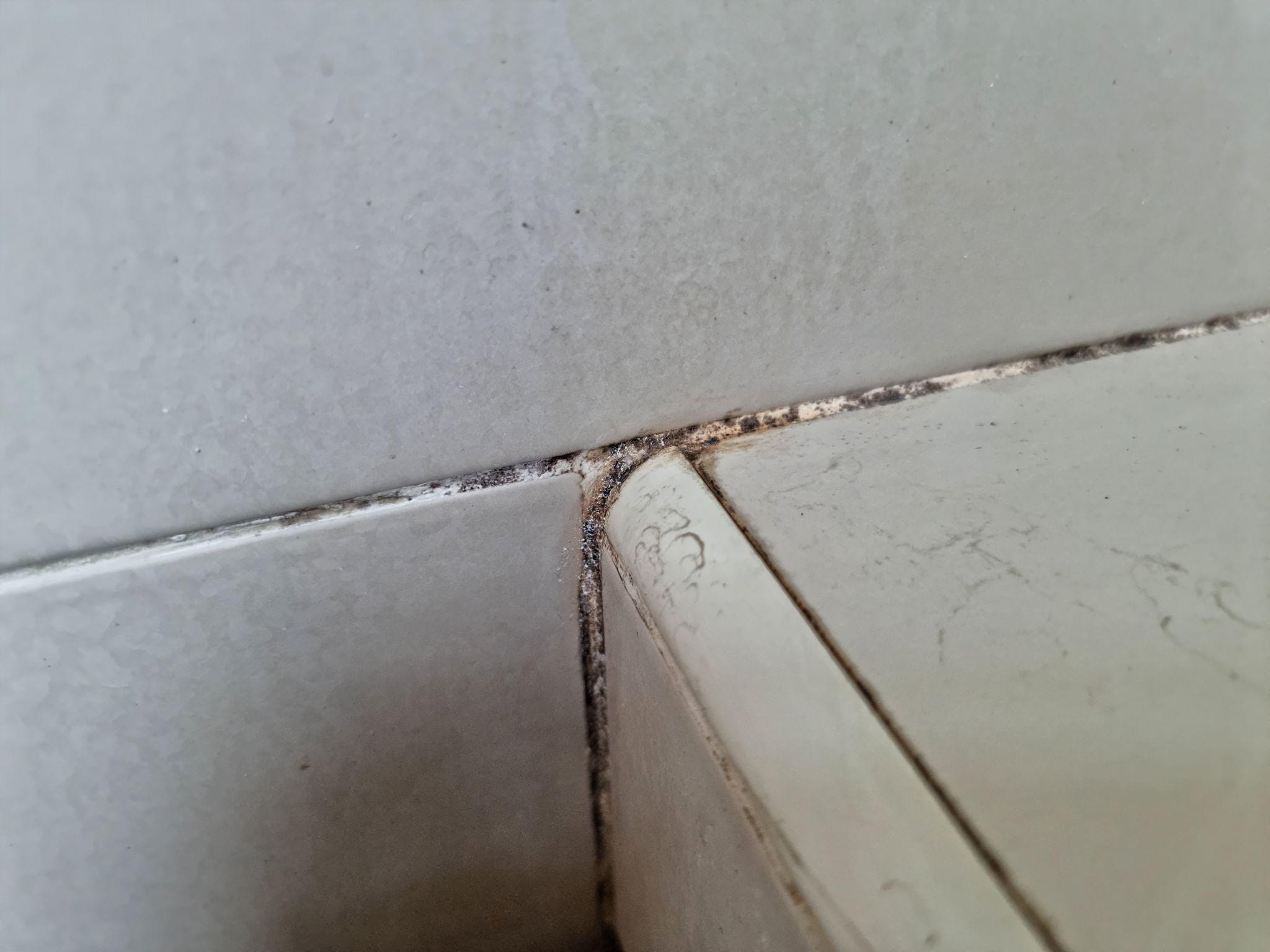
Damage to your shower grout may begin as minor cosmetic issues due to heat exposure. However, as your grout continues to degrade and cracks, further problems can occur. When grout cracks and becomes unable to maintain a waterproof barrier, water seeps behind tiles each time you shower. Warm temperatures will prevent moisture from escaping, which causes added stress on tile adhesive, substrate materials and neighbouring areas of grout.
Tile can begin to loosen as well as cause hollow-sounding walls and soft, damaged materials underneath. Damage that may have been resolved by re-grouting can spiral into more severe bathroom damage that will need repairs by a professional.
Uncorrected heat damage to your shower grout is one of the main causes of shower repairs. By correcting failing grout before it spreads you can ensure moisture isn’t seeping into your shower walls causing major damage.
When you regrout your bathroom you are fixing the problem at the root rather than covering up the symptoms. Old, damaged grout is removed and replaced with modern, high-tech grout that rebuilds this vital watertight membrane that guards your bathroom from humidity, heat, and continuous expansion and contraction.
This means most shower re-grouts will be epoxy grout as they are low porosity, crack resistant, heat resistant, and stain resistant so work better in areas with lots of moisture and high heat. Combined with quality silicone seals and polyurethane seals in areas with movement like corners, joins and edges your bathroom can move without affecting these seals.
Preventing cracking, moisture seeping through, mould build-up and ultimately extending the life of your current tiles. Preventative measures like professional regrouting can save you from having to do major repairs or renovations to your bathroom.
DIY grout repairs have a hard time holding up during the summer months for several reasons. Heat and humidity play a big role in how grout products cure. Patch repairs will often dry too quickly on top and cure soft underneath creating an inconsistent bond that cracks, shrinks or appears to look good but fails within weeks.
Unseen moisture is another problem. Grout and substrates retain excess moisture longer during summer months. Applying grout or sealants over areas that are still damp won’t allow the new material to bond correctly. As temperatures rise and fall during the day these areas will be the first place failures begin happening by cracking or popping up.
DIY repairs focus on filling in the gaps that you can see and typically don’t address weakened grout along the entire grout line. The summer heat will quickly reveal these patch jobs because of continuous expanding, contracting and steaming. Without proper material, prep and curing environments DIY grout repairs are often short-term.
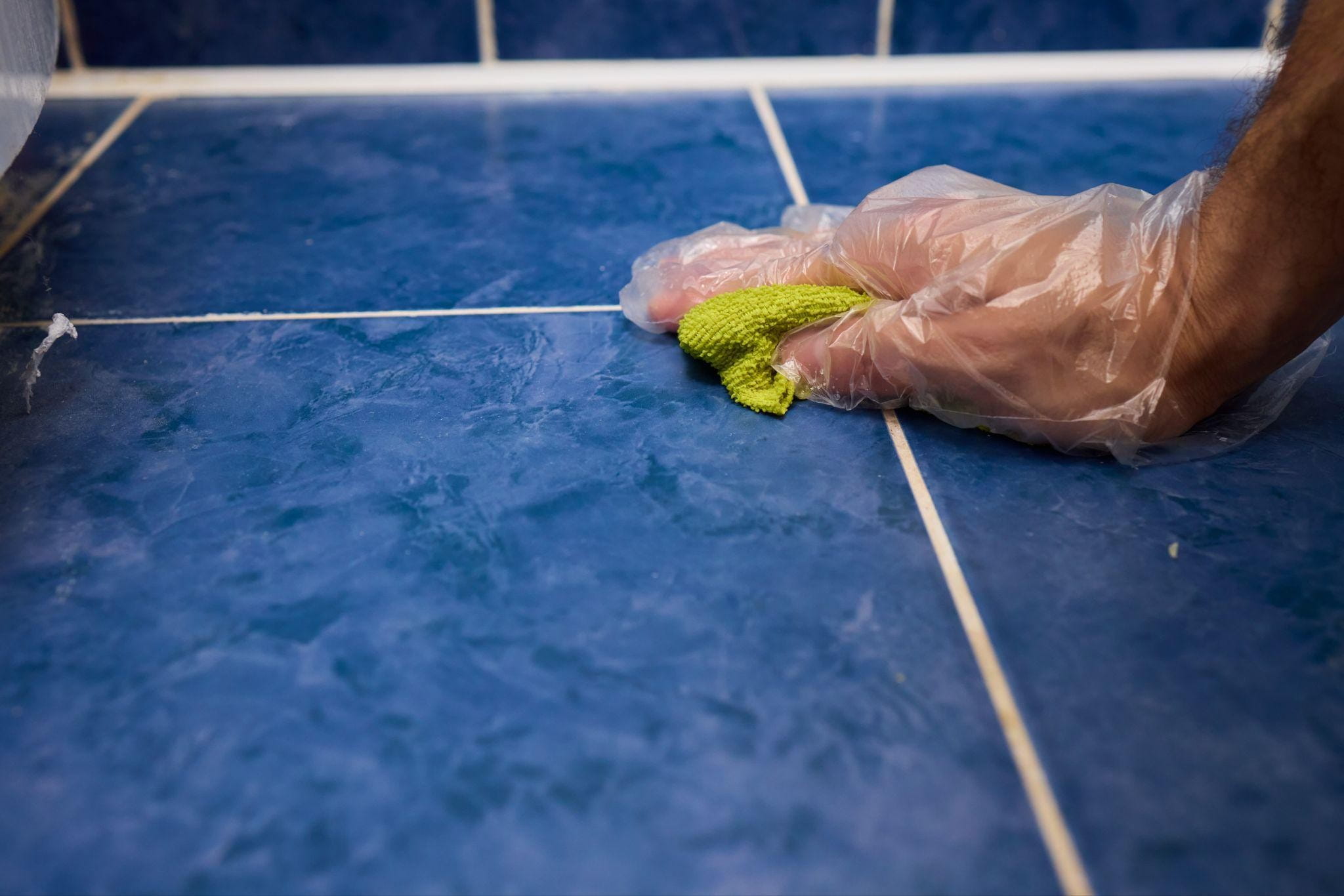
We know your bathroom is important to you which is why at Strategic Regrouting we focus on cleaning, restoring and protecting it before small grout problems become big and expensive issues. Our team use only the highest quality products so you can be sure that your tiles will be watertight, flexible and durable whatever the season.
Professional bathroom regrouting benefits your bathroom year-round. Not only will it look better but the structure of your bathroom will be stronger and less prone to letting moisture seep into hidden areas. This means less cracking, mould and water damage no matter what time of year.
Got cracks in your grout? Discolouration? Damp patches? Don’t wait for it to get worse. Call Strategic Regrouting today and get professional shower regrouting to help protect your bathroom and tiles year-round.
If you’re searching for a reliable tile regrouting specialist near you this summer, our team at Strategic Regrouting is ready to help. We proudly serve homes across Melbourne, including Albert Park, Caulfield, Carnegie, South Melbourne, Brighton, Windsor, South Yarra, Bentleigh, Richmond, Middle Park, Elwood, Balaclava, Hawthorn, Hampton, Toorak, St Kilda, and Malvern.
Wherever you are in these areas, we bring professional expertise, high-quality materials, and years of experience directly to your bathroom. No matter the size of the project, our goal is the same: long-lasting, watertight grout that keeps your tiles looking great and your bathroom protected.
If there’s one thing that heat does well, it’s exaggerating little problems. Those slight cracks and discolourations in your grout won’t seem so slight when summer rolls around. Grout damage can spread through your shower quickly, leaving your tiles weakened and your budget drained from repair bills.
But it doesn’t have to be this way. Professional shower regrouting can protect your bathroom from damage before it becomes serious. Repairing your shower grout with high-quality materials and sealant keeps your bathroom safe all year, and saves you the hassle of last-minute repairs.
Don’t wait for the damage to become visible. Call us today to schedule your shower regrouting and keep your bathroom pristine this summer.