 1300 855 075
 Free Quote

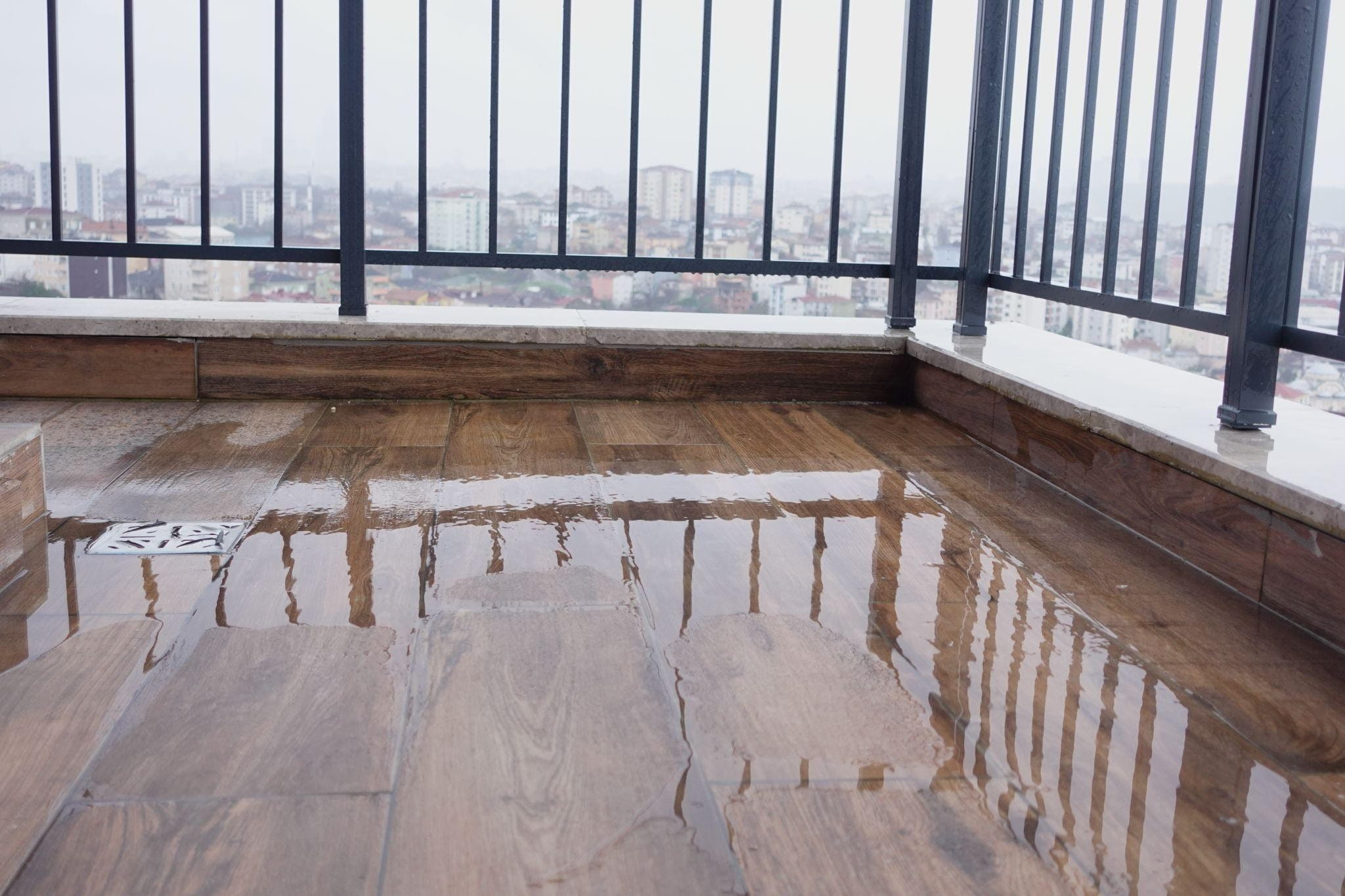

While marketing often portrays waterproofing as a permanent fix, a substantial portion of these systems start to degrade within the first five years. The tell-tale signs of compromised installation, cheaper materials, or overlooked details often surface approximately five years in, not as immediate, catastrophic failures, but as the slow creep of moisture finding its way through, a condition that’s set to deteriorate.
The problem is by this stage a lot of homeowners believe things are “within acceptable limits” and don’t recognise progressive signs of moisture ingress until it’s too late (and more costly) to reverse the damage.
We see this a lot here in Melbourne (and Australia generally) where it can become apparent through quite functional symptoms. A shower that won’t dry completely after use, grout lines beginning to fail or ceiling stains appearing below a balcony. A balcony leaking during a summer storm, contrary to its design for heavy rain resistance, strongly suggests these same underlying issues are present in other, less noticeable areas.
Around the five-year mark, it’s common for hidden defects to begin showing, signalling that the waterproofing has already failed, long before its expected lifespan is up. Dealing with waterproofing problems in their infancy makes them incredibly simple and inexpensive to resolve. As soon as water reaches timber framing, plasterboard ceilings or concrete reinforcement the repairs become much more invasive.

A leading cause of premature waterproofing failure is inadequate surface preparation. Prior to membrane application, substrates should be clean, dry and sound, dust-free, and free of residual adhesives. There can be no moisture present within the substrate itself. And no existing grout or silicone remaining on surfaces as this can affect adhesion. Failure to properly prepare the surface can cause membranes to lift, crack or allow water to track underneath as they age.
The most common scenarios we see this occur are either in renovations where contractors are focused on turnover instead of doing the job right, or smaller repair jobs where damage was not properly remedied prior to new installation. Even the most advanced waterproofing solutions aren’t magic bullets and will inevitably fail if applied over a compromised surface, their strength limited by what they stick to.
You’ll find this same pitfall is responsible for the vast majority of DIY regrouting failures. If you’re not preparing and correcting existing surfaces before applying new sealants, you’re simply trapping moisture instead of fixing the problem. This leads to continued leaking and seeping issues. That’s why professional systems focus on surface preparation first.

Not every waterproofing system breaks down because it was poorly installed. Sometimes they fail from the onset because the wrong materials were specified to begin with. A perfect example would be specifying the wrong type of grout.
Let’s start with epoxy vs grout. Yes, we know there are still plenty of applications where traditional cement-based grout is being used. However, since it’s porous, water will find its way into it over time. Eventually, the grout will start to break down, stain and allow water below.
Epoxy grout doesn’t allow water to penetrate. It’s impervious to chemicals, water and movement. Why then is it not always used? Mostly because of money, lack of knowledge or old habits. You can expect your system to hold up without problems if epoxy grout is applied universally.
One of the common errors made when waterproofing is assuming that wet areas are the same. While showers and balconies have moisture in common, the application of each system is night and day. Showers are designed to endure contained use with very little variance. Constant and predictable use is why pinpoint solutions like shower tile regrouting can fix many problems before they get too far.
Balconies are outdoors which means temperature fluctuations, UV, torrential downpours, and movement from the building itself. Since exterior materials are so vulnerable to the weather, fixing balcony leaks often becomes unavoidable if the original design wasn’t robust enough. Expecting the same products to hold up in both applications is a primary cause of early waterproofing system failures.

The idea that waterproofing is hidden within the membrane and that grout and silicone are just surface decorations is a frequent misunderstanding. But they’re not, they’re your first line of defence. As they start to break down they allow moisture through which creates stress on the membrane behind them.
One challenge you’ll face is that silicone deteriorates before grout in most installations will. Silicone joints around corners, edges and movement joints need to stay flexible but due to constant exposure to moisture, cleaning chemicals, and movement, they break down much quicker. Once your silicone starts cracking, shrinking or lifting you have an instantaneous avenue for water penetration no matter how good your grout looks.
Cracked, loose or discoloured grout can be one of the first indications that your waterproofing system is being compromised. By installing new grout seals early on through our tile regrouting services, you can prolong the life of your waterproofing system as a whole. Regrouting allows you to replace a solid surface layer and prevent water from seeping through tile cracks and into your system.
Instead of reaching the substrate, water is halted by the new grout surface and your tiled area is less likely to incur internal damage. Oftentimes, regrouting can postpone (or even replace) the need to replace your entire waterproofing system if your membrane is still intact.
Silicone, however, isn’t meant to last forever. Showers, especially, can see silicone seals start to fail in just two years, and it’s even quicker in exposed spots like balconies. Most of the time they’re never maintained or replaced throughout the lifespan of the tiled surface.
As silicone is usually used in corners and joints where expansion and movement happens, it’s often the first thing to go. Hairline cracks or separations may not seem like a big deal, but moisture can get behind your tiles and into places that are difficult to reach (and repair) when silicone starts to fail. One of the easiest ways to avoid premature waterproofing failure is to check your silicone joints regularly and replace when necessary.
Every waterproofing system has its breaking point, and a major one is the inevitable movement of structures. Buildings move, all of them. Buildings naturally shift a bit as time goes on, whether that’s due to fluctuations in temperature, ground settling, moisture causing expansion, or just the general effects of aging.
Good waterproofing systems are designed with this movement in mind, but if your waterproofing materials are inflexible, improperly installed or already weakened, they won’t be able to bend and flex with the building. Cracks will develop, seals will pull apart, and water will get in.
Movement failures can be sneaky too. You might not notice any immediate signs of damage, but over time tiny fractures will develop in your grout lines or caulking joints will begin to separate. Suddenly, you’ll find water working its way below the surface. And once it gets going, water will cause even more damage to both the surface material and the substrate.
Balconies are subjected to a lot more movement than indoor wet areas, that’s why they fail prematurely. Showers run under controlled conditions, however balconies are constantly heating up and cooling down while being bombarded with the elements. Couple that with foot traffic and structural load and you have a surface with a lot of movement.
Constant movement causes deterioration of grout lines and joints, allowing water to penetrate through weakened areas. Problems like this typically need balcony regrouting to ensure joints are strong again and the surface is resealed before water finds new places to seep through. Failure to maintain these areas can turn minor cracking into leaks that affect ceilings, walls, and structural integrity on the inside.

Waterproofing problems don’t usually happen suddenly. Oftentimes, they start as minor things that are easy to ignore. By the time they become noticeable issues, they’ve usually grown into larger problems. The issue is that signs of water damage are often not obvious. Little leaks and seepage can go unnoticed until the damage becomes obvious and costly to repair.
Here are some things to look out for so you can catch leaks early:
The shower is often where leaks show up first because they’re subjected to such a constant and direct flow of water. Look out for grout which doesn’t lighten when dry, tiles which feel soft when pressed and a constant musty odour that doesn’t go away after cleaning. In the latter stages you’ll notice water beginning to appear outside of the shower itself with signs of bubbling paint work, swollen skirting boards or damp walls next to the shower.
All these signs point towards water penetrating through the surface and into underlying areas. By this stage you’ll likely need a leaking shower repair that targets the affected area to stop the leak at source before it has a chance to get further behind the tiles.
Leaks from balconies are typically more aggressive since they’re exposed to movement and weathering. Signs of leaking may include ponding after rainfall, cracks in grout lines or joint separation. In advanced stages, staining may appear on the underside of the balcony. You may also notice staining or wet patches on ceilings below or hear water dripping through during periods of heavy rain.
Since balconies endure harsher conditions they tend to degrade faster once issues start occurring. Surface cracking can allow water to infiltrate deeper into the structure if not addressed. These are perfect examples of when catching an issue early and using the right leaking balcony repair saves you time and money by limiting the extent of repairs.
Expect about 10-20 years from bathroom waterproofing before you need to replace it throughout Australia. We say ‘expect’ because if it’s done right the first time using good quality products and maintained correctly it will last for decades.
Unfortunately, a lot of these systems start failing well before their decade mark, with some giving out in just five years, often due to improper surface prep, using the wrong sealants, or neglecting upkeep of grout and silicone.
Providing the actual waterproof membrane hasn’t failed (not just the grout and silicone) then surface maintenance such as re-grouting, re-sealing and replacing silicone can remedy leaking issues without ripping tiles out. The longer waterproofing leaks go unnoticed or unrepaired the more likely a strip-out will be required. You can usually tell if tiles will need to be removed or not once the source of leaks are diagnosed early.
Generally speaking, and this is always best confirmed by looking at your own policy, you’ll find that it’s usually not covered. If waterproofing fails due to wear and tear, poor installation or lack of maintenance, then home insurance won’t play merry. They may cover you if the damage was sudden or accidental, but not likely if it was spread over a long period of time.
Depending on the issue it can be quite costly. Addressing it promptly can limit surface upkeep costs to a range of a few hundred dollars. But if tiles need to be removed and waterproofing replaced then expect to pay the big bucks, possibly thousands. Also keep in mind if the water has caused structural damage to the wall it will need repairing too.
Yep, simple maintenance tasks like regrouting are great for making your waterproofing last longer. Although grout isn’t completely waterproof it does provide a protective barrier between water and your membranes. Cracked grout allows water to seep through and reach the membrane faster.
While some signs that waterproofing is needed are obvious, you might not experience these just yet. If you already see cracks, leaks or that perpetual dampness, take action sooner.
Often, Strategic Regrouting’s services in Melbourne can prevent the problem from progressing any further, saving you from having to deal with an even larger (and pricier) waterproofing project. It’s also a simple way to stall for time, protect underlying areas, then assess if further repairs are necessary.
Don’t let a leak escalate any further. If you suspect your waterproofing is failing, contact us today to organise an inspection with our friendly team and get professional advice.