 1300 855 075
 Free Quote


The reality is that most DIY regrouting projects begin with the best intentions. You look at your tiles and think, they’re a little tired, maybe mouldy with cracked grout. So how hard could it be? Grab yourself some grout from Bunnings, clear your weekend, and you’ve conquered another household problem.
Until your DIY grout starts drying patchy, colour looks uneven, lines crumble away, or worse, you start seeing signs of moisture again weeks down the track. Suddenly your quick weekend fix has become headaches, wasted money, and an eyesore that looks worse than when you began. These are more than just cosmetic problems. Once water penetrates your tiles and grout, you’ll be left with loose tiles or hidden water damage that could lead to expensive repairs in the future.
It’s something we see too often at Strategic Regrouting. Hands-on customers who have spent their time and money trying to DIY regrout, only to find that it starts failing within months. Don’t get us wrong, we love that you want to take care of your home. But unlike your fence or garden, regrouting is a precise science that requires experience and expertise to get the job done right.
Whatever the case may be, Strategic Regrouting can help. We specialise in professional tile regrouting for bathrooms, showers, kitchens, balconies, and all tiled areas — restoring the look of your space while protecting it from moisture and long-term damage.
We not only want your tiles to look good as new but we also want to protect your home from excess moisture and long-term damage. That’s why we’re here. So next time you’re thinking of regrouting the bathroom ask yourself, why does DIY regrouting fail so often?
What do professional services do differently to ensure your regrouting lasts? Let’s dive in.
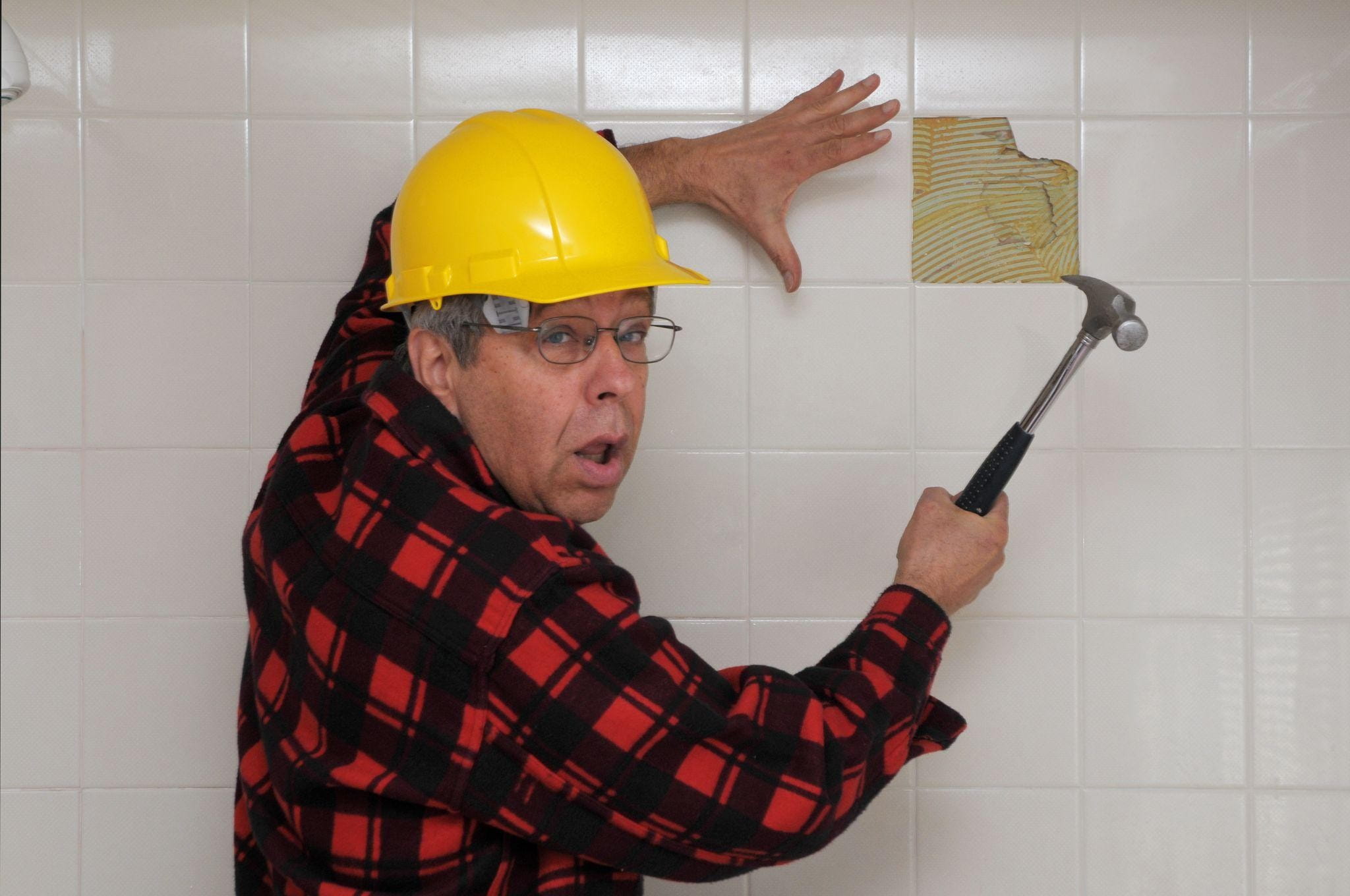
Regrouting tile work appears to be simple. Remove old grout, shoot in new, wipe off excess and you’re finished. At least that is how it looks on DIY videos and websites. What those speedy videos leave out are all the technical details that separate grout that lasts 5 months versus grout that lasts 15 years.
Let’s start with removal. Old grout lines must be removed to the appropriate depth whilst not damaging tile edges. Remove too little and there will be poor adhesion with the new grout. Remove too much and you risk chipping the tile edges or weakening the substrate the tiles are bonded to. Removal to consistent depth across a shower wall or tiled floor takes skilful tooling and know-how, not just elbow grease.
Surface preparation is another area where cutting corners can drastically reduce the life expectancy of your new grout. Dust, moisture, soap scum or mould remaining on the surface can prevent proper adhesion. Moisture trapped behind tiles can also be a cause for premature failure in newly grouted shower floors and walls. Identifying and remedying the root of the problem whether it be defective waterproofing membranes, movement joint failures or structural movement can mean the difference between a band-aid fix and a permanent solution.
Mixing and application of grout is another detail that is overlooked when reading online how-tos. Using the wrong type of grout (an example being you choose traditional grout over a superior product like epoxy), adding too much or little water, poor consolidation into the joint space or lack of proper curing are recipes for cracking, shrinkage holes, discolouration and premature deterioration.
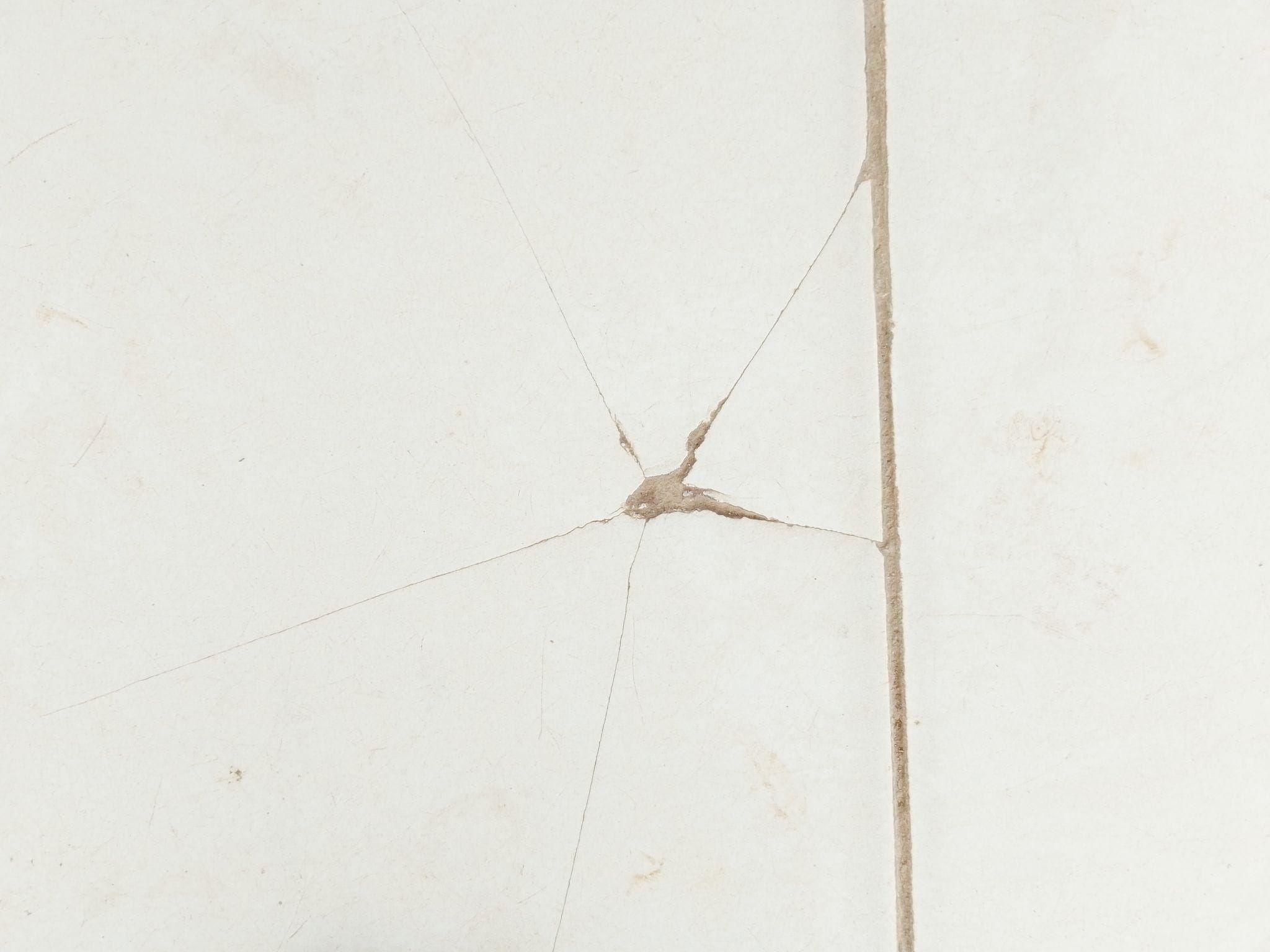
We know hiring a professional to do your regrouting job sounds like admitting defeat. Well, sometimes a few minor errors can create problems that will plague you for years to come. Cracked grout lines, recurrent mould build-up and DIY grouting blunders are more common than you think.
Below are some of the most frequent problems we encounter, and their causes.
| DIY Oops | What You’ll Notice | Why It Happens |
|---|---|---|
| Grout that falls apart | Cracks, crumbles or lifts out. | Old grout wasn’t properly removed, or the surface wasn’t prepped correctly. |
| Wrong grout for the space | Stains, moulds or early wear. | Not all grout is the same. Bathrooms, kitchens and wet areas need specific types. |
| Uneven or messy lines | Patchy finish, pinholes and weak spots for water. | Getting consistent depth and smooth application is harder than it looks. |
| Ignoring the cause | Cracks, water damage or loose tiles keep coming back. | Movement, moisture or failed waterproofing wasn’t addressed. |
| Rushed drying & no seal | Shrinkage, mould and staining. | Skipping proper curing and sealing leaves grout porous and vulnerable. |
You may think old grout isn’t much of a threat. However, leaving old grout in place during regrouting jobs is one of the leading causes of failed DIY grout repairs. Without removing old grout correctly, new grout won’t form a proper bond to tiles and you’ll be left with weak spots that are prone to cracking or crumbling with age.
For shower repairs or leaking balconies this can be catastrophic. There’s nowhere for moisture to go but into those cracks. One little slip-up when removing your grout can create tiny channels for water to work its way into, causing mould, movement or serious structural damage over time.
Professional grout specialists know how to thoroughly remove your existing grout down to the correct depth without damaging your tiles.
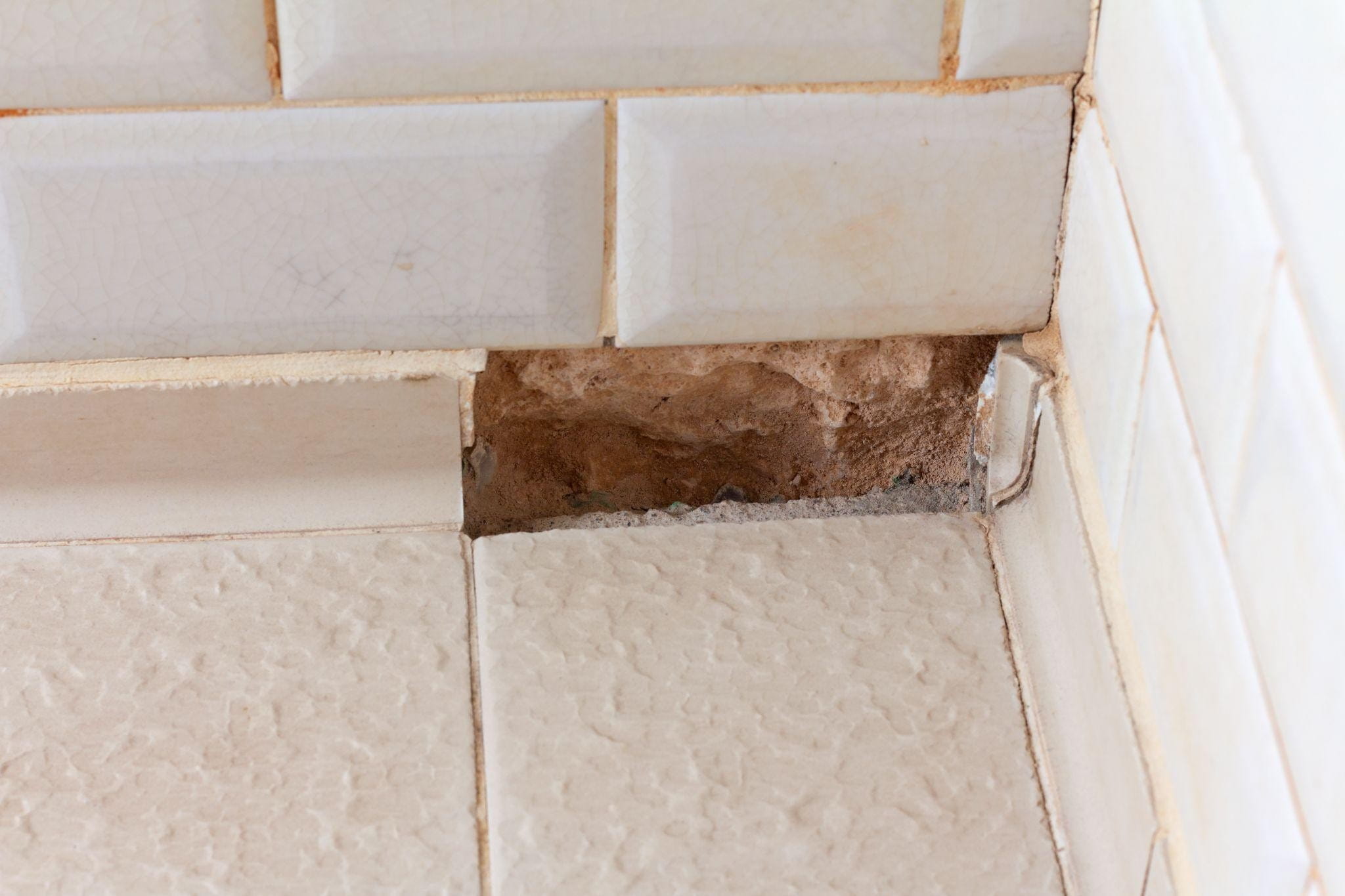
Humidity and temperature can make or break grout repair jobs. When grout is exposed to too much moisture or heat while drying it can compromise the integrity of the repair. The summer months can have adverse effects on compromised grout as it can dry too fast or crack from heat and sun exposure. Wet seasons will allow water to permeate through the new joints if not done correctly.
Balconies are a huge problem we see all the time. More leakage occurs after large summer storms if balconies are not grouted or waterproofed properly. Professionals factor in all types of weather conditions to make sure your grout cures correctly.
One shortcut some take is buying a bucket of grout and a tube of sealer from the hardware store. The reality is that DIY products aren’t made to last, especially in high-moisture areas or areas where movement occurs.
Professional-grade epoxy grout is much stronger and water-resistant than its DIY counterpart. Professional-grade silicone seals and polyurethane sealants properly applied create much longer-lasting barriers against leaks and mould.
The difference between professional versus DIY installations is not just the materials used but how and when they are applied. By using professional products and installing them correctly your tiles will look great and be protected for years to come.
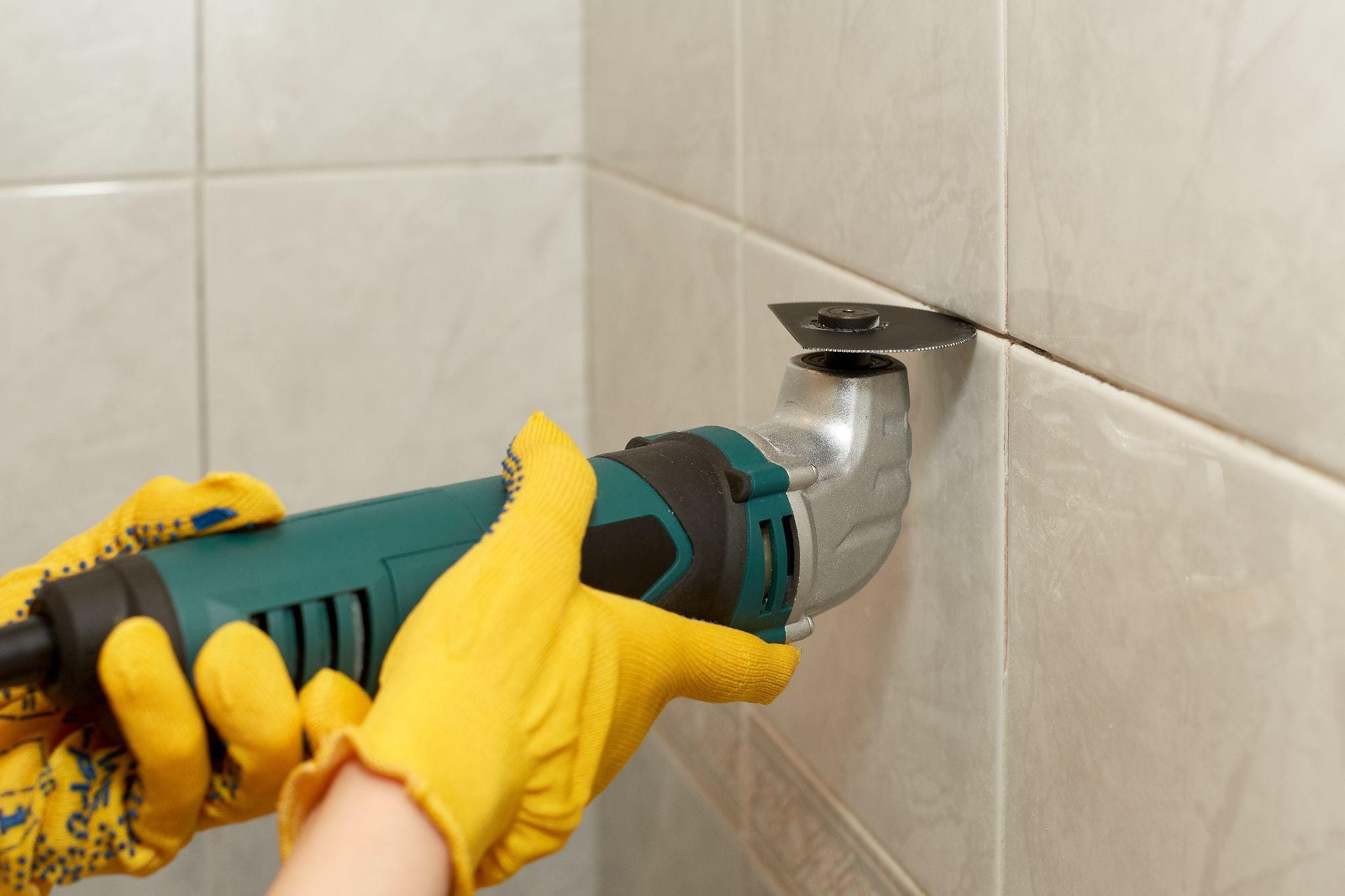
When professionals regrout, they prep first. They inspect the entire area to identify small problems you may not notice as a DIYer. Is there a tiny shift in tiles or uneven joints? Hidden moisture? By identifying these problems early on, they can address them before they become costly mistakes or repairs later.
Professionals also plan their approach based on the area. Say you need to regrout your shower, balcony, or an area that sees high traffic. They take that into consideration when determining how deep to press the grout, what tools to use, and how to apply it so that the finish is even and seamless. They’ll time the grout correctly so that it properly bonds to the area and cures fully (and these details matter more than you think).
Professionals know regrouting is a long-term fix. They go about the project in a way that addresses not only what you see on the surface but what’s beneath as well. They use smart techniques to ensure your finish is even, smooth to the touch, and that it’ll protect your substrate for years to come — all without undergoing a full renovation.
A good seal around your tiles isn’t just about aesthetics, grout and seals play an important role in protecting your walls from water damage. Shower regrouting done professionally means all of your joints are filled, then sealed. This keeps moisture from getting behind tiles and leading to mould and structural damage.
In areas such as balconies, this issue can be amplified. If you’ve noticed your balcony has started to suffer after a summer storm, don’t wait for it to get any worse. Having your balcony regrouted over the summer means all your grout and sealers have enough time to cure properly. Leaving you with a waterproof finish that can stand up to storms and movement throughout the changing seasons. Professional balcony regrouting can also fix any noticeable cracks or small gaps before they turn into serious leaks.
At Strategic Regrouting, we use expert application, premium-grade materials and strategic timing to keep your tiled surfaces safe from excess moisture, mould and future repairs.
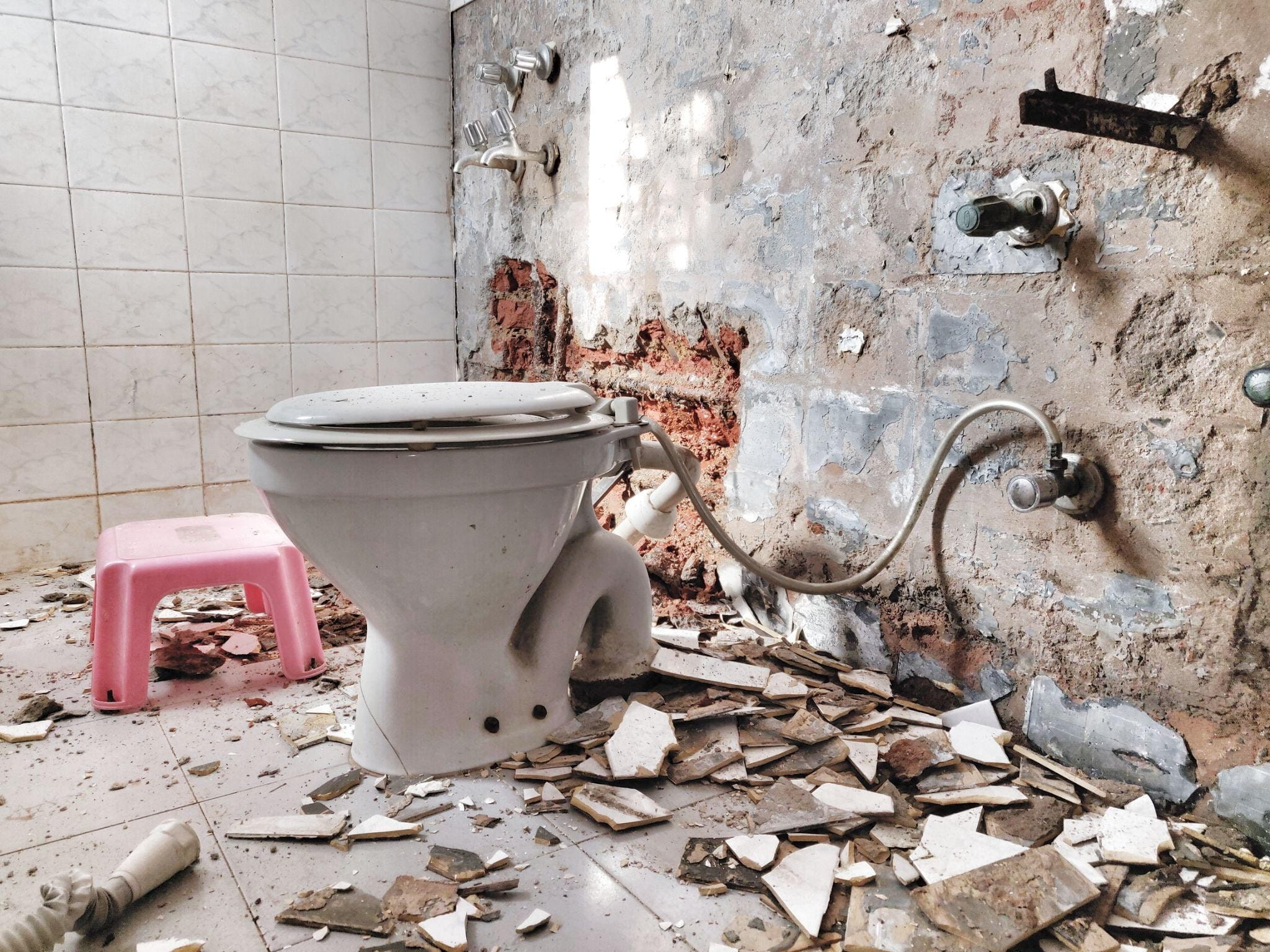
A cheap solution can quickly become remedial work, professional repair services, or work that was not included in the original problem. Not only do homeowners pay for materials twice (once for DIY and once for the experts), but they also may need to pay additional expenses such as tile replacement costs, waterproofing, or mould treatments.
When you look back on a DIY mishap, it didn’t cost you money. It cost you time, inconvenience, and the hassle of having to fix the same problem twice. That’s why hiring a professional to regrout is often cheaper in the long run, not because the initial cost is low, but because you only have to do it once.
If you’re looking for a trusted tile regrouting specialist near you, Strategic Regrouting services homes across Melbourne. We proudly serve homes across Melbourne, including Albert Park, Caulfield, Carnegie, South Melbourne, Brighton, Windsor, South Yarra, Bentleigh, Richmond, Middle Park, Elwood, Balaclava, Hawthorn, Hampton, Toorak, St Kilda, and Malvern.
No matter where you are located, we aim to provide our customers with professional know-how, tried and tested methods, and quality products for all your regrouting needs. Whether it be bathrooms, showers, kitchens or balconies, our goal is to help you regain the integrity of your tiled surfaces and provide quality long-lasting results, all at a fraction of the cost of renovation.
DIY regrouting may seem like a quick fix, but when it goes wrong it can become anything but. Many people don’t realise how complicated and technical the process really is, until they’ve spent money and time on repairs that don’t hold. What begins as a simple cosmetic fix can turn into recurring maintenance, wasted time and money, or even bigger problems over time.
When done correctly the first time by a professional, regrouting ensures you get a long-term solution that restores both the appearance and integrity of your tiled surfaces. Professional regrouting is a cost-effective alternative to complete renovation. It halts the spread of issues and protects your tiles from future damage — with minimal intrusion.
Whether your grout is cracked, leaking or simply looking worse for wear, Strategic Regrouting can help. Get in touch today and let us talk you through your options for long-term regrouting solutions.