 1300 855 075
 Free Quote

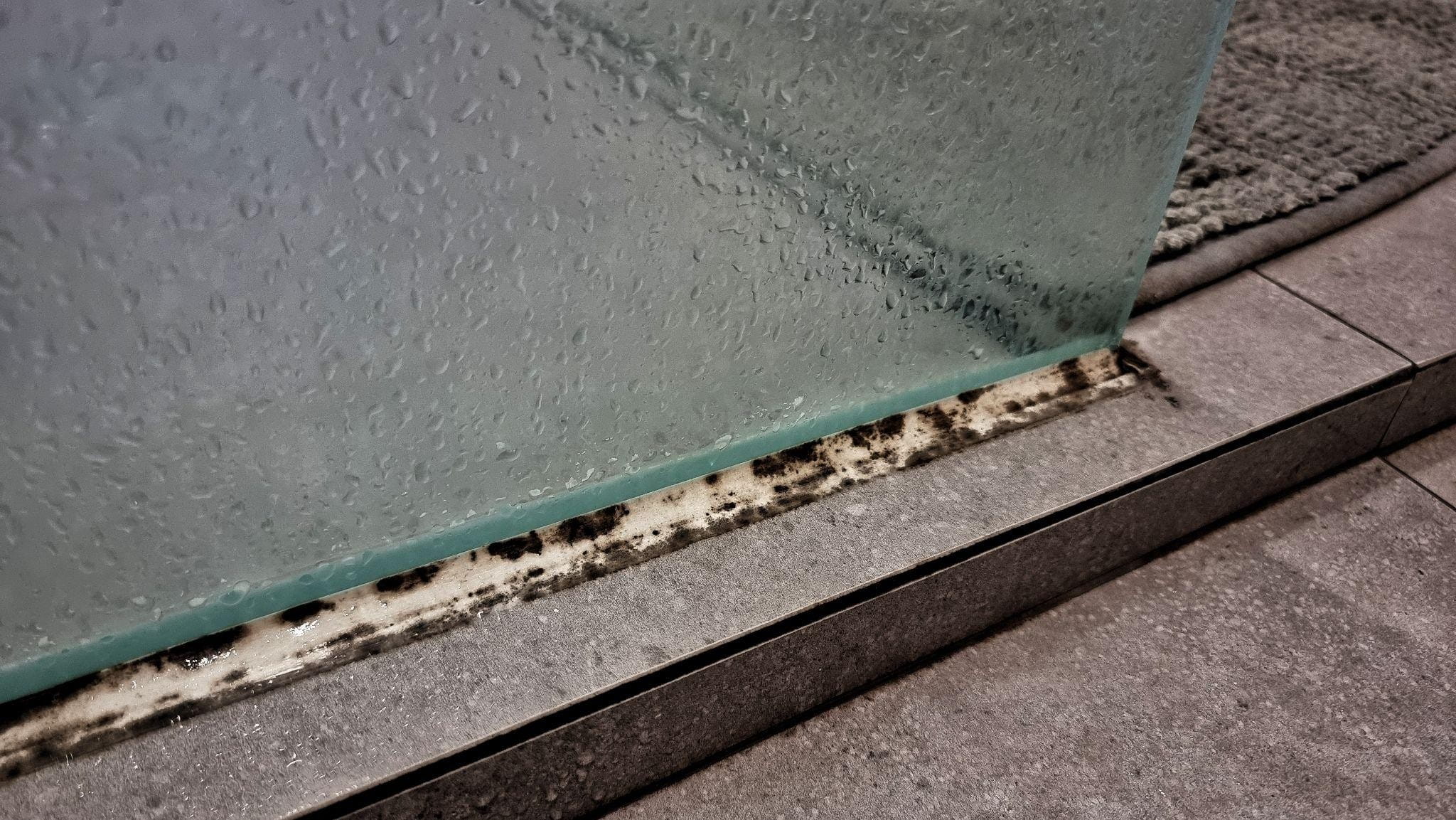

Winter in Melbourne can be notoriously wet, cold, and brutal. Moisture can seep into the cracks of almost anything and everywhere. Tiles are no exception to this rule. When the seasons change, something that may have seemed perfectly durable can start to show signs of wear when faced with cold and moisture. The first place you’ll usually notice damage is in your grout.
As we all know, Melbourne winters are very changeable. You might wake up to freezing cold mornings, but by lunchtime it can be quite warm. Tiles are durable enough to cope with expansion and contraction, however grout is a different story. Grout is very porous and brittle. This is why grout cracks before tiles do. Melbourne winters cause tiny hairline cracks in your grout that eventually become visible to the naked eye.
The worst part is you can’t see it happening. Slowly over the course of several weeks, these minuscule cracks start to expand ever so slightly to allow water penetration. Once that occurs you can kiss the integrity of your tiled surface goodbye. And let’s not forget that silicone breaks down at a faster rate than grout, so your joints and seals might be the first to go, even before the grout is impacted.
Winter doesn’t unleash torrential downpours, but its persistent drizzle means the air stays damp for much longer. Moisture during winter saturates your home, not allowing anything to dry fully between rain events. Winter water finds its way through tiny cracks in grout with its persistence.
Your bathroom grout is extra vulnerable in winter because you have moisture from the outside and also moisture from your shower raising the humidity level indoors. This saturation allows grout to absorb water like a sponge until it becomes damaged.
Once grout is compromised, you are giving water a direct route under your tiles. This could lead to mould, adhesive failure and concealed waterproofing failure which can be a bigger repair than grout replacement.

Balconies are different from internal tiled surfaces because they receive no shelter from the weather. Rain, fluctuating temperatures and continuous damp are some of the hardest-wearing elements for any tiled surface to deal with. Winter time can be the worst period for exposed balcony areas. Not only will the elements sit on the surface they will pool and permeate into any fractures. If your grout or seals give out, your balcony could easily kick off major structural damage.
One of the difficulties with balcony damage is that it rarely happens overnight. You may notice hairline cracks between tiles, or areas where the grout seems thin or patchy. You might even notice a chalky dust forming on top of your balcony. These subtle signs can eventually morph into more serious issues such as water pooling, tiles coming loose, and damp patches on the ceiling.
All of these symptoms mean that water is working its way through your surface, and that you may already need a leaking balcony repair. Balconies are exposed to the elements day in and day out, and even small amounts of grout failure can let in large amounts of moisture. It’s far more cost-effective to fix the problem early, as letting leaks persist can result in significant structural damage.
It’s letting damaged grout go unrepaired heading into winter that things go from bad to worse. Steady rain and minimal evaporation means that any moisture finding its way through gaps will have nowhere to dry. Instead it pools under your tiles lifting adhesives and causing pressure from underneath.
The results can range from loose tiles or cracking throughout, to full-blown leaks into the inside of your home. What started out as something that could have been remedied by a professional balcony regrout can spiral into having to replace waterproofing and lifting tiles. Winter will expose issues but it can amplify them greatly if you don’t take action in a timely manner.

When winter damage is involved, showers and tubs are probably the most deceptive rooms of all. They can look great on the outside with sparkling clean tiles and secure grout lines but behind that beauty, water could already be causing damage.
Less ventilation and higher humidity due to steamy showers result in moisture damage flourishing throughout your home under the radar. By the time you actually notice the damage, it’s usually quite severe, making shower regrouting an essential repair rather than a mere choice.
Grout naturally attracts moisture every time you shower due to its porous nature. This problem intensifies during winter since bathrooms rarely warm up properly and hold onto that moisture for extended periods of time. When your bathroom lacks sufficient warmth or proper airflow for drying, the grout is compelled to soak up any persistent humidity, gradually deteriorating and losing its firmness.
The more you use your shower, the softer your grout will become. Eventually, you’ll begin to notice cracks and spaces within your grout as it continues to break down. Water will work its way behind your tile causing leaking shower repairs to be needed. Since the water is getting behind your tile, you may not even realise that you have a leak as the moisture is trapped behind your shower’s surface.
Water that’s been allowed to accumulate behind tiles and within your grout creates a safe haven for mould and mildew to grow. Since bathrooms have colder temperatures and less airflow during winter, this means your shower walls and floors won’t completely dry out between cleanings. You may scrub away mould each week, but it’ll continue to grow back if you don’t address the cause of the moisture.
If your shower continually fosters mould and mildew growth, it’s a clear indication that water is consistently leaking through your grout barrier. Not only will your shower develop stains and odours, it can also cause water damage throughout your bathroom. The good news is that it’s often possible to fix your leak without removing tiles, provided the problem is caught early and addressed with the right regrouting and sealing approach.

Your bathroom or balcony’s waterproofing should be your final line of defence against water penetration. However, it’s also the defence you never see. This can make waterproofing extremely risky. A common misconception is that waterproofing lasts forever once tiling is complete.
You might not realise there are big membrane problems because the tiles look fine. Areas that experience frequent winter weather are at risk because once grout and seals begin to fail, moisture will find its way through to a layer that is not meant to be exposed to constant saturation.
Winter doesn’t allow for much recovery time though. Maybe a little moisture can escape unnoticed during the summer, but winter weather allows water to pool around your tiles. It sinks in lower, it sits longer. All that extra water in your subfloor can cause stress to your membrane, leading to cracks and other holes that will need repair. Once your waterproofing is damaged, your repair job means stripping your tiles instead of simply sealing over the cracks.
Waterproof membranes almost never fail catastrophically; it’s always at focal points of stress first. Corners, joints and transitions are going to be most susceptible. Again, this is because they have the most movement and they’re typically sealed with silicone.
Penetrations such as drains, taps and fixings are another common failure point. As the grout or sealant around them breaks down, water penetrates those small openings. Gradually, this ongoing exposure can result in blistering, separation, or a total breakdown of the waterproof membrane under the tiles.
Seems simple, but regrouting does more than just make your tiles look better. It also adds another layer of protection to everything underneath. When grout cracks, there are gaps for water to seep down through. By keeping everything sealed up before winter, you’re stopping water in its tracks at the surface level.
Less moisture will make its way down to the membrane, allowing it to do its job more efficiently without being overtaxed. Maintaining your current waterproofing also means you can avoid replacing it for much longer, saving you time and money on extensive repairs. Fixing your grout before winter will also allow you to make repairs before the season of endless moisture comes.

The benefits of epoxy grout tend to become apparent when homeowners or contractors evaluate epoxy vs traditional grout. For decades, cement-based grout has been the norm. It’s easy to work with and cost-effective, but it’s also very porous and sensitive to changes in moisture and temperature. During wet, chilly spells, cement grout tends to soak up ambient moisture, lose its firmness, and degrade more quickly, especially on high-traffic spots and those out in the open.
Epoxies are a much denser product. They have virtually no absorption rate and don’t require sealing like cement grouts do. Because of this, they are far less sensitive to changes in moisture. This can be a huge benefit in areas that are constantly exposed to water such as showers, pool decks, and balconies.
However, that doesn’t mean epoxy grout is always the best choice. Because epoxy is less flexible than some of its cement-based counterparts. Environments with structural movement or moving substrates can cause problems if the epoxy isn’t installed properly. Use and exposure are the determining factors. Will moisture be a constant issue or will movement?
You’ll find epoxy regrouting makes the most sense in spaces that are consistently exposed to moisture. Showers that get used multiple times per day, outdoor balconies with rain exposure and bathrooms with poor ventilation come to mind. The less absorbency an area has, the better it is at preventing long-term saturation. And we’re all too familiar with the headaches that can stem from that, like mould and deterioration.
Another reason you may want to consider epoxy grout is if you’re searching for something durable with low maintenance. Epoxy grout is less prone to staining and discolouration, making it more durable in appearance over time. However, applying epoxy grout demands a greater degree of accuracy during installation, which is why it’s usually best left to the pros rather than attempted as a do-it-yourself project.
Winter-proofing your home does not mean completely renovating your bathroom or balcony area. The focus should be on tightening up those vulnerable spots where water can enter. Rarely do things leak because of catastrophic failure; leaks usually start with small openings, tired joints or aging sealants that have silently been deteriorating. Remedying those before winter comes can save you a lot of trouble.
Sealing often gets overlooked. Silicone seals are used around joints, corners and fixtures because they provide movement. However they aren’t immortal and can shrink, crack or lose their bond with age, especially when constantly exposed to moisture and temperature variations.
Polyurethane seals can be used in some situations instead of silicone and offer a more permanent solution, especially in exterior areas like balconies where they are exposed to more extreme conditions.
Ideally, during your pre-winterisation inspection you should check grout lines for early signs of cracking, seals for separation or mould growth and confirm water is draining correctly throughout. A little preventative maintenance can go a long way towards preventing water infiltration down into your system.
Think prevention instead of damage control, here’s what you should be looking for:
| Area To Check | What To Look For | Why It Matters |
|---|---|---|
| Grout Lines | Hairline cracks, crumbling, and discolouration. | Early signs of failure that allow moisture to penetrate beneath tiles. |
| Silicone Seals | Peeling, gaps, mould buildup, and shrinking. | Failed seals let water into movement joints and corners. |
| Tile Stability | Loose or hollow (“drummy”) tiles. | Indicates water damage or adhesive breakdown underneath. |
| Drainage (Balconies) | Pooling water, slow runoff. | Standing water increases saturation and accelerates deterioration. |
| Shower Corners & Joints | Dark spots, persistent dampness. | High-risk areas for hidden leaks and mould growth. |
| Odours | Musty or damp smells. | Often a sign of trapped moisture behind tiles. |
| Ceiling Below (If Any) | Water stains, bubbling paint. | Indicates water has already penetrated through the system. |
Yes. If you can see where your grout has started to deteriorate (cracks, stains, soft spots) then yes, it’s definitely beneficial to regrout before the colder weather hits. Bathrooms take longer to dry out once humidity levels increase during winter months which can cause significant damage behind tiles.
Rain does not need to be heavy or consistent to damage balcony waterproofing. Water damages because it doesn’t dry out between showers. As moisture slowly seeps through your grout or seals over days and weeks, the risk of internal water damage grows significantly.
If your shower’s grout is cracked or discoloured, soft or crumbling, it’s recommended you get it replaced before winter. Increased moisture retention throughout the colder months means damage occurs much faster — and you don’t want to find out your waterproofing membrane has failed because your tiles are coming loose.
Anywhere from 10–15 years with proper application and maintenance. However, the exposure elements in Melbourne will break down any waterproofing system faster. Rain, UV rays and expansion & contraction of materials will eat away at it over time. Once your grout or seals start failing, you will then start to notice your waterproofing failing.
Yes it is possible to regrout tiles in the winter. Tile work should always be left to the professionals as when adding grout in cooler temperatures and high humidity levels will affect its curing time. When applied correctly regrouting in Winter is just as efficient as any other time of the year.
Cement grout is very porous and will soak up moisture over time. Epoxy grout on the other hand is much denser and therefore is more water-resistant making it ideal for wet areas such as showers and balconies. Epoxy grout requires a lot more precision when applying and isn’t suitable for areas with movement.
Most of the time you won’t see evidence of waterproofing membrane failure until water has already reached the surface. Signs of trouble often include persistent damp patches, unpleasant smells, tiles that wobble, paint that blisters on walls or ceilings, and leaks that keep coming back even after you’ve tried to fix them.
If you’re starting to see small problems like cracked grout lines, stubborn patches of dampness or movement in your tiles its often a sign that the problem has already started beneath the surface as well as above. The sooner it can be evaluated the easier and cheaper it is to repair.
Working with Melbourne homes daily, Strategic Regrouting are your local experts with over 20 years of experience. We pride ourselves on identifying these problems and fixing them before they become major waterproofing failures.
Don’t let a leak escalate any further. If you suspect your grout is failing, contact us today to organise an inspection with our friendly team and get professional advice.