 1300 855 075
 Free Quote


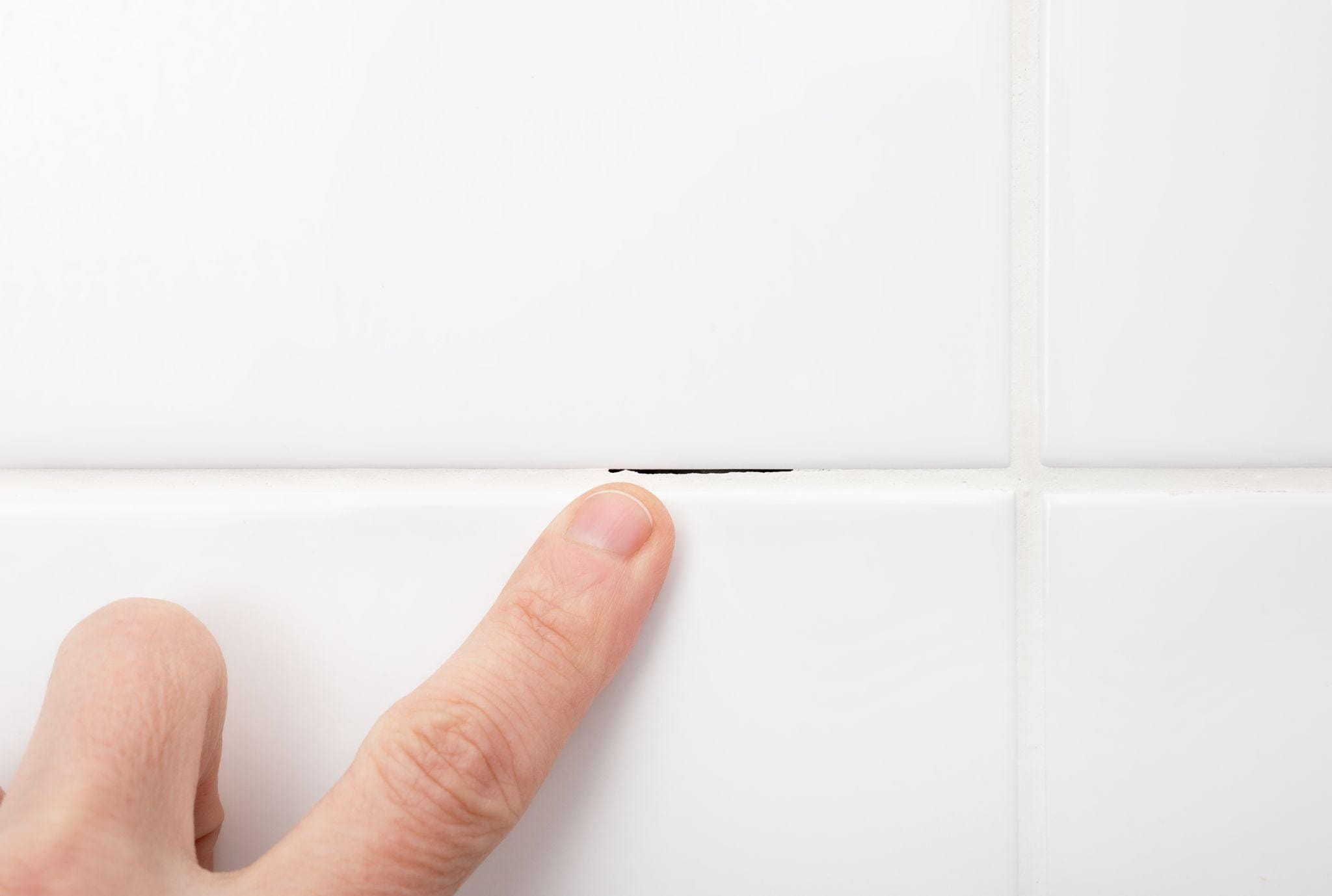

Grout is supposed to fill joints between tiles but is quite inflexible. There’s only so much movement grout can accommodate before it starts to fail. New buildings can move as the various materials used in their construction settle and react to changes in temperature, moisture content and other environmental conditions.
Movement can lead to cracking, especially at joints which haven’t been correctly allowed for movement. Building movement isn’t the only cause of grout problems, however. Preparation failures, using the wrong grout, improper application techniques and poor curing can all lead to premature failure of grout too.
The environment plays a role too. A shower will regularly be subjected to moisture. An exterior balcony has to deal with rain, UV light and changes in temperature. Even the location of cracking can help narrow things down.
Movement cracks through a standard grout joint could have a separate cause from cracking at a wall-to-floor intersection or another location where movement is expected. Context is important when it comes to grout failures in new builds.

Cracked grout joints aren’t always symptomatic of a problem under the tiles. If the tiles are stable, there’s no sign of water ingress, and the cracking is only affecting the grout, then remedial treatment may well be appropriate.
However, if grout is cracking and it keeps coming back in the same place, it may be a sign that movement is continuing to occur. Loose tiles, or tiles that have started to shift, can indicate adhesive failure or substrate movement.
Condensation against a shower wall, water staining or leaks suggest that water is penetrating through the tiled surface and travelling elsewhere. Crack patterns can also indicate the likelihood of a defect. Generalised deterioration will be a different problem to one small crack. Never re-grout localised cracking accompanied by other signs of movement or moisture.
Movement doesn’t stop at tile surfaces. This is especially important in wet areas as grout is not synonymous with a waterproofing membrane. Tile adhesive is not a waterproofing membrane. A tile waterproofing membrane is designed to stop water from seeping through tiles and damaging what lies beneath.
Cracks in the grout don’t mean that the membrane has failed, but if water keeps penetrating through a tiled surface, there may be something else lurking behind the tiles that needs to be investigated.
In many cases, yes grout can be repaired without replacing the tiles. Where tiles are well fixed and the substrate and waterproofing system are both in good order, then loose or deteriorated grout can often be removed and replaced without having to lift tiles.
This means that tile regrouting in Melbourne can be a very suitable solution for domestic property owners who find themselves with cracked or failed grout lines in an area that is tiled appropriately. Instead of removing an entire tiled surface area, existing grout can be removed and new grout, including epoxy grout where appropriate, applied after preparing the joints correctly.
Remember to use the correct type of grout for that area. Just because your shower and bathroom floor both have tiles doesn’t mean they have the same requirements, so keep this in mind when getting repairs done.
Here at Strategic Regrouting, we always check tile stability before offering our solutions. If the tiles don’t need to be replaced, then our regrouting services can fix deteriorated joints without disturbing tiles that are still firmly in place.

Sometimes the grout isn’t the problem. Loose, rocking, or moving tiles indicate a substrate problem, adhesive failure, or movement in the building itself. Grout that repeatedly cracks open in the same place will have an underlying cause that needs addressing rather than just being replaced again and again.
Constant leaking is another example. A shower leaking around the grout and silicone joints, even though they have been replaced with the correct materials, needs investigating to see if water could be getting in from elsewhere in the system.
Balconies suffer from the same problem. Failed grout can allow water ingress, but doesn’t always explain every leaky balcony. If there’s evidence of a failed waterproofing membrane, substantial substrate movement or another underlying issue, re-grouting the tiles won’t fix what’s wrong underneath.
Recognising this distinction matters because a targeted approach can be a very effective substitute for larger projects when the underlying system hasn’t failed. But if there is a true underlying failure, your repair needs to fix that rather than just covering it up.
Symptoms of grout failure can vary depending on its location. In showers, failed grout can appear as cracks in tiled walls and floors, powdering grout or chunks of grout missing completely. Stubborn mould or persistent leaking and dampness can also occur as a result of deterioration, although there are many other causes of these problems as well.
Showers are regularly subject to moisture and worn grout or failed sealing should be inspected rather than continually patched. Providing the tiled system is still in good condition, shower regrouting can offer a strategic solution to renew degraded joints without the need for expensive tile removal.
The environment affecting balconies is different. Rain, heat, cold and extended exposure to the weather can have a more demanding impact on tiled surfaces and joints. Cracked or powdering grout can allow water penetration into spaces behind tiles and may be a factor in creating a leaking balcony.
Yet failure of the grout does not mean that the balcony waterproofing membrane has failed or that the balcony must be completely rebuilt. When examining the tiled area, make sure to consider the tiles, grout, the lines between them, and what lies underneath.
Strategic Regrouting offers balcony regrouting Melbourne-wide and leaking balcony repair services to help property owners decide if targeted repair is suitable or if the issue is more widespread.

Cracked grout can happen in new homes as well as old ones. If you find cracked grout in your new home, first make sure you take photos and assess whether the cracking is consistent or widespread, and whether there are any other signs of leaking or moisture.
It’s also a good idea to notify the builder or responsible contractor if the home is new before you go and get someone else to fix it up. You’ll want to know if this is classed as a defect with the build prior to commencing repairs.
When it comes to repairing cracked grout, there is no need to rip out tiles if they are still intact. Provided the tiled system is stable, damaged grout joints can be regrouted without having to replace tiles.
Strategic Regrouting specialises in grout repair throughout Melbourne and its surrounding suburbs such as Brighton, Elwood, Richmond, South Melbourne, Port Melbourne, Toorak, Middle Park, Albert Park, Balaclava, Caulfield, Bentleigh, Hampton, Hawthorn, Malvern, St Kilda, and Windsor. We will advise if leaking shower repairs, tile regrouting or balcony regrouting is required. There are times when retiling is the best option, but our experts will determine if that is necessary.
Don’t assume your new home is free from defects. If you have noticed cracks in the grout, contact Strategic Regrouting so we can identify the cause and the right repair.
Some movement can occur in a new property, but recurring or extensive grout cracking should be investigated. The cause may relate to movement, installation, materials or joint detailing.
Not always. Cracked grout can be symptomatic of a cosmetic issue however if there are consistent leaks or dampness, or other noticeable issues with water ingress, the source of the problem needs to be identified.
Liability will be dependent on the particular facts of the project, including the nature of the defect and contractual obligations, as well as relevant legislation. As a rule of thumb, if you notice any defects in a new build property, ensure to record the defect and notify the builder prior to any repair works being undertaken.
Joints that change plane, such as corners, need to allow for movement. These joints are typically sealed with high-quality silicone seals rather than grouted using a rigid product. Repeat cracking at corners should be examined rather than grouted repeatedly.
Grout does not have an expiry date. Depending on the product used, how it was installed, and the exposure to moisture and movement within the property, grout can fail at any time.
Generally, yes. If your tiles are not loose and there is no failure with the waterproofing or substrate, the grout can usually be removed and replaced without affecting the tiles.
Building movement, poor installation, incorrect materials, and exposure to the elements can cause grout failure. Cracked balcony grout should always be assessed to determine if it is merely a cosmetic issue or part of a larger waterproofing failure.
Cracked or deteriorated grout does not always mean your tiles need to be replaced. Strategic Regrouting provides professional tile regrouting Melbourne services to restore damaged grout and refresh tiled surfaces while retaining tiles that are still in good condition.
From bathrooms and showers to balconies and other tiled areas, our Melbourne regrouting specialists can assess the condition of your grout and recommend the right approach for the job.
Contact Strategic Regrouting today to arrange an assessment and free quote.