 1300 855 075
 Free Quote


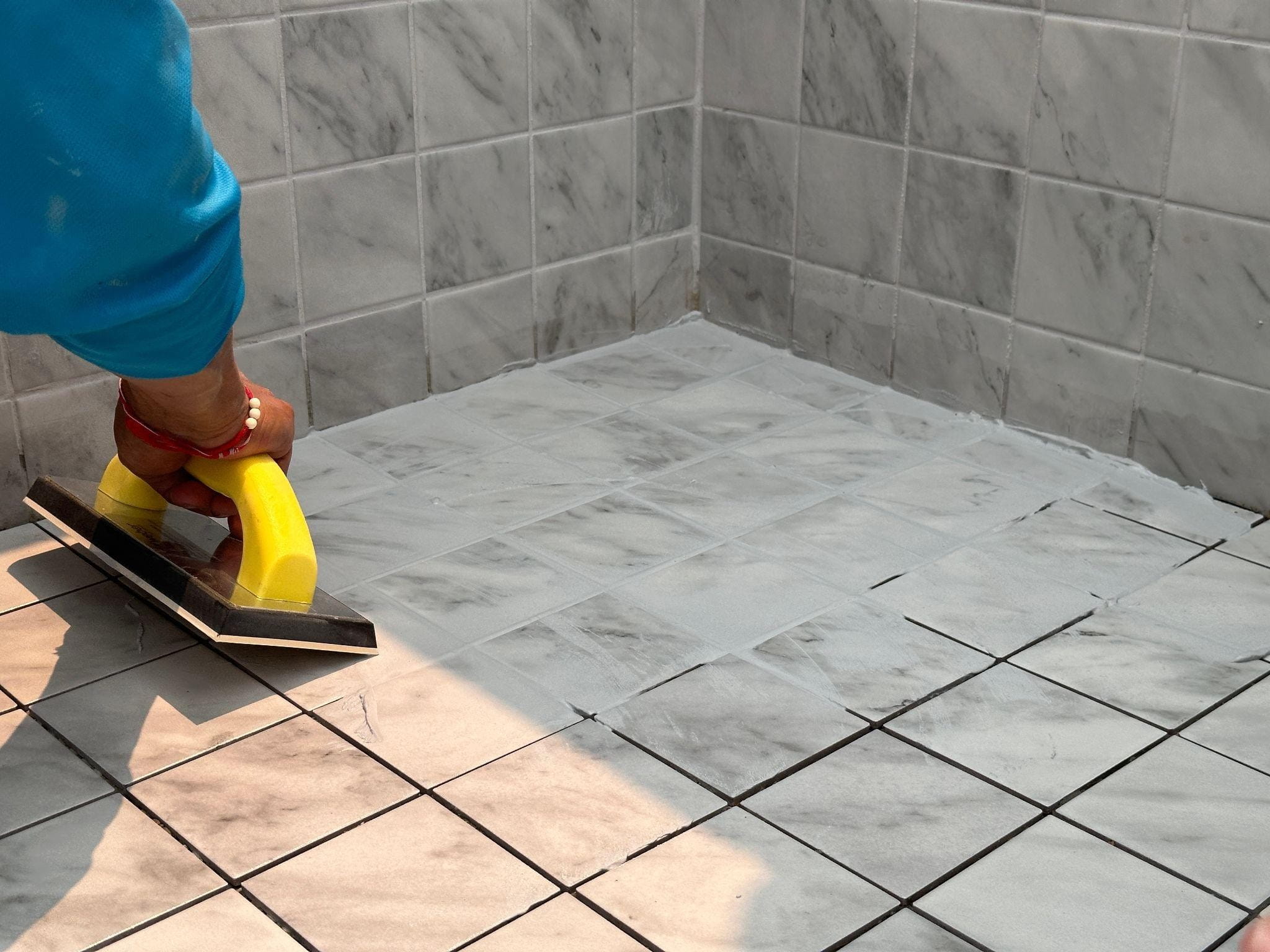
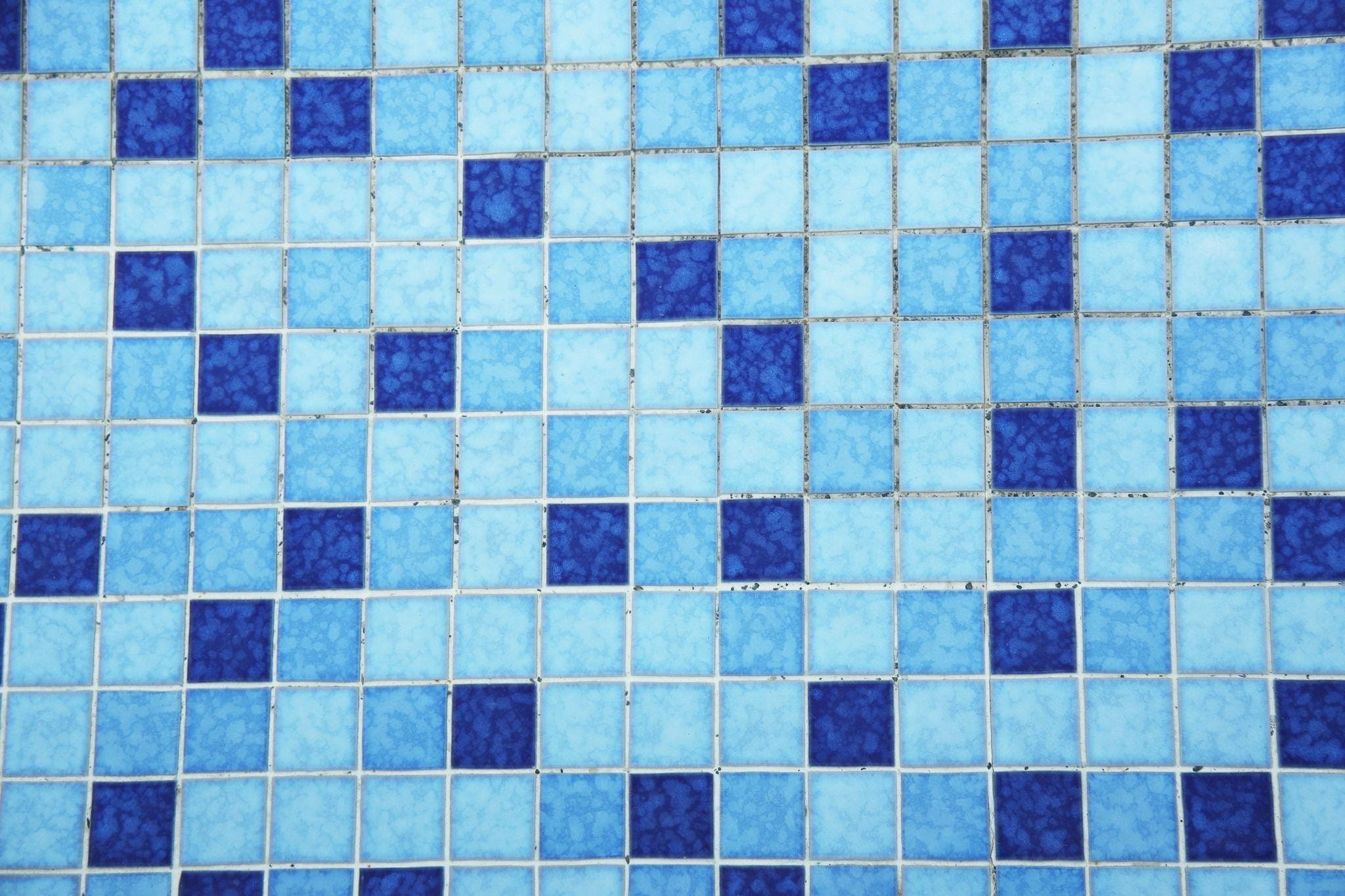
Grout plays an important role in maintaining tiled surfaces. It fills the joints between tiles, helps protect those joints from everyday wear and contributes to the overall finish of the tiled area.
However, grout isn’t immune to deterioration. Outdoor environments place different demands on tiled surfaces than indoor areas, particularly where tiles are regularly exposed to water and changing weather conditions.
Not all outdoor grout will fail, and not every crack indicates a serious problem. The type of grout, how the tiled area was installed, the condition of the underlying system and the environment will all influence how well it performs. The key is recognising when the grout is no longer in good condition and determining what needs to be done about it.
There are several factors that can affect the condition of outdoor grout over time.
Pool surrounds are frequently exposed to splashing, wet feet and water that sits on the surface. Terraces and other outdoor tiled areas may also experience prolonged moisture after rain. Depending on the condition of the grout and the underlying construction, repeated exposure can contribute to deterioration.
Outdoor tiles and the materials beneath them can expand and contract as temperatures fluctuate. Where movement isn’t adequately accommodated, stress can develop around tile joints and contribute to cracking or constant leaking after summer storms.
Changes or movement in the substrate can place stress on grout and tiles. If cracking keeps returning after repairs, the problem may extend beyond the grout itself and require further investigation.
Regular foot traffic, cleaning products and maintenance can affect grout over time, particularly if unsuitable products are used or the material has already started to deteriorate.

Damaged grout isn’t automatically a sign that the entire tiled surface is failing. However, it can affect how well the joints perform and may indicate that repairs are needed. When grout cracks or disappears, water can pass through the affected joints more readily.
What happens next depends on how the tiled area was constructed, the condition of the underlying materials and whether an appropriate waterproofing system is present. In some situations, deteriorated grout is primarily a surface-level issue. In others, water entering the tiled system can contribute to moisture problems beneath or around the tiles.
For example, balcony grout may need resealing if leaking reaches vulnerable parts of the underlying construction. Similarly, deterioration around a pool may warrant further investigation if it occurs alongside loose tiles, persistent moisture or signs of movement.
However, cracked grout alone does not confirm that waterproofing has failed. The visible damage may be caused by movement, age, installation issues or deterioration of the grout itself. The distinction matters because regrouting is not a substitute for repairing a failed waterproofing membrane or a damaged substrate.
If your outdoor grout has started to deteriorate, the aim should be to establish whether the problem is limited to the joints or whether there are other issues that need to be addressed at the same time.

Not all outdoor tiled areas experience the same conditions. While pool surrounds, terraces and balconies can all develop grout problems, the environment and construction of each area affect the type of deterioration you might encounter.
Swimming pool surrounds experience regular splashing, wet foot traffic and exposure to pool water. Depending on the pool and surrounding materials, the area may also be exposed to pool chemicals, cleaning products and temperature fluctuations.
Grout around the pool coping and surrounding tiles can deteriorate over time, particularly where joints are exposed to regular moisture or movement. If you notice missing grout, cracking or loose tiles around the pool, it’s worth assessing the condition of the surrounding area before deciding on a repair.
Pool coping also needs particular attention because it forms the edge around the pool. Movement, damage or deterioration in this area may require more than straightforward grout replacement.
Outdoor entertaining areas are exposed to rain, sunlight, temperature changes and regular foot traffic. Depending on the layout, water may also collect in areas where drainage is inadequate. If grout starts to deteriorate across a terrace or paved entertaining area, it’s important to consider whether the issue is isolated or occurring throughout the tiled surface.
Where the tiled area is part of a waterproofed structure, such as an elevated terrace, water ingress can have implications beyond the visible surface. A suitable assessment can help establish whether outdoor grout repair is appropriate or whether the underlying system needs further investigation.
Balconies have additional considerations because they are often constructed over internal rooms or other occupied spaces. Water that enters a compromised tiled system may affect the structure or areas below. If your balcony grout is cracking or deteriorating, regrouting may be an option where the existing system is suitable for the repair.
However, signs of water ingress need to be investigated rather than treated as a grout-only issue. Understanding the differences between balcony regrouting and the factors that affect how long outdoor waterproofing lasts helps you choose a repair based on the surface’s actual condition, rather than assuming the same approach will work everywhere.

Once you’ve identified grout deterioration, the next step is determining which repair is appropriate. Replacing grout isn’t always necessary, and it isn’t always sufficient. The condition of the tiles, the extent of the damage and the underlying construction all need to be considered.
If the grout is intact but has become stained, a thorough clean may be enough to improve its appearance. Use cleaning products suitable for the particular tiles and grout, following the manufacturer’s instructions.
Avoid assuming that stronger chemicals or aggressive scrubbing will solve every discolouration issue, as unsuitable products can damage certain surfaces or materials. Cleaning is appropriate for surface staining, but it won’t restore grout that has cracked, crumbled or disappeared.
If deterioration is confined to a small area, localised repair may be suitable. This involves addressing the affected joints rather than automatically replacing grout throughout the entire tiled surface. However, the surrounding grout should also be checked.
If the damage is widespread or the material has deteriorated across multiple sections, repairing individual gaps may not provide a suitable long-term result. It’s also important to identify why the grout failed in the first place. If movement or another underlying issue is responsible, simply replacing the grout may not prevent the cracking from returning.
Where grout has deteriorated across a larger area, removing the affected material and replacing it may be more appropriate than making isolated repairs. Professional tile regrouting involves assessing the existing surface, removing the relevant grout and installing suitable replacement material.
The aim is to restore the tile joints without unnecessarily removing tiles that remain in good condition. Whether this is possible depends on the condition of the existing tiled system and the cause of the deterioration. For pool surrounds and other outdoor areas, the selected grout needs to be suitable for the environment and the intended application.

Epoxy grout and epoxy regrouting are an option for certain tiled areas because of their resistance to moisture, staining and many chemicals. However, it isn’t automatically the right choice for every pool surround, terrace or outdoor tiled surface.
Suitability depends on factors such as the tile type, joint width, exposure conditions and the requirements of the existing installation. The preparation and application process also needs to be appropriate for the product being used.
Changing the grout type won’t resolve movement or a failed waterproofing membrane. If the underlying problem isn’t addressed, even a suitable replacement material may not prevent further deterioration.
Minor staining on intact grout may not require professional repairs. However, certain signs are worth investigating, particularly when they persist or occur alongside other damage.
Consider arranging an assessment if you notice:
* Cracks that continue to return after previous repairs.
* Grout that is crumbling or missing across multiple sections.
* Loose or moving tiles around the pool or outdoor area.
* Persistent moisture or signs of water appearing where it shouldn’t.
* Deterioration around pool coping or other areas subject to movement.
* Damage to outdoor tiles above an internal room or occupied space.
These symptoms don’t automatically mean that your waterproofing has failed. However, they can indicate that the tiled area needs closer attention before the damage becomes more extensive.
It’s also worth considering the age and maintenance history of the surface. If the grout has been deteriorating gradually for some time, summer regrouting may give you more options than waiting until multiple areas have been affected.
For outdoor tiled areas, the appropriate repair depends on the materials, exposure conditions and the condition of the underlying system. Identifying the cause of the damage is therefore just as important as replacing the grout itself.
This will vary on the amount of damage and what condition your tiles are in. If the grout is crumbling away and nothing else is compromised, it may be safe to remove and re-grout the area. Should the tiles start to lift or become cracked again then you may want to look into other issues.
This will depend on where your cracked grout is located and what needs to be done. There are certain requirements when applying grout and there are products that are able to be applied underwater. Whether you want to re-grout around the edge of the pool or your submerged tiles. Speak with an experienced technician to find out if your pool needs to be drained or lowered.
Loose tiles need to be investigated to see why they have lifted off their base. There’s a chance you’ll need to replace the tile, the sub-base, or the surrounding build. Simply putting new grout on top of your loose tile may not solve the problem.
Cracked grout doesn’t always mean you have a waterproofing issue. It could be due to wear and tear, lifting tiles or the grout wearing down over time. However, if you notice the cracking happening with loose tiles it’s best to have it investigated.
As long as your tiles are in good condition and nothing else has been affected you can most likely re-grout your terrace tiles. If there are other issues with the tiles such as cracking or lifting then you may have to repair more or replace them. If your terrace or balcony has waterproofing, keep that in mind as well.
There is no set time that you should inspect your outdoor tiles. Always check for any cracks in your grout or lifting tiles. Melbourne has many variables when it comes to our outdoor living areas so inspect any damage as soon as possible.
Cracked or deteriorating grout around your pool or outdoor tiled areas doesn’t automatically mean the entire surface needs replacing. In many cases, the right repair can address the affected joints and help maintain the existing tiled area.
The important thing is understanding what has caused the deterioration and whether the problem is limited to the grout. Where there are signs of movement, loose tiles or water ingress, these issues should be investigated before deciding on the appropriate repair.
At Strategic Regrouting, we help Melbourne property owners assess deteriorating grout and identify suitable repair options for tiled areas. Whether you’re dealing with a pool surround, terrace or another outdoor tiled surface, our team can help you understand what needs attention and whether regrouting is an appropriate solution.
If you’ve noticed cracking, missing grout or other signs of deterioration, contact Strategic Regrouting to arrange an assessment and discuss your options for outdoor tile regrouting.