 1300 855 075
 Free Quote

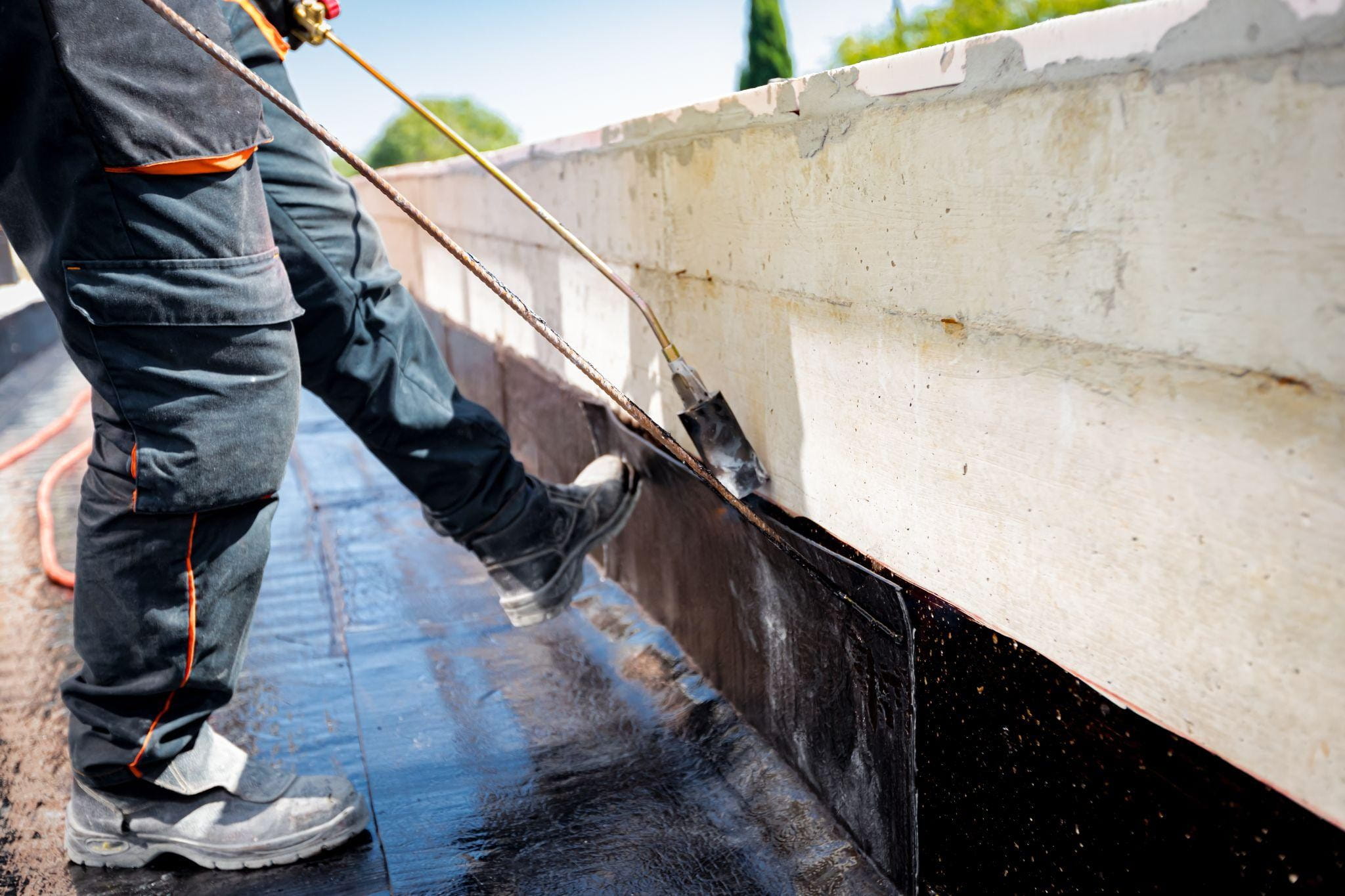

Tiles, grout and silicone are the first things that spring to mind for most when it comes to waterproofing. However, while they certainly contribute to controlling moisture, they are not technically the waterproofing membrane itself. The difference is key. Many assume that these visible elements are what prevent water from penetrating the structure, when actually they obscure the most critical layer of protection from view.
The age of the building is critical to determining the cause of a leak. A shower, bathroom or balcony constructed ten years ago will most certainly have a different waterproofing system than one that was built fifty years ago. Older properties have been found to use different materials and application methods which can affect both the probability of a leaking waterproof as well as what repair option would be most suitable.
The waterproofing membrane is simply the layer that is intended to prevent water from entering the building. Located under the tiles and other finish materials, the membrane creates a barrier that channels water away from susceptible materials and reduces the risk of moisture damage.
Many people think that tiled surfaces are waterproof. Although grout can withstand moisture penetration to a certain extent, it will absorb water, crack and break down over time. Movement in the building can also cause tiny spaces to form around joints and transitions. That’s why waterproofing systems have a membrane installed beneath the surface material.
While grout and caulking aren’t waterproof, maintaining grout joints and replacing worn-out sealants can limit the amount of water that makes it down to the membrane and may prolong the life of a waterproofing system. However, if you are troubleshooting a leak, keep in mind that the membrane is the item that’s really responsible for keeping water out.
A building’s age often suggests the kind of waterproofing that might be found within it. Australia’s waterproofing standards have changed throughout the years, becoming more advanced as professionals have learned more about moisture movement and defect pathology within buildings.
Newer builds are more likely to meet current expectations around waterproofing including having separate membranes installed in showers, bathrooms and other wet areas. Whereas an older property may have been built to a different set of rules and may have had waterproofing requirements that differed at the time of construction or renovation.
Of course, this is not to say that every older property will have waterproofing defects and every new property will be built perfectly. But having an understanding of when a property was built can help when assessing leakage issues, risk profiling and determining whether repair works, a maintenance program or full waterproofing may be needed.

For property owners of newer homes, leaks present a slightly different dialogue. Built to Australian building codes, all wet areas and other areas prone to moisture are required to have waterproofing systems installed. When discussing leaking in relation to newer properties, there is usually an expectation that the property has waterproofing installed correctly.
Of course defects can still happen from incorrect installation, inadequate workmanship or issues from building movement. But when discussing a leak on a newer property, the discussion usually starts with the assumption that there is an existing waterproofing system installed that meets Australian Standards.
AS 3740 is the Australian Standard detailing how to waterproof domestic wet areas. Wet areas include bathrooms, showers, laundries and toilets. AS 3740 dictates the placement of waterproofing membranes, the procedures for their application at junctions and penetrations, and the baseline protections for your home against dampness.
The intent of these requirements is to prevent water from escaping wet areas and penetrating into adjoining building materials. Most people won’t need to know the standard in-depth, however it is handy to know that every home built these days should have a waterproofing membrane installed underneath your tiled finish which is the first line of defence against water, not the grout lines or tiles.
Cracked, missing or deteriorating grout can sometimes occur very early in a property’s life. Grout will wear over time but if there is excessive grout failure within the first few years it could be a sign of an underlying workmanship issue.
Causes for grout giving out prematurely can include things like insufficient curing, faulty installation, the tiled area moving too much, or inadequate finishing at joints and transitions. Although grout isn’t responsible for waterproofing, failure early on could be a sign that other areas of the installation need to be reviewed.
For these reasons, premature grout failure should not always be written off as maintenance. Often it’s important to understand why the failure has occurred as well as repairing what we can see.
A benefit of finding waterproofing problems in a newer property is that you might still be able to have them fixed by the builder. All new homes should come with a defects liability period during which homeowners can report problems that arise after they take possession of the property.
If evidence of water ingress, compromised grout or waterproofing issues comes to light within this time frame, it’s usually best to record the problem ASAP. Take photos and make written notes and keep copies of any correspondence, as this can be used to demonstrate when the problem first occurred and what steps have been taken since.
Ideally, you will know exactly what caused the problem and be able to pinpoint its source. However it’s normally in your best interest to raise the issue as soon as possible anyway. Fixing potential waterproofing defects early means you’re less likely to be faced with a larger repair job down the track and allows problems to be investigated while they’re easily accessible.

When working on existing homes, waterproofing problems are treated differently than those found on new builds. Rather than jumping straight to finding construction flaws or defects in workmanship, existing buildings are treated with the assumption that waterproofing materials have deteriorated due to age. All building materials break down eventually, and even the highest-quality systems can fail after years of use.
That is why waterproofing existing buildings requires a bit of detective work. In order to determine the best repair solutions it is essential to not only know where water is entering, but to have an idea of the condition of the membrane, grout, sealants and adjacent building materials. The age of the building can also help to determine what could be occurring underneath.
Property age can be an issue because waterproofing requirements and building practices have changed throughout the years. There may not have been any membrane installed in properties built before waterproofing became commonplace and membranes may not have been installed to the same standard as they are today.
Even if a membrane was installed it could now be at or beyond its design life. Movement of the building over the years, moisture exposure and general degradation will impact its performance. This leads to older houses being more prone to undetected waterproofing faults that won’t show up until water has already begun to seep through.
When working on an existing property, the first step towards solving a waterproofing problem is understanding what you are dealing with in terms of the existing waterproofing system. There are clues that can be found by assessing visible symptoms along with other considerations like the age of the home, past renovations, history of repairs as well as the location of water ingress.
Cracked grout lines, failed silicone, loose tiles or even ongoing dampness are all indicators that can help point you in the right direction but may not be the root of the problem. Sometimes a cracked tile can be surface-level and only affect cosmetic materials. Other times, cracked tiles are symptoms of a problem within the actual waterproofing system. That is why it’s best to conduct an assessment that determines the cause of the water leak.
Replacement of grout is very useful in stopping leaks if the waterproofing membrane has not failed. Sometimes the culprit is old cracked grout or a lack of grout entirely. Often, regrouting keeps everything watertight by replacing failed sealants, which can fix the issue if moisture has not yet compromised the waterproofing system.
However, re-grouting won’t help if water has already seeped past the membrane or if the substrate is damaged and allowing water in. It also won’t help if your waterproofing system has failed. If you replace the grout and the leak continues, you likely have a waterproofing problem that needs to be addressed.
Again, it all comes down to whether this is a maintenance issue or a waterproofing issue.

Shower repairs and bathroom upgrades are perhaps the most common places that come to mind when we think about waterproofing. However, balconies require waterproofing solutions that differ greatly from those in wet areas within the home.
The environmental exposure and movement found with balconies is unmatched. Rain, ultraviolet sunlight, thermal movement and structural movement all take their toll on a waterproofing system and will continue to do so throughout its life. Property age can play a key role when determining how and why water may have penetrated a balcony.
Leaks found in newly constructed properties are commonly associated with either installation defects, drainage faults or an individual failed component within a new waterproofing system. Since the waterproofing membrane is expected to be relatively fresh, common culprits often involve installation quality, the specifics of detailing around openings and expansion gaps, or flaws that surfaced after construction.
Waterproofing membranes will naturally degrade along with any associated grout joints and sealants over an extended period of time exposed to the elements. Age becomes a significant factor for leaks within established properties. Leaks in older buildings don’t always stem from one obvious fault but can be attributed to old ageing systems throughout the balcony detailing. Even though your balcony waterproofing has functioned perfectly for say 20 years, eventually your system will reach an age where the likelihood of water ingress becomes more probable.
Lastly, many leaks found within older balconies can occur behind the tiled facade long before the usual signs of staining, cracking or water ingress are visible. Moisture can travel through deteriorating grout joints, defective sealants or ageing waterproofing membranes into the screed and substrate quietly lurking until the telltale signs of a leak become visible.
For these reasons, there is no cut-and-dry solution to rectifying a leaking balcony. Every scenario is different and the preferred solution can depend on factors such as property age, the anticipated condition of the waterproofing membrane, the extent of water ingress found and whether the defect is singular or part of an ageing problem. Keep the property’s age in mind when weighing up your options, and consider what will offer you the best outcome moving forward.
Understanding how waterproofing risk changes between new builds and established homes is often easier when you see it side by side.
The table below breaks down the key differences in how each property type behaves, fails and should be assessed:
| Factor | New Homes (Post-2004 Construction) | Established Homes (Older Properties) |
|---|---|---|
| Waterproofing Expectation | Must adhere to current requirements (AS 3740) and contain new membranes to wet areas. | Could be old, deteriorated or non-code-compliant depending on when the home was built. |
| Typical Causes of Leaks | Poor build quality, incorrect installation, premature movement or failure to detail correctly. | Natural deterioration over time, membrane deterioration, structural movement or long-term exposure to moisture. |
| Role of Grout | It’s just a surface finish, not a true waterproofing layer, so its failure might point to problems with the membrane’s installation. | Typically degraded and allows water to penetrate into the deteriorated underlay system. |
| Membrane Condition | It should ideally be new or still within the defects liability period; any issues found could point to the builder’s responsibility. | Likely at the end of its serviceability or a hidden concern. Will have slowly deteriorated over time. |
| Common Failure Type | A minor leak or two, possibly an initial defect, suggesting joints or penetrations weren’t sealed perfectly. | General water ingress, unseen saturation, old and has probably been getting worse for some time. |
| Best First Step | Formal defect assessment and utilising the defects liability period for rectification. | Assessment of condition to see if needs re-grouting, sealing or complete waterproofing refurbishment. |
| Risk of Doing Nothing | Typically, it can go from bad to worse. However often rectifiable if caught in time. | High risk of developing into structural issues, full strip out or complex waterproofing issues. |

Regardless of whether a property is new or established, correctly identifying the issue is critical when it comes to waterproofing defects. Surface-level signs of trouble, such as fractured grout, damp patches, or dripping ceilings, often look alike, but the actual source of the problem can be quite different, influenced by the property’s age, construction style, and the integrity of the waterproofing.
Correctly assessing a waterproofing defect should always begin with a thorough onsite inspection of the affected area and surrounding symptoms. For example, determining the entry point of water, the path of travel, and whether it’s the surface finishes suffering from moisture or underlying waterproofing failure. Minor leaks dripping through grout can sometimes point to a failing membrane or substrate, necessitating a repair approach far removed from simple tile regrouting.
That’s why our assessments at Strategic Regrouting always concentrate on what stage the issue is rather than what the defect looks like.
While examining showers, we check for issues like bad grout, deteriorating silicone, shifting tiles, and any dampness showing up on walls or floors. As for balconies, we look for drainage issues, membrane failures, joint cracks, and any water ingress into layers beneath the balcony’s surface. Every case is different but rather than selling a full replacement, we like to diagnose whether a strategic repair will solve the problem, or if the defect requires escalated repairs.
Lastly, we feel any good assessment should leave the owner or strata clearly understanding the likely cause and next steps to address the problem. Whether the defect is likely to be solved by preventative measures such as regrouting tiles, replacing silicone joints or polyurethane seal, or using an epoxy grout solution, or if there are signs of waterproofing failure that need to be escalated.
A straightforward approach to assessment is key. Nobody wants to spend money on unnecessary repairs but knowing the extent of the issue and potential solutions allows owners and strata committees to make decisions rather than panic and react to what they can see.
Got questions about waterproofing solutions in a new or old build? Read our frequently asked questions below.
Building regulations require new homes to contain a waterproofing membrane beneath all wet areas including shower areas, bathrooms and laundries. Modern new homes will always have this membrane installed as part of their construction. However, problems can still occur if there is faulty workmanship causing defects or movement in the home. That’s why shower leaks commonly occur in brand-new builds.
Anywhere between 10-20 years. The life expectancy of your shower membranes can vary depending on how well the waterproofing membrane was installed, what quality of materials were used and if maintained correctly. Premature failures can be caused by movement in the building, poor tiling practices or constant water entering through failed grout or sealant joints. The waterproof membrane does not suddenly give way, but reaches the end of its life span.
There are some circumstances where you can waterproof your shower without needing to do a full strip-out. However, if water is leaking through the grout or silicone joints, you may only need to redo the grout or replace the silicone. Waterproof membranes can often be hidden behind failed tiles, or if the substrate is wet you will need to replace the tiles. You will need to get an expert in to diagnose the problem before deciding whether you can avoid a full shower seal.
Regrouting your shower involves removing the old grout between your tiles and replacing it with new grout. Waterproofing is a whole membrane system that helps prevent water from getting in behind your tiles. When you regrout your shower, you are preventing water from seeping into cracks at the surface level. When you waterproof your shower you are installing a system that prevents water from getting in from the surface level.
If your problem is only on the surface level of your shower (e.g. the grout is cracked, missing or porous), but the membrane hasn’t failed then you should just get the grout replaced. When leaks are isolated and haven’t led to widespread water damage or structural issues, engaging Melbourne’s professional shower regrouting services could potentially bring your shower back to its pristine state.
Older homes in Australia, especially homes built pre-early 90’s may not have waterproofing around their shower areas. In some instances, waterproofing may be found around shower bases only.
If your home was built before waterproofing membranes were a common installation, it may be time to consider having your bathroom waterproofed. Keep in mind that although older homes may have waterproof membranes, they may have reached the end of their lives.
Provided you are within the home’s defects liability period, the builder is responsible for rectifying any leaks that are caused by either workmanship issues or not meeting the building standard. If you’re out of warranty, it can become a grey area of who’s responsible.
If the issue is due to poor installation, the waterproofing company would be liable. If the problem stems from neglect or normal aging, the homeowner might be held liable. Australian standards are the benchmark that waterproofing companies are required to follow for installations.
Dampness on walls and ceilings, loose tiles, hollow-sounding tiles or recurring leaks could all be signs that your waterproofing has failed. If moisture is able to penetrate into the spaces behind tiled walls, you may start to see signs of mould or the tiles may swell up and fall off. In severe cases, you may even see water bubbling through onto the floor below or into an adjoining room.
Waterproofing issues don’t typically begin as large problems. Leaks can develop over time if the cause is left undiagnosed. Ceiling stains, cracked grout or damp patches can all be symptoms of completely different problems. Something that appears as surface wear could be the beginning of membrane failure, and making the wrong assumption early on can be what turns a quick repair into an expensive reconstruction.
That is why an accurate diagnosis is so important. With the proper knowledge of the real cause, from day dot, repairs can be small and localised. When the cause is not found, repairs often occur that aren’t necessary. Repeat work is often done and DIY fails can cause more damage than was initially seen. Not only does this increase the disruption to your property, but it also increases the disruption to your bank balance.
Typically it’s a question of time and knowing for certain. The sooner something is properly diagnosed the more options you have available to you and the less likely you’ll need to undertake major waterproofing. Should you suspect a leak or be uncertain about the problem, don’t hesitate to contact us or do a quick inspection. There’s no harm in finding out what you’re up against sooner rather than later.
Need a professional diagnosis? Request a site inspection from Strategic Regrouting.