 1300 855 075
 Free Quote

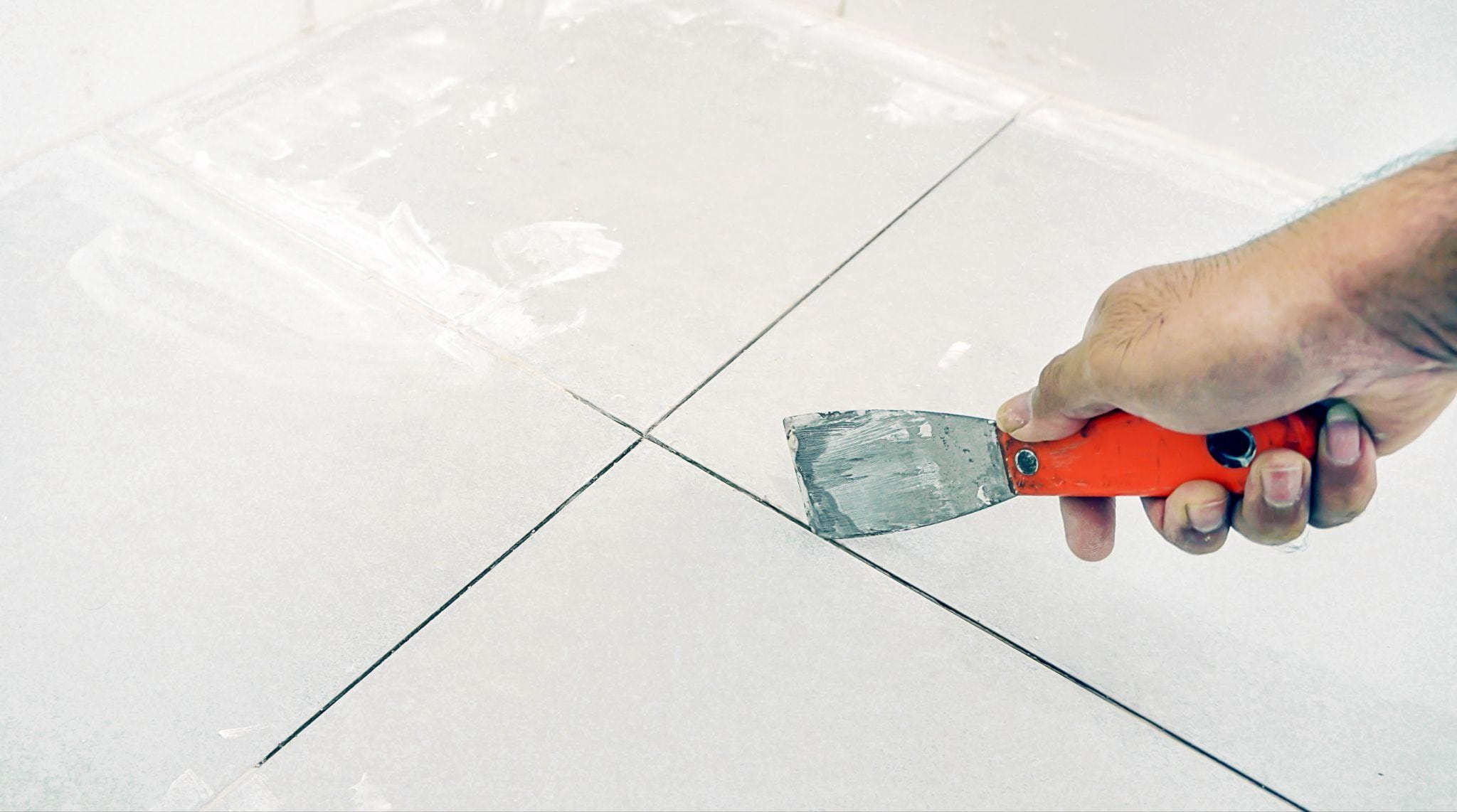

Cosmetic grout repairs are solely targeted at improving the appearance of grout, rather than restoring functionality such as strength and waterproofing performance. Cosmetic repairs include those that are surface-level only such as discolouration, light staining or faded grout lines. It can make tiled areas look cleaner and newer without removing old grout.
Cosmetic grade products should not be expected to rectify cracked, loose, or broken grout, nor problems with water penetration, tiled surfaces moving, or failing waterproofing systems beneath tiles.
If you can scratch the grout with your fingernail, the grout is starting to break away from the tile or substrate, the grout feels soft when you touch it or water is passing through the tiles and grout then a cosmetic repair will likely fail. Knowing the difference between making your grout look nice and making it strong and water-tight is step one.
Cosmetic grout repair products are sold in hardware stores everywhere, and most can be applied yourself. They include grout pens, which colour in worn or stained grout lines. Colour sealants which seal over the existing grout with a new, uniform colour coat. Grout paint which can be used to lighten or recolour existing grout. Surface cleaners and whitening products may also be effective in removing stains. Tile and grout touch-up products can cover chips and other imperfections.
Cosmetic products will not repair failed grout or underlying issues that caused failure. If water is penetrating under the tiles, or if your grout is already cracking or falling out, painting over the grout is only hiding the symptoms.
Cosmetic grout repairs are ideally suited to grout that has gone discoloured, stained or slightly faded over time but is still in a solid and usable condition. If the appearance of your grout can be refreshed, this may be all you need to improve your tiled area.
A cosmetic repair could be ideal if:
If your grout is cracked or loose, mould returns after cleaning or water seeps through your tiles, it’s likely that your problem is deeper than cosmetic. If any of these issues apply to you, professional structural regrouting is generally advised for a long-lasting solution.

Structural regrouting is when the defective grout is removed from a tiled surface and replaced with new grout which restores the structural integrity of the tiled surface. Cosmetic grouting typically refers to improving the appearance of the surface whereas structural regrouting means removing cracked or loose grout that no longer serves its function of protecting the joints.
Structural regrouting aims to bring the tiled surface back to performing as intended with properly sealed grout lines that prevent water from getting behind the tiles. Structural regrouting can also include removing and replacing deteriorated silicone seals, as well as pointing out any signs of waterproofing failure that need to be addressed.
A well-executed structural regrouting job helps ensure tiled surfaces last longer and prevents expensive damage from ongoing leakage.
Professional structural regrouting shouldn’t just involve grouting over the top of existing grout. In order for the new grout to adhere properly the failed grout should be removed first. Although each job will be slightly different depending on the surface being worked on and the condition of the existing grout.
The process will normally include:
Structural regrouting doesn’t just repair a leaking shower or improve the look of the tiled surface by removing the damaged material. It can also help to restore functionality.
Structural regrouting works on most tiled surfaces that have begun to break down over time. Whether it’s due to moisture, age or general wear and tear your tiled areas will at some point need maintenance to keep them looking their best. Resealing balcony tiles, showers, kitchens and bathrooms are just some examples of where regrouting can help.
Typically wet areas will be more prone to requiring structural help as grout is constantly exposed to water, detergents and heat. This can weaken the grout over time and diminish its purpose of protecting the tiled surface.
Showers can become weakened through years of water contact and are especially susceptible to damaged grout in established properties. As grout becomes cracked, loose or falls away, it may be time to look into structural shower regrouting. Floors and walls can also deteriorate over time in bathrooms. If you notice water damage or mould building up despite your best efforts to clean it, it could be due to damaged grout.
Laundry rooms are another common place grout can weaken over time due to water exposure. Grout around splashbacks or tiled floors are susceptible to breaking down from water. Kitchens are subject to everyday wear and tear from cooking, cleaning and general use. Splashbacks may begin to show signs of damage from water residue and cleaning agents.
Outdoor tiled areas can become damaged over time as tiles and grout age. Balconies and patios are constantly exposed to the elements. Rain, UV rays and summer heat can cause grout to crack allowing water to get behind tiles.
Every tiled surface will take on different conditions whether it’s simply cosmetic deterioration or no longer functioning as it should. An inspection will establish if structural regrouting is right for you and the longest solution.
Cosmetic repairs might seem like an easy and inexpensive fix to improve the appearance of your bathroom. However showers and wet areas are high-traffic spaces that are subjected to water, humidity, cleaning products and fluctuating temperatures daily. This means your grout needs to be able to perform as well as look the part.
If your grout is starting to fail, using a cosmetic product over the existing grout may cover up any visible signs of damage but does not resolve why your grout started failing in the first place. That’s why these kinds of DIY repairs will usually fail over time.
Cosmetic repairs don’t last because:
In order for a repair product to be successful it needs a clean surface to adhere to. Wet areas often have grout that is damp, full of soap scum, mould, cleaning chemicals or other residues. When grout is contaminated like this cosmetic products are unable to bond to the old grout.
You may be satisfied with the results from a grout pen, colour sealant or other surface treatment at first. But because it hasn’t bonded to the old grout properly, the cosmetic product can start to peel, fade or deteriorate when subjected to more moisture. The root of the problem still exists so the cosmetic repair will usually be temporary.
The professional team at Strategic Regrouting will first remove any damaged grout to ensure the new grout has a clean surface to bond to.
It might sound a bit self-evident, but these superficial fixes are, by definition, just that. They can’t fix cracked grout joints, movement between tiles or moisture which has already penetrated beneath the tiled surface.
If your grout starts to fail it could be the first sign of water penetrating through, seals breaking down or problems with the waterproofing system underneath. Slapping on a cosmetic product will not stop any of these things from getting worse.
Water will continue to migrate through any gaps and damaged areas until you identify the root of the problem. This can lead to bigger repairs in the long run, regrouting earlier in the process can help fix leaking surfaces without removing the tiles.
Cosmetic grout problems are usually the first sign that something might be amiss. Cracking, crumbling, discolouration and even recurring mould can all tell you a lot about what’s happening on and beneath your tiled surface.
Masking these symptoms with a tube of colourant may buy you some time before you realise there is something more serious going on. Whilst your grout may appear better on the surface, damage could still be occurring beneath out of sight.
Booking in for a professional assessment with our friendly team lets you know for sure if it’s a purely cosmetic issue or if your grout has failed to do its job protecting your tiled surface. Catching things early can save you unnecessary expense and more invasive repairs down the line.
Deciding if you require cosmetic grout repair or structural regrouting depends on identifying the root of the problem. Some damaged grout is merely a cosmetic concern.
Other times you will know that grout has failed its job of protecting your tiled surface. Regardless of how your grout looks, take the time to determine if it is working before deciding on a repair solution.
We’ve put together the table below to help you:
| Signs Your Grout Problem Is Cosmetic | Signs Your Grout Problem Is Structural |
|---|---|
| Grout is stained, faded or discoloured but still intact. | Grout is cracked, missing, loose or crumbling. |
| The grout feels firm and does not break away when touched. | Grout feels soft, powdery or is breaking away. |
| There are no signs of leaks, dampness or water damage. | Water is escaping, dampness is present or mould keeps returning. |
| You want to improve the appearance of your tiled area. | The grout is no longer protecting the surface from moisture. |
| The issue is limited to colour or surface appearance. | There are signs of damage beneath or around the tiled area, such as deteriorating seals or moisture damage. |
When your grout is simply discoloured or looking worn, cosmetic regrouting can be used to rejuvenate its appearance. When your grout is cracked or letting water through however, structural regrouting is typically the better long-term fix.
Before calling out one of our experts, you can perform some initial checks yourself. Run your finger along the grout lines and see if they feel hard or soft and crumbly. Take a closer look to see if there are any cracks, gaps, missing patches or areas where the grout is flaking off.
Consider if it’s just a cosmetic issue or if there are other signs of underlying damage. Discolouration may only need some cosmetic attention, however if you are experiencing persistent mould, leaks or crumbling grout there could be cause for further investigation.
Although these are quick checks you can do yourself, our team at Strategic Regrouting can carry out a professional inspection to diagnose the problem and advise on the correct solution.

Outdoor tiled surfaces are subjected to a different set of problems than those faced by wet areas found inside the home. Bathrooms will often come into contact with water regularly, but your tiled outdoor areas have to deal with rain, UV rays and temperature changes as the weather transitions from season to season.
As tiles and grout age, they can crack, break down or become less effective at shielding the substrate beneath your tiles. If moisture finds its way into any cracked grout lines, it can get trapped behind tiles, leading to loose tiles, water damage, leaking into other floors and substrate breakdown.
The problem with balcony tile problems is that they don’t always present themselves as quickly. You may not think much about small cracks or damaged grout lines on your balcony tiles, but the longer they’re exposed to the outdoor elements, the more chance moisture has to seep underneath your tiles and cause larger (and costlier) problems.
That’s why your balcony may need regrouting for reasons other than purely cosmetic. If any of your grout, seals or tiled surface is damaged, it may need to be repaired to ensure the longevity of your balcony tiles. Where water has already penetrated beneath the surface, combining regrouting with balcony waterproofing can provide a more durable, long-term solution.
At Strategic Regrouting, we can assess the condition of your balcony grout and recommend the best solution. Whether your grout is cracking, crumbling or showing signs of water damage, it’s best to have your balcony checked before small problems become major.
Cosmetic grout repair and structural regrouting are two very different methods, and while cosmetic products are by far the least expensive, they might not be the best deal for you in the long run. Cosmetic products are designed to help enhance the appearance of your tile while hiding minor imperfections but won’t repair damaged grout or stop moisture penetration.
Structural silicone, polyurethane seals and epoxy grout on the other hand, will typically cost more since more labour is involved with removing failed grout, properly prepping the substrate and applying new grout.
Cosmetic tile repairs are better suited for staining or discolouration issues while cracked grout, failing grout and penetrative moisture are usually better suited for professional re-grouting. Spending money now on structural repairs can save you money from having to re-do them down the road.
The price of having your grout repaired will differ depending on how large the surface area is, the condition of your existing grout and what kind of grout is required. If there are other repairs needed, your quote may be more expensive.
Cosmetic repairs are less expensive because they are surface-level improvements. Cleaning, recolouring and sealing existing grout only become options when your current grout is still in good condition.
Professional re-grouting will be pricier because of the labour it takes to remove the existing grout and restore your tiled surface. How large your area is, how easy it is to access the tiles, the extent to which your grout has deteriorated and whether or not you need silicone replacing can affect your quote.
Instead of picking a repair job based on the lowest price, take care to look at what long-term results you would like. Having one of our professionals come take a look can help you decide if a cosmetic repair will do or if you need full regrouting to fix the issue.
Regrouting will remedy leaks caused by cracked or failed grout. However, if the waterproofing has failed, then regrouting the shower won’t fix the problem. An inspection will determine if the grout, seals or shower waterproofing need to be repaired.
Regrouting is when your old, damaged grout is replaced with new grout. Resealing is when silicone seals around shower corners and joints are replaced with new seals. Sometimes both may be required to restore a shower or wet area correctly.
If your grout is cracked, missing or crumbling then you may need to regrout your shower. If you notice damp walls, water damage or continual leaks, then your shower may need waterproofing repair. An inspection will confirm what is causing the issue.
You should never regrout over existing grout. The damaged grout will need to be removed first so the new grout can adhere to the surfaces. Only then will the repair last.
Colour sealing can help hide stained or discoloured grout but will not fix cracked or deteriorating grout. Colour sealant is a cosmetic solution but won’t provide a waterproof repair to failing grout.
When done correctly and maintained well, regrouting can last a very long time. Many things affect how long the grout will last, such as the type of grout used, surface conditions and excess moisture.
Epoxy grout is generally better than cement when it comes to showering areas. This is because it is much more resistant to water, staining and household chemicals. Though the best grout for your situation will depend on what tiled area you require worked on.
Water stains on walls, ceilings or floors are common indicators. Damp patches, peeling paint, mould growth, musty odours or water damage outside of the shower area can also occur if your shower needs waterproofing repair.
Identifying if your shower requires cosmetic repair, structural regrouting or full waterproofing can be difficult. Cracked grout, persistent mould, leaks or damaged seals can all occur for a variety of reasons. Applying the wrong solution will ultimately waste your time and money as the issue will continue to arise.
Our team at Strategic Regrouting will analyse your tiled areas to diagnose what is causing the issue and provide you with the best solution. If your grout simply needs refreshing or complete replacement, our team can help you restore your shower to its original state and prevent further damage from occurring.
Contact Strategic Regrouting today to arrange an assessment and find the right solution for your bathroom.